

How to reduce EMI in a data center busway?
Oct 08, 2025
Leave a message
Hey there! As a supplier of Data Center Busway, I've seen firsthand how important it is to keep electromagnetic interference (EMI) in check. EMI can mess with the performance of your data center equipment, leading to all sorts of headaches like data loss, system malfunctions, and even hardware damage. In this blog post, I'm gonna share some tips on how to reduce EMI in a data center busway.
Understanding EMI in Data Center Busways
Before we dive into the solutions, let's quickly go over what EMI is and how it can affect your data center. EMI is basically the disturbance that affects an electrical circuit due to either electromagnetic induction or electromagnetic radiation emitted from an external source. In a data center busway, EMI can come from a variety of sources, such as power electronics, motors, and even other nearby electrical systems.


When EMI gets into your busway, it can cause noise in your electrical signals. This noise can interfere with the data transmission between different components in your data center, leading to errors and reduced performance. So, it's crucial to take steps to minimize EMI and keep your data center running smoothly.
Shielding the Busway
One of the most effective ways to reduce EMI is by using shielding. Shielding involves enclosing the busway in a conductive material that can block or absorb the electromagnetic waves. There are different types of shielding materials available, such as copper, aluminum, and steel.
Copper is a popular choice for shielding because it has excellent conductivity and can effectively block EMI. Aluminum is also a good option as it's lightweight and corrosion-resistant. Steel is another alternative, especially for applications where high strength is required.
When installing the shielding, make sure it's properly grounded. Grounding helps to direct the EMI to the ground, preventing it from interfering with the electrical signals in the busway. You can use grounding straps or cables to connect the shielding to the ground.
Proper Cable Management
Another important factor in reducing EMI is proper cable management. When cables are bundled together or routed in a disorganized way, they can create electromagnetic fields that interfere with each other. This can lead to increased EMI in the busway.
To avoid this, make sure to separate power cables from data cables. Power cables carry high-voltage electrical signals that can generate strong electromagnetic fields, while data cables carry low-voltage signals that are more susceptible to interference. By keeping them apart, you can reduce the chances of EMI affecting the data cables.
Also, try to keep the cables as short as possible. Longer cables can act as antennas, picking up and radiating EMI. If you need to use long cables, consider using shielded cables to reduce the EMI.
Using Filtering Devices
Filtering devices can also be used to reduce EMI in the busway. These devices work by removing the unwanted frequencies from the electrical signals. There are different types of filtering devices available, such as EMI filters, inductors, and capacitors.
EMI filters are specifically designed to block or attenuate EMI. They can be installed at the input or output of the busway to prevent EMI from entering or leaving the system. Inductors and capacitors can also be used to filter out specific frequencies.
When choosing a filtering device, make sure to select one that is suitable for your specific application. Consider factors such as the frequency range of the EMI, the current rating of the busway, and the level of attenuation required.
Selecting the Right Busway Components
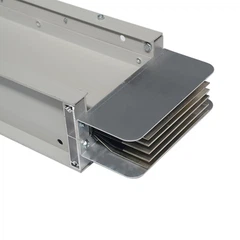
The components you choose for your busway can also have an impact on EMI. For example, using high-quality Air-Insulated Busbar can help to reduce EMI. Air-insulated busbars are designed to provide a low-impedance path for the electrical current, which can minimize the generation of electromagnetic fields.
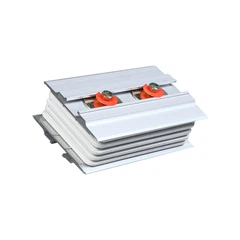
Similarly, using Air-Insulated Busway Tap Off Unit and Air-Insulated Bus Duct Feeder Unit that are designed to reduce EMI can also make a difference. These units are often equipped with shielding and filtering features to minimize the impact of EMI.
Regular Maintenance and Testing
Finally, regular maintenance and testing are essential to ensure that your busway is free from EMI. Over time, the shielding and other components of the busway can degrade, which can increase the risk of EMI.
Make sure to inspect the busway regularly for any signs of damage or wear. Check the shielding for any holes or gaps, and make sure the grounding is still intact. You can also use EMI testing equipment to measure the level of EMI in the busway and identify any potential problems.
If you find any issues, make sure to address them promptly. Replace any damaged components and repair any grounding problems to keep the EMI under control.
Conclusion
Reducing EMI in a data center busway is crucial for maintaining the performance and reliability of your data center. By using shielding, proper cable management, filtering devices, and selecting the right busway components, you can minimize the impact of EMI and keep your data center running smoothly.
If you're looking for high-quality data center busway solutions to help you reduce EMI, we're here to help. We offer a wide range of products, including Air-Insulated Busbar, Air-Insulated Busway Tap Off Unit, and Air-Insulated Bus Duct Feeder Unit. Our team of experts can work with you to find the best solution for your specific needs.
If you're interested in learning more or discussing your requirements, feel free to reach out to us. We'd love to have a chat and help you make your data center more efficient and reliable.
References
- "Electromagnetic Compatibility Engineering" by Henry W. Ott
- "Data Center Power Distribution" by various industry experts
Send Inquiry