

What is the maximum temperature that Aluminum Bus Duct can withstand?
Oct 08, 2025
Leave a message
Hey there! As a supplier of Aluminum Bus Duct, I often get asked about the maximum temperature these things can withstand. It's a crucial question, especially when you're dealing with electrical systems where overheating can lead to all sorts of problems. So, let's dive right in and explore this topic.
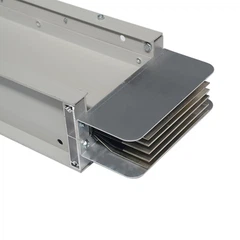
First off, let's understand what Aluminum Bus Duct is. Aluminum Bus Duct is a type of electrical distribution system that uses aluminum conductors to carry electrical current. It's a popular choice in many industrial and commercial applications because of its high conductivity, lightweight, and cost - effectiveness. You can find more detailed information about it on our website: Aluminum Bus Duct.
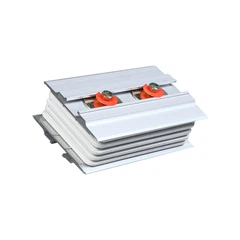
The maximum temperature that Aluminum Bus Duct can withstand depends on several factors. One of the most important factors is the type of insulation used. In a Sandwich Bus Duct Insulation, different insulation materials have different temperature ratings. For example, some common insulation materials like PVC (Polyvinyl Chloride) have a relatively lower temperature rating compared to materials like silicone rubber.
PVC insulation typically has a maximum continuous operating temperature of around 70 - 80 degrees Celsius. This means that if the temperature inside the Aluminum Bus Duct exceeds this limit for an extended period, the PVC insulation can start to degrade. When insulation degrades, it loses its electrical insulating properties, which can lead to short - circuits, electrical failures, and even pose a fire hazard.
On the other hand, silicone rubber insulation can withstand much higher temperatures. It can typically handle continuous operating temperatures of up to 180 degrees Celsius or even higher in some cases. This makes it a great choice for applications where the Aluminum Bus Duct might be exposed to high - heat environments, such as in industrial furnaces or power generation plants.
Another factor that affects the maximum temperature is the current flowing through the High Current Busbar inside the Aluminum Bus Duct. According to Joule's law, the heat generated in a conductor is proportional to the square of the current flowing through it and the resistance of the conductor. So, if you have a high - current application, more heat will be generated inside the bus duct.


Let's say you have a situation where you're using an Aluminum Bus Duct to carry a large amount of electrical current. The resistance of the aluminum conductors will cause them to heat up. If the current is too high, the temperature can quickly rise above the safe limit of the insulation material. To prevent this, it's important to properly size the bus duct based on the expected current load.
The ambient temperature also plays a significant role. If the Aluminum Bus Duct is installed in an area with a high ambient temperature, say in a hot factory or a desert environment, the starting point for the temperature inside the bus duct is already high. This means that the bus duct has less "headroom" before it reaches the maximum temperature limit.
For instance, if the ambient temperature is 40 degrees Celsius and the insulation has a maximum rating of 70 degrees Celsius, the bus duct can only tolerate a temperature rise of 30 degrees Celsius due to the current flow. But if the ambient temperature is 60 degrees Celsius, the allowable temperature rise is only 10 degrees Celsius, which means you need to be much more careful with the current load.
The design and construction of the Aluminum Bus Duct also impact its temperature - handling capabilities. A well - designed bus duct will have good ventilation. Ventilation helps to dissipate the heat generated inside the bus duct. Some bus ducts are designed with fins or other heat - dissipating structures on the outer surface to increase the surface area for better heat transfer.
In addition, the way the conductors are arranged inside the bus duct can affect heat distribution. If the conductors are tightly packed, heat transfer can be restricted, leading to hot spots. On the other hand, a more open and well - spaced arrangement allows for better air circulation and more even heat distribution.
Now, let's talk about testing and standards. There are industry standards that define the maximum temperature ratings for Aluminum Bus Ducts. These standards ensure that the products are safe and reliable for use in various applications. Manufacturers usually conduct tests to verify that their bus ducts meet these standards.
For example, a common test is to measure the temperature rise of the bus duct under a specific current load for a certain period. The bus duct is considered to pass the test if the temperature inside does not exceed the specified limit. These tests are important because they give customers confidence in the performance of the product.
So, to sum it up, the maximum temperature that Aluminum Bus Duct can withstand varies widely depending on the insulation material, current load, ambient temperature, and design. In general, for bus ducts with PVC insulation, the maximum continuous operating temperature is around 70 - 80 degrees Celsius, while those with silicone rubber insulation can handle up to 180 degrees Celsius or more.
If you're in the market for Aluminum Bus Duct and need to ensure that it can handle the temperature requirements of your specific application, don't hesitate to reach out to us. We have a team of experts who can help you select the right bus duct based on your needs. Whether you're dealing with a high - current, high - heat application or a more standard electrical distribution project, we've got you covered.
References:
- Electrical Engineering Handbook, various editions
- Industry standards for electrical bus ducts
Send Inquiry