

How to ensure the load - bearing capacity of Cast Resin Busduct?
May 27, 2026
Leave a message
As a supplier of Cast Resin Busduct, I've seen firsthand how crucial it is to ensure the load-bearing capacity of these products. In this blog, I'll share some practical tips and insights on how to make sure your Cast Resin Busduct can handle the electrical load it's designed for.
Understanding the Basics of Cast Resin Busduct
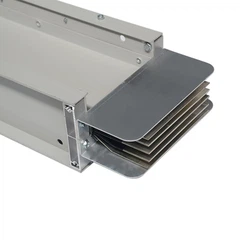
Before we dive into the details of load-bearing capacity, let's quickly go over what Cast Resin Busduct is. It's a type of electrical distribution system that uses epoxy resin to encapsulate conductors. This design offers several advantages, including high mechanical strength, excellent insulation properties, and resistance to environmental factors.
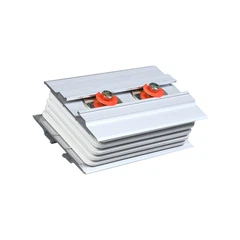
We offer a variety of Cast Resin Busduct products, such as Modular Plug-in Cast Resin Busduct, Outdoor Bus Duct, and 3-Phase Cast Resin Busduct. Each type is designed to meet specific application requirements, but they all need to have sufficient load-bearing capacity.
Factors Affecting Load-Bearing Capacity
There are several factors that can impact the load-bearing capacity of Cast Resin Busduct. Let's take a look at some of the most important ones:
Conductor Size and Material
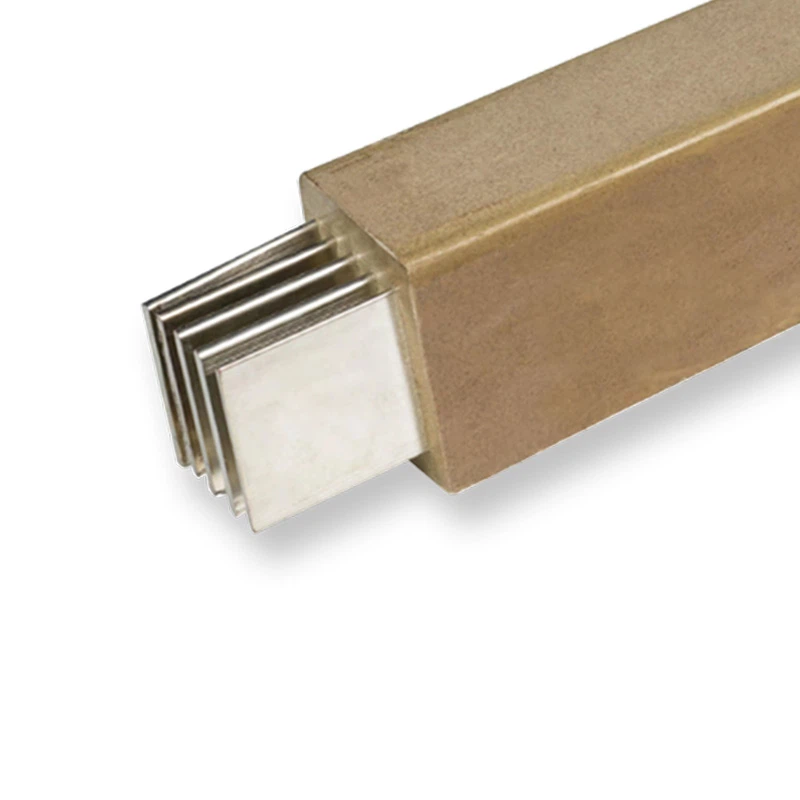
The size and material of the conductors used in the busduct play a significant role in determining its load-bearing capacity. Larger conductors can carry more current, which means they can handle higher electrical loads. Copper and aluminum are the most commonly used conductor materials. Copper has better electrical conductivity than aluminum, but aluminum is lighter and more cost-effective. When choosing the conductor material and size, you need to consider the specific electrical requirements of your application.

Epoxy Resin Quality
The quality of the epoxy resin used to encapsulate the conductors is also crucial. High-quality epoxy resin provides better insulation and mechanical support, which helps to increase the load-bearing capacity of the busduct. It should have good thermal stability, chemical resistance, and adhesion properties. Make sure to choose a busduct that uses high-quality epoxy resin to ensure its long-term performance.
Installation Conditions
Proper installation is essential for ensuring the load-bearing capacity of Cast Resin Busduct. The busduct should be installed in a clean, dry, and well-ventilated environment. It needs to be securely mounted and supported to prevent any movement or vibration. Incorrect installation can lead to stress on the conductors and the epoxy resin, which can reduce the load-bearing capacity of the busduct.
Environmental Factors
Environmental factors such as temperature, humidity, and dust can also affect the load-bearing capacity of Cast Resin Busduct. High temperatures can cause the conductors to expand, which can increase the stress on the epoxy resin. Humidity and dust can reduce the insulation properties of the busduct, which can lead to electrical failures. Make sure to choose a busduct that is designed to withstand the environmental conditions of your application.
Testing and Certification
To ensure the load-bearing capacity of Cast Resin Busduct, it's important to have it tested and certified by a qualified laboratory. The testing process typically includes electrical performance tests, mechanical tests, and environmental tests. These tests are designed to simulate real-world conditions and ensure that the busduct can meet the specified requirements.
Look for busduct products that have been certified by recognized standards organizations such as UL, IEC, or GB. These certifications provide assurance that the busduct has been tested and meets the relevant safety and performance standards.
Maintenance and Inspection
Regular maintenance and inspection are also important for ensuring the load-bearing capacity of Cast Resin Busduct. Over time, the busduct may be exposed to various stresses and environmental factors, which can cause wear and tear. By performing regular maintenance and inspections, you can identify any potential issues early and take corrective actions to prevent failures.
Some of the maintenance tasks that you should perform include cleaning the busduct, checking the connections, and inspecting the epoxy resin for any signs of damage. You should also monitor the electrical performance of the busduct to ensure that it is operating within the specified limits.
Conclusion
Ensuring the load-bearing capacity of Cast Resin Busduct is crucial for the safe and reliable operation of electrical distribution systems. By understanding the factors that affect load-bearing capacity, choosing high-quality products, having them tested and certified, and performing regular maintenance and inspections, you can minimize the risk of electrical failures and ensure the long-term performance of your busduct.
If you're in the market for Cast Resin Busduct and need to ensure its load-bearing capacity, we're here to help. We have a wide range of high-quality products and a team of experts who can provide you with the technical support and guidance you need. Contact us today to start a discussion about your specific requirements and how we can meet them.
References
- Electrical Engineering Handbook, Third Edition.
- Standards and Guidelines for Electrical Distribution Systems.
Send Inquiry