

How to transport a fire - resistant busway safely?
Nov 26, 2026
Leave a message
Hey there! As a supplier of fire - resistant busways, I've seen firsthand how important it is to transport these crucial electrical components safely. Fire - resistant busways are used in a variety of settings, from commercial buildings to industrial facilities, and ensuring their safe transport is key to maintaining their functionality and integrity.
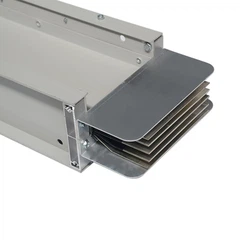
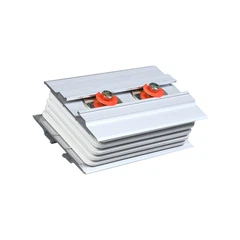
First off, let's talk about the types of fire - resistant busways we offer. We've got the Metal Enclosed Busway, which provides a high level of protection with its metal enclosure. It's great for environments where durability and protection from external elements are a must. Then there's the Fireproof Bus Duct, designed to withstand high temperatures and prevent the spread of fire. And our Red - shell Fire - resistant Busway is not only fire - resistant but also has a unique red shell that makes it easy to identify.
Pre - transport Preparation
Before we even think about moving these busways, we need to do some serious prep work. First, we carefully inspect each busway unit. We check for any signs of damage, like dents, scratches, or loose connections. If we find any issues, we fix them right away. This is super important because even a small problem can turn into a big headache during transport.
Next, we measure the dimensions of the busways. This helps us figure out the best way to pack them. We want to make sure they fit snugly in the shipping container without being too cramped. Overcrowding can lead to damage, so we take our time to get the packing just right.
We also gather all the necessary documentation. This includes things like product specifications, safety certificates, and shipping labels. Having all this info in order makes the transport process smoother and helps avoid any delays at customs or other checkpoints.
Packaging
Packaging is a big deal when it comes to transporting fire - resistant busways. We use high - quality materials to protect the busways from bumps, vibrations, and moisture. For starters, we wrap each busway in a layer of foam padding. This acts as a shock absorber and helps prevent damage during transit.
Then, we place the wrapped busways in custom - made wooden crates. These crates are designed to fit the specific dimensions of the busways and provide an extra layer of protection. We secure the busways inside the crates using straps and braces to keep them in place.
We also add desiccant packs to the crates to absorb any moisture. Moisture can cause corrosion and other problems, so keeping the busways dry is essential.
Loading and Unloading
When it's time to load the busways onto the transport vehicle, we take extra care. We use proper lifting equipment, like forklifts or cranes, to ensure that the busways are lifted and moved safely. We make sure that the lifting points on the busways are properly attached to the equipment to prevent any accidents.
During loading, we stack the crates in a stable manner. We follow a specific pattern to make sure that the weight is evenly distributed and that the crates won't shift during transport. This is especially important if the busways are being transported over long distances or on rough roads.
Unloading is just as important as loading. We use the same careful procedures to remove the busways from the transport vehicle. We make sure that the area where the busways will be unloaded is clear and safe. We also check the busways again for any signs of damage that may have occurred during transport.
Transportation Mode
The choice of transportation mode depends on several factors, such as the distance, the quantity of busways, and the urgency of the delivery. For short distances, we might use a local trucking service. Trucks are a convenient option because they can deliver the busways directly to the destination.
For longer distances, we might consider using rail or sea transport. Rail transport is a cost - effective option for large quantities of busways, and it's also relatively stable. Sea transport is a good choice for international shipments, but it takes longer.
No matter which mode of transport we choose, we make sure that the transport company has experience in handling electrical equipment. We also track the shipment to keep an eye on its progress and make sure it arrives on time.
Safety Precautions
Throughout the entire transport process, safety is our top priority. We train our staff on proper handling procedures to minimize the risk of accidents. We also make sure that all the transport vehicles are in good condition and equipped with the necessary safety features.
During transport, we monitor the temperature and humidity levels inside the shipping container. Extreme temperatures and high humidity can damage the busways, so we take steps to maintain the right environment.


We also have contingency plans in case of unexpected events, like bad weather or traffic accidents. These plans help us respond quickly and minimize the impact on the busways.
Conclusion
Transporting fire - resistant busways safely is a complex process that requires careful planning and attention to detail. From pre - transport preparation to final delivery, every step is crucial. As a supplier, we're committed to ensuring that our busways reach our customers in perfect condition.
If you're in the market for fire - resistant busways and want to learn more about our products or discuss your specific needs, don't hesitate to reach out. We're here to help you find the right solution for your electrical distribution system.
References
- Industry standards for electrical equipment transportation
- Manufacturer's guidelines for fire - resistant busway handling and transport
Send Inquiry