

How to determine the appropriate installation height of outdoor bus duct?
Aug 22, 2025
Leave a message
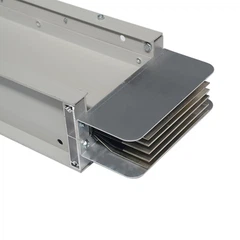
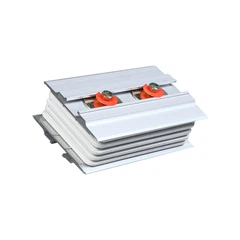
Determining the appropriate installation height of outdoor bus ducts is a critical task that requires careful consideration of various factors. As a supplier of Outdoor Bus Duct, I understand the importance of getting this right to ensure the safety, efficiency, and longevity of the electrical system. In this blog post, I will share some key considerations and guidelines to help you determine the optimal installation height for outdoor bus ducts.
1. Safety Regulations and Codes
The first and most important factor to consider is compliance with local safety regulations and electrical codes. These regulations are in place to protect people and property from electrical hazards, and they often specify minimum installation heights for outdoor bus ducts. For example, the National Electrical Code (NEC) in the United States has specific requirements regarding the clearance of electrical equipment from the ground, buildings, and other objects.
It's essential to consult with local authorities or a qualified electrical engineer to ensure that your installation meets all relevant codes and regulations. Failure to comply with these requirements can result in fines, legal issues, and, most importantly, pose a significant safety risk.
2. Protection from Physical Damage
Outdoor bus ducts are exposed to a variety of environmental conditions and potential physical hazards. The installation height should be chosen to minimize the risk of damage from vehicles, equipment, and human activity. For example, if the bus duct is installed in an area with vehicle traffic, it should be placed at a height that is out of reach of moving vehicles to prevent collisions.
Similarly, in areas where there is a risk of vandalism or accidental damage, a higher installation height can provide an additional layer of protection. However, it's important to balance this with accessibility for maintenance and inspection purposes.
3. Environmental Factors
The environment in which the outdoor bus duct is installed can have a significant impact on its performance and lifespan. Factors such as weather conditions, temperature, humidity, and exposure to sunlight should be taken into account when determining the installation height.
- Weather Conditions: In areas prone to heavy rain, snow, or flooding, the bus duct should be installed at a height that is above the expected water level to prevent water ingress. This can help to avoid electrical short circuits and corrosion.
- Temperature and Humidity: High temperatures can cause the bus duct to expand, while low temperatures can lead to contraction. Extreme humidity can also promote the growth of mold and corrosion. Installing the bus duct at an appropriate height can help to ensure proper ventilation and reduce the impact of these environmental factors.
- Sunlight Exposure: Prolonged exposure to sunlight can cause the insulation of the bus duct to degrade over time. A higher installation height can provide some shade and reduce the direct exposure to sunlight, thereby extending the lifespan of the bus duct.
4. Maintenance and Accessibility
Regular maintenance and inspection are essential for ensuring the safe and efficient operation of outdoor bus ducts. The installation height should allow for easy access to the bus duct for maintenance personnel. This includes the ability to perform tasks such as cleaning, testing, and replacing components.
However, it's important to note that accessibility should not compromise safety. Maintenance personnel should be able to reach the bus duct safely using appropriate equipment such as ladders or platforms. In some cases, it may be necessary to install a permanent access structure to facilitate maintenance and inspection.
5. Electrical Performance
The installation height can also affect the electrical performance of the outdoor bus duct. For example, a higher installation height can reduce the interference from ground-level electromagnetic fields, which can improve the overall power quality.

Additionally, the height can impact the ventilation and cooling of the bus duct. Proper ventilation is crucial for dissipating heat generated during operation, and a well-ventilated bus duct can operate more efficiently and have a longer lifespan.
6. Compatibility with Other Equipment
The outdoor bus duct is often part of a larger electrical system that includes other components such as transformers, switchgear, and control panels. The installation height should be coordinated with the layout and requirements of these other components to ensure seamless integration and optimal performance.
For example, if the bus duct is connected to a transformer, the height should be chosen to allow for easy connection and proper alignment. Similarly, if the bus duct is part of a multi-level electrical distribution system, the installation height should be consistent with the overall system design.
7. Future Expansion and Modifications
When determining the installation height of the outdoor bus duct, it's important to consider future expansion and modifications to the electrical system. The chosen height should allow for easy addition or removal of bus duct sections without significant disruption to the existing installation.
This may require leaving some extra space or providing for future access points at the installation height. By planning ahead, you can save time and money in the long run and ensure that your electrical system can adapt to changing needs.
8. Consideration of Cast Resin Busduct and 3-Phase Cast Resin Busduct
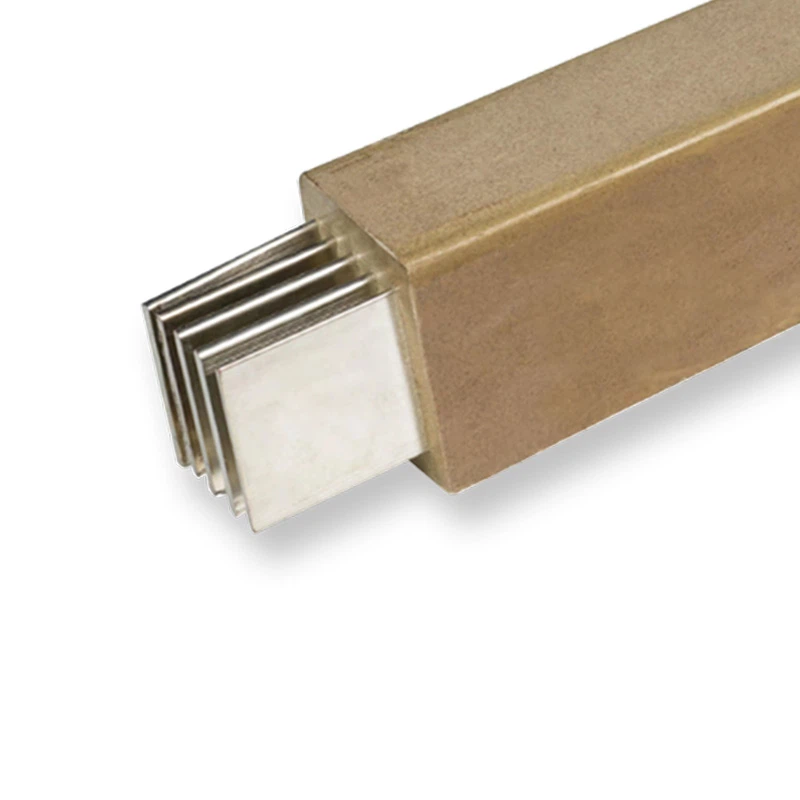
If you are using Cast Resin Busduct or 3-Phase Cast Resin Busduct, there are some additional considerations. These types of bus ducts are known for their excellent electrical performance and durability, but they also have specific installation requirements.
- Thermal Management: Cast resin bus ducts generate heat during operation, and proper thermal management is crucial. The installation height should allow for adequate air circulation to dissipate heat effectively.
- Resin Integrity: The resin used in these bus ducts can be affected by environmental factors. A higher installation height can help to protect the resin from moisture and other contaminants that could compromise its integrity.
Conclusion
Determining the appropriate installation height of outdoor bus ducts is a complex process that requires careful consideration of multiple factors. By taking into account safety regulations, protection from physical damage, environmental factors, maintenance and accessibility, electrical performance, compatibility with other equipment, and future expansion, you can ensure a successful installation that meets your specific needs.
As a supplier of Outdoor Bus Duct, we are committed to providing high-quality products and expert advice to help you make the right decisions. If you have any questions or need assistance with your outdoor bus duct installation, please don't hesitate to contact us. We look forward to discussing your project and helping you find the best solution for your electrical distribution needs.
References
- National Electrical Code (NEC)
- Local Electrical Safety Regulations
- Manufacturer's Installation Guidelines for Outdoor Bus Ducts
Send Inquiry