

What is the replacement cycle of outdoor bus duct?
Aug 22, 2025
Leave a message
The replacement cycle of outdoor bus ducts is a crucial consideration for both end - users and suppliers like us. In this blog, we'll delve into the factors that influence the replacement cycle of outdoor bus ducts, and how understanding these can help in making informed decisions for your electrical infrastructure.


Factors Affecting the Replacement Cycle
Environmental Conditions
Outdoor bus ducts are constantly exposed to a variety of environmental elements. Extreme temperatures, whether scorching heat or freezing cold, can have a significant impact on the performance and lifespan of bus ducts. High temperatures can cause the insulation materials to degrade more rapidly, leading to a loss of electrical insulation properties. On the other hand, freezing temperatures can make the materials brittle, increasing the risk of cracks and damage.
Humidity is another major factor. Moisture can seep into the bus duct, causing corrosion of the conductors and insulation breakdown. Areas with high humidity levels, such as coastal regions, are particularly challenging for outdoor bus ducts. Saltwater in coastal areas can accelerate corrosion, further shortening the lifespan of the bus duct.
UV radiation from the sun can also degrade the outer protective layers of the bus duct. Over time, the UV rays can cause the surface to become brittle and crack, exposing the internal components to the elements.
Electrical Load and Usage
The electrical load that the bus duct is designed to carry plays a vital role in determining its replacement cycle. If the bus duct is consistently operating at or near its maximum capacity, it will experience more stress and wear. Overloading can lead to overheating, which in turn can damage the insulation and conductors.
Frequent start - stop cycles or sudden changes in the electrical load can also cause mechanical stress on the bus duct components. For example, in industrial settings where large machinery is frequently turned on and off, the bus duct may experience more wear and tear compared to a more stable electrical environment.
Quality of Installation and Maintenance
Proper installation is essential for the long - term performance of outdoor bus ducts. If the installation is not carried out according to the manufacturer's specifications, it can lead to problems such as poor connections, misalignment, and inadequate support. These issues can cause overheating, arcing, and premature failure of the bus duct.
Regular maintenance is equally important. Inspections should be carried out to check for signs of wear, corrosion, and loose connections. Cleaning the bus duct to remove dirt, dust, and debris can prevent the buildup of contaminants that can cause electrical problems. Maintenance also includes tightening connections, replacing worn - out components, and testing the electrical performance of the bus duct.
Typical Replacement Cycles
Based on industry experience and research, the replacement cycle of outdoor bus ducts can vary widely depending on the above factors. In general, for well - maintained bus ducts in a relatively mild environment with a stable electrical load, the replacement cycle can be around 20 - 30 years.
However, in harsh environments such as industrial areas with high levels of pollution, coastal regions with saltwater exposure, or areas with extreme temperature variations, the replacement cycle may be reduced to 10 - 15 years. If the bus duct is frequently overloaded or experiences a lot of mechanical stress due to load variations, the lifespan may be even shorter.
Our Product Offerings and Their Durability
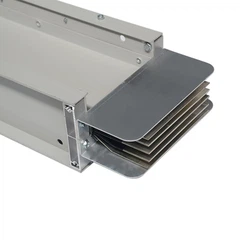
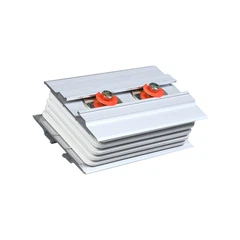
As an outdoor bus duct supplier, we offer a range of high - quality products designed to withstand the toughest environmental conditions. Our Modular Plug - in Cast Resin Busduct is a great example. The cast resin construction provides excellent protection against moisture, corrosion, and UV radiation. It is also designed to handle high electrical loads with minimal heat generation, reducing the risk of insulation degradation.
Our 3 - Phase Cast Resin Busduct is another reliable option. It is engineered for efficient power distribution in three - phase electrical systems. The resin - encapsulated design ensures long - term durability, even in harsh outdoor environments.
For applications where the bus duct needs to be installed underground, our Underground Bus Duct is specifically designed to resist moisture, soil chemicals, and mechanical damage. The robust construction and advanced insulation materials ensure a long service life.
Importance of Timely Replacement
Replacing the outdoor bus duct at the appropriate time is crucial for several reasons. Firstly, it ensures the safety of the electrical system. A worn - out bus duct can pose a significant fire and electrical shock hazard. Overheating, arcing, and short - circuits can occur, which can lead to property damage and endanger the lives of personnel.
Secondly, timely replacement can improve the efficiency of the electrical system. A new bus duct will have lower resistance, which means less energy is wasted as heat. This can result in cost savings on electricity bills over the long term.
Finally, replacing the bus duct on time can prevent unexpected breakdowns and downtime. In industrial settings, unplanned downtime can be extremely costly, resulting in lost production and revenue.
How to Determine the Right Time for Replacement
To determine the right time for replacement, a comprehensive assessment of the bus duct should be carried out. This includes visual inspections to check for signs of physical damage such as cracks, corrosion, and loose connections. Electrical testing can be used to measure the insulation resistance, temperature rise, and other performance parameters.
Historical data on the electrical load, environmental conditions, and maintenance records can also provide valuable insights. If the bus duct has been operating in a harsh environment or has experienced frequent overloading, it may be necessary to consider replacement earlier than the typical cycle.
Contact Us for Your Bus Duct Needs
If you are in the market for outdoor bus ducts or need advice on the replacement cycle for your existing system, we are here to help. Our team of experts can provide you with detailed information about our products, installation services, and maintenance recommendations. We understand the importance of reliable electrical infrastructure and are committed to providing you with the best solutions for your needs. Whether you are a small business or a large industrial facility, we have the expertise and products to meet your requirements. Contact us today to start a discussion about your bus duct needs and explore how we can help you ensure the long - term performance and safety of your electrical system.
References
- Electrical Power Distribution Handbook, McGraw - Hill
- National Electrical Code (NEC)
- IEEE Standards for Electrical Equipment
Send Inquiry