

How to choose the right busway connector?
Jan 15, 2026
Leave a message
Choosing the right busway connector is a crucial decision for anyone involved in electrical systems. As a busway connector supplier, I've seen firsthand how the wrong choice can lead to all sorts of problems. In this blog, I'll share some tips on how to pick the perfect busway connector for your needs.
Understanding Your Requirements
First things first, you need to understand the specific requirements of your electrical system. This includes factors like the voltage, current capacity, and environmental conditions. For example, if you're working in a high - voltage environment, you'll need a connector that can handle that voltage without breaking down.
Voltage is a key consideration. You don't want to use a connector rated for 480V in a 600V system. It's like wearing shoes that are too small; it just won't work well and could lead to serious issues. Check the voltage rating of the connector and make sure it matches or exceeds the voltage of your system.
Current capacity is another important factor. If your system has a high current demand, you need a connector that can carry that current without overheating. Overheating can cause the connector to fail, which can lead to power outages or even fires. Look at the ampacity rating of the connector. This tells you how many amps it can safely carry.
The environment where the connector will be used is also crucial. If it's going to be in a wet or corrosive area, you'll need a connector that's made from materials that can withstand those conditions. Stainless steel or coated connectors might be a good choice in these situations.
Types of Busway Connectors
There are different types of busway connectors available, and each has its own advantages and disadvantages.
Aluminum Busway Connector
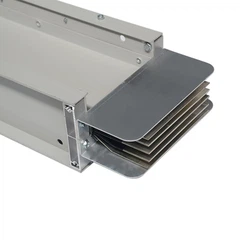
An Aluminum Busway Connector is a popular choice because aluminum is lightweight and has good conductivity. It's also relatively inexpensive compared to some other materials. However, it can be prone to corrosion if not properly protected. Aluminum connectors are great for applications where weight is a concern, like in some mobile or portable electrical systems.
Flexible Busduct
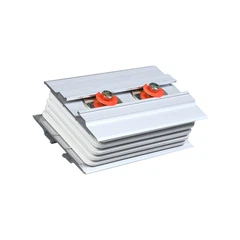
The Flexible Busduct is designed to provide flexibility in installation. It can be bent or curved to fit into tight spaces or follow the layout of your electrical system. This is really useful in situations where a rigid connector just won't work. For example, in a building with a complex layout or in a factory where equipment is constantly being rearranged. The flexibility also reduces stress on the connector and the busway, which can extend its lifespan.
Flexible Copper Busbar
The Flexible Copper Busbar offers excellent conductivity. Copper has a very low resistance, which means it can carry high currents with minimal power loss. It's also very durable and resistant to corrosion. These busbars are often used in high - power applications, like in large industrial plants or data centers.
Compatibility
Making sure the connector is compatible with your busway is essential. You can't just pick any connector and expect it to work with your system. Check the size, shape, and connection type of the busway. The connector should fit snugly and make a good electrical connection.
If you're using a modular busway system, look for connectors that are specifically designed for that modular system. This will ensure a proper fit and a reliable connection. Some systems have unique connection mechanisms, so it's important to use the right connector to avoid any problems.
Installation and Maintenance
Easy installation is a big plus. You don't want to spend hours trying to install a busway connector. Look for connectors that come with clear instructions and are designed for simple installation. Some connectors have features like self - aligning parts or quick - connect mechanisms that can speed up the installation process.
Maintenance is also something to consider. You'll want a connector that's easy to inspect and maintain. Connectors with accessible terminals and clear markings make it easier to check for any signs of wear or damage. Regular maintenance can help prevent failures and ensure the long - term performance of your electrical system.
Cost - Benefit Analysis
Cost is always a factor when making any purchasing decision. But you can't just go for the cheapest option. You need to do a cost - benefit analysis. Consider the initial cost of the connector, as well as the long - term costs. A more expensive connector might save you money in the long run if it has a longer lifespan and requires less maintenance.
Think about the potential costs of a connector failure. If a connector fails, it could lead to downtime, lost production, and expensive repairs. So, investing a little more in a high - quality connector can be a smart move.
Quality and Reliability
Quality and reliability are non - negotiable. Look for connectors that are made by reputable manufacturers. Check for certifications and standards compliance. A connector that meets industry standards is more likely to be reliable and safe.


Read reviews and ask for recommendations from other professionals in the field. Word - of - mouth is a great way to find out about the performance of different connectors. You can also look at case studies or success stories to see how a particular connector has performed in real - world applications.
Technical Support
Good technical support is invaluable. You might run into issues during installation or operation, and having someone to call for help can make a big difference. As a supplier, I always make sure to offer excellent technical support to my customers. Whether it's answering questions about installation or troubleshooting a problem, having a knowledgeable support team can save you a lot of time and hassle.
Conclusion
Choosing the right busway connector is a multi - faceted decision. You need to consider your system's requirements, the type of connector, compatibility, installation and maintenance, cost - benefit, quality and reliability, and technical support. By taking the time to evaluate all these factors, you can make an informed decision that will ensure the safe and efficient operation of your electrical system.
If you're in the market for a busway connector, I'd love to help you find the perfect one for your needs. Feel free to reach out to me to discuss your requirements and start the purchasing process. I'm confident that with my expertise and the high - quality products I offer, we can find a solution that works for you.
References
- Electrical Engineering Handbook, various editions
- Industry standards publications on busway connectors
- Manufacturer's product literature and specifications
Send Inquiry