

How to check the tightness of a waterproof busbar connection?
Oct 22, 2025
Leave a message
Hey there! As a supplier of Waterproof Busbars, I often get asked about how to check the tightness of a waterproof busbar connection. It's a crucial step in ensuring the safety and efficiency of your electrical system. In this blog, I'll share some practical tips and methods that you can use to make sure your busbar connections are tight and secure.
First off, let's understand why checking the tightness of a waterproof busbar connection is so important. A loose connection can lead to a whole bunch of problems. It can cause overheating, which not only reduces the lifespan of the busbar but also poses a significant fire hazard. Moreover, loose connections can result in voltage drops, affecting the performance of the electrical equipment connected to the busbar. So, it's definitely worth taking the time to check and maintain proper tightness.
One of the simplest ways to check the tightness is by using a torque wrench. A torque wrench allows you to apply a specific amount of force to the bolts that hold the busbar connection together. Each busbar has a recommended torque value, which you can find in the manufacturer's specifications. By using a torque wrench, you can ensure that the bolts are tightened to the correct level. For example, if the recommended torque for a particular busbar connection is 50 Nm, you can set the torque wrench to this value and tighten the bolts until the wrench clicks, indicating that the correct torque has been applied.
Another method is the visual inspection. This might sound basic, but it can reveal a lot. Look for any signs of movement or gaps between the busbar and the connecting parts. If you notice any visible gaps, it's a clear indication that the connection is not tight enough. Also, check for any signs of corrosion or damage around the connection area. Corrosion can weaken the connection and make it more likely to come loose over time. If you see any corrosion, it's important to clean it off and take steps to prevent further corrosion, such as applying a protective coating.
You can also use a thermal imaging camera to check the tightness of the busbar connection. A loose connection will generate more heat than a properly tightened one due to increased resistance. By using a thermal imaging camera, you can detect hotspots in the busbar connection. If you notice a significantly higher temperature in a particular area of the connection compared to the rest of the busbar, it could be a sign of a loose connection. However, it's important to note that other factors, such as overloading or a faulty component, can also cause hotspots, so further investigation may be required.
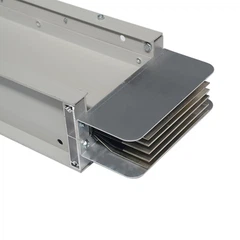
Now, let's talk about some of the products we offer as a Waterproof Busbar supplier. We have a wide range of high - quality waterproof busbars that are designed to withstand harsh environments. Our Underground Bus Duct is perfect for underground electrical installations. It provides excellent protection against water, dust, and other environmental factors, ensuring reliable performance even in challenging conditions.
Our Epoxy Resin Cast Busway Elbow is another great product. It's designed to provide a smooth and efficient electrical connection at corners or bends in the busway system. The epoxy resin casting provides excellent insulation and protection, making it suitable for a variety of applications.
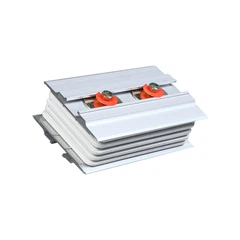
And then there's our Modular Plug - in Cast Resin Busduct. This product offers a flexible and easy - to - install solution for electrical distribution. The modular design allows for quick and convenient installation, and the cast resin construction provides high mechanical strength and excellent waterproofing properties.
In addition to these methods, it's also important to follow a regular maintenance schedule. Check the tightness of the busbar connections at least once a year, or more frequently if the busbar is in a high - vibration or high - humidity environment. Regular maintenance can help you catch any potential problems early and prevent costly downtime.
When it comes to installing or working on busbar connections, always make sure to follow the safety guidelines. Wear appropriate personal protective equipment, such as gloves and safety glasses. Also, make sure to turn off the power before working on the busbar to avoid the risk of electric shock.
If you're in the market for high - quality waterproof busbars or need more information on how to check the tightness of busbar connections, don't hesitate to get in touch. We're here to help you ensure the safety and efficiency of your electrical systems. Whether you're a small business owner or a large industrial facility, we have the products and expertise to meet your needs.
In conclusion, checking the tightness of a waterproof busbar connection is a crucial part of maintaining a safe and efficient electrical system. By using methods like torque wrenches, visual inspections, and thermal imaging cameras, you can ensure that your busbar connections are tight and secure. And if you're looking for top - notch waterproof busbar products, we've got you covered. So, take the time to check your busbar connections regularly and invest in high - quality products to keep your electrical system running smoothly.


References
- Electrical Installation Handbook, Schneider Electric
- Busbar Design and Installation Guide, Siemens
Send Inquiry