

What is the role of a busway spring support in maintaining busway alignment?
Oct 22, 2025
Leave a message
Busways are critical components in electrical power distribution systems, providing a reliable and efficient means of transmitting electricity from a power source to various loads. Maintaining proper alignment of busways is essential for their optimal performance, safety, and longevity. A busway spring support plays a crucial role in this regard. As a leading supplier of busway spring supports, I will delve into the significance of these supports in maintaining busway alignment.
Understanding Busway Alignment
Busway alignment refers to the proper positioning and orientation of busway sections in a power distribution system. Precise alignment ensures that electrical connections are secure, minimizing the risk of arcing, overheating, and power losses. Misaligned busways can lead to a host of problems, including increased electrical resistance, reduced efficiency, and potential safety hazards.
The Function of Busway Spring Supports
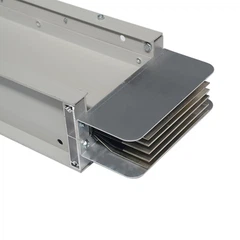
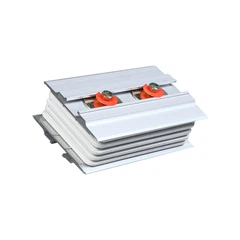
Busway spring supports are designed to provide flexible and adjustable support for busways. They are typically installed at regular intervals along the length of the busway to absorb vibrations, compensate for thermal expansion and contraction, and maintain proper alignment. Here's how they achieve these functions:
Vibration Absorption
In a power distribution system, various factors can cause vibrations, such as the operation of electrical equipment, mechanical forces, and external disturbances. These vibrations can lead to misalignment of busways over time, which can compromise their performance and safety. Busway spring supports act as shock absorbers, dampening vibrations and preventing them from being transmitted to the busway. By reducing vibrations, the supports help to maintain the integrity of electrical connections and prevent damage to the busway components.
Compensation for Thermal Expansion and Contraction
Busways are subject to temperature changes during normal operation, which can cause them to expand and contract. If these thermal movements are not properly accommodated, they can result in stress on the busway and its connections, leading to misalignment and potential failure. Busway spring supports are designed to provide flexibility, allowing the busway to expand and contract freely without causing damage. The springs in the supports can stretch or compress to accommodate the thermal movements, ensuring that the busway remains in proper alignment.
Maintaining Proper Alignment
Busway spring supports are engineered to provide a stable and consistent support structure for the busway. They help to keep the busway in a straight and level position, preventing it from sagging or shifting. This is particularly important in long runs of busway or in applications where the busway is subject to external forces. By maintaining proper alignment, the supports ensure that electrical connections are secure and that the busway operates efficiently.
The Importance of Proper Installation
The effectiveness of busway spring supports in maintaining busway alignment depends on proper installation. It is essential to follow the manufacturer's guidelines and specifications when installing the supports to ensure that they are installed correctly and provide the necessary support. Here are some key considerations for proper installation:
Location and Spacing
Busway spring supports should be installed at regular intervals along the length of the busway, as recommended by the manufacturer. The spacing between the supports will depend on various factors, such as the size and weight of the busway, the type of application, and the expected thermal movements. Proper spacing ensures that the busway is adequately supported and that the springs can function effectively.
Mounting and Attachment
The supports should be securely mounted to a stable structure, such as a wall, ceiling, or floor. It is important to use the appropriate mounting hardware and techniques to ensure that the supports are firmly attached and can withstand the forces exerted on them. The busway should also be properly attached to the supports to prevent it from moving or shifting.


Adjustment and Tensioning
After installation, the busway spring supports may need to be adjusted to ensure that they are providing the correct amount of support. This may involve adjusting the tension of the springs or the position of the supports. It is important to follow the manufacturer's instructions when making these adjustments to ensure that the supports are functioning properly.
Related Busway Core Accessories
In addition to busway spring supports, there are several other core accessories that are essential for the proper operation and maintenance of busways. These accessories include Busway Connector Insulation Plate, High-Insulation Polyester Film, and Tinned Copper Busbar.
Busway Connector Insulation Plate
Busway connector insulation plates are used to provide electrical insulation between busway connectors. They help to prevent electrical arcing and short circuits, ensuring the safety and reliability of the busway system. The insulation plates are typically made of high-quality insulating materials, such as epoxy resin or fiberglass, and are designed to withstand high temperatures and electrical stresses.
High-Insulation Polyester Film
High-insulation polyester film is used to provide additional insulation for busways. It is typically applied to the surface of the busbar or other components to improve their electrical insulation properties. The film is made of a thin, flexible polyester material that has excellent dielectric strength and thermal stability. It helps to prevent electrical leakage and reduce the risk of electrical breakdown.
Tinned Copper Busbar
Tinned copper busbars are commonly used in busway systems due to their excellent electrical conductivity and corrosion resistance. The tin coating on the copper busbar provides a protective layer that helps to prevent oxidation and corrosion, ensuring the long-term performance and reliability of the busway. Tinned copper busbars are available in various sizes and shapes to meet the specific requirements of different applications.
Conclusion
In conclusion, busway spring supports play a vital role in maintaining busway alignment in electrical power distribution systems. They help to absorb vibrations, compensate for thermal expansion and contraction, and provide a stable support structure for the busway. Proper installation and maintenance of these supports are essential to ensure their effectiveness and to prevent misalignment and potential failure of the busway. As a supplier of busway spring supports, we are committed to providing high-quality products and technical support to our customers. If you are in need of busway spring supports or other busway core accessories, please feel free to contact us for more information and to discuss your specific requirements. We look forward to the opportunity to work with you and to help you ensure the optimal performance and safety of your busway system.
References
- Electrical Power Distribution Handbook, by John McDonald
- Busway Installation and Maintenance Guide, by a leading busway manufacturer
Send Inquiry