

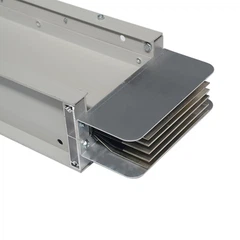
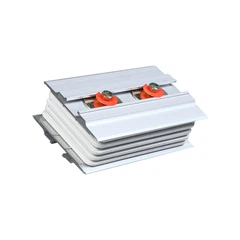
How does the contact resistance affect the performance of a Bus Duct Tap Off Unit?
Jun 01, 2026
Leave a message
As a supplier of Bus Duct Tap Off Units, I've witnessed firsthand the critical role that contact resistance plays in the performance of these essential electrical components. In this blog, I'll delve into how contact resistance affects the performance of a Bus Duct Tap Off Unit, exploring the implications for efficiency, safety, and overall system reliability.
Understanding Contact Resistance in Bus Duct Tap Off Units
Contact resistance refers to the resistance encountered at the interface between two conductive materials in a Bus Duct Tap Off Unit. This resistance can arise from various factors, including surface roughness, oxidation, and the presence of contaminants. When current flows through the contact points, the contact resistance generates heat, which can have significant consequences for the performance of the tap off unit.
Impact on Efficiency
One of the primary ways contact resistance affects the performance of a Bus Duct Tap Off Unit is through its impact on efficiency. High contact resistance leads to increased power losses in the form of heat dissipation. These losses not only waste energy but also reduce the overall efficiency of the electrical system. As a result, more power is required to achieve the same level of performance, leading to higher energy costs and increased environmental impact.
For example, in a large industrial facility, a Bus Duct Tap Off Unit with high contact resistance can result in substantial energy losses over time. These losses can add up to significant costs, making it essential to minimize contact resistance to improve efficiency and reduce operating expenses.
Effect on Safety
Contact resistance also has a direct impact on the safety of a Bus Duct Tap Off Unit. Excessive heat generated by high contact resistance can lead to overheating, which can cause insulation degradation, melting of conductive materials, and even electrical fires. In addition, the increased temperature can also affect the performance of other components in the electrical system, leading to potential failures and downtime.
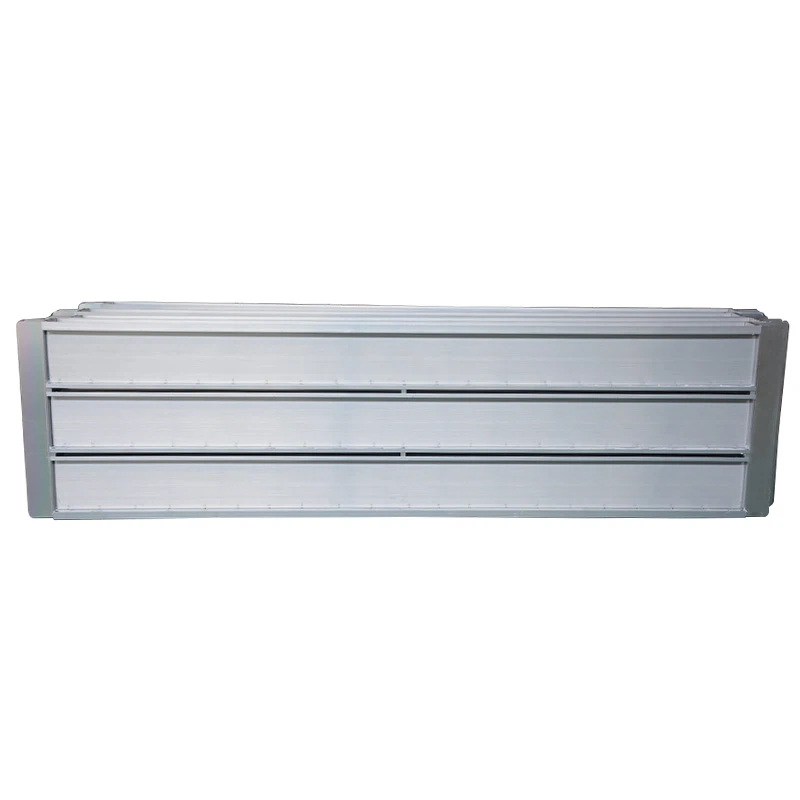

To ensure the safety of the electrical system, it is crucial to maintain low contact resistance in the Bus Duct Tap Off Unit. This can be achieved through proper installation, regular maintenance, and the use of high-quality materials and components.
Influence on System Reliability
The reliability of a Bus Duct Tap Off Unit is closely related to its contact resistance. High contact resistance can cause fluctuations in the electrical current, leading to unstable operation and potential failures. In addition, the heat generated by high contact resistance can also accelerate the aging of the components, reducing their lifespan and increasing the risk of breakdowns.
By minimizing contact resistance, we can improve the reliability of the Bus Duct Tap Off Unit and ensure the smooth operation of the electrical system. This can help to reduce downtime, increase productivity, and save costs in the long run.
Strategies to Minimize Contact Resistance
As a Bus Duct Tap Off Unit supplier, we understand the importance of minimizing contact resistance to ensure the optimal performance of our products. Here are some strategies we employ to achieve this:
- Proper Surface Preparation: Before installing the tap off unit, we ensure that the contact surfaces are clean and free of contaminants. This helps to reduce the contact resistance and improve the electrical conductivity.
- Use of High-Quality Materials: We use high-quality conductive materials with low resistivity to minimize the contact resistance. These materials are also resistant to oxidation and corrosion, ensuring long-term reliability.
- Tightening and Torque Control: Proper tightening of the contact points is essential to ensure good electrical contact. We use torque wrenches to ensure that the bolts are tightened to the correct specifications, preventing loose connections and reducing contact resistance.
- Regular Maintenance: Regular maintenance is crucial to keep the contact points clean and in good condition. We recommend periodic inspections and cleaning to remove any dirt, dust, or oxidation that may accumulate over time.
Conclusion
Contact resistance plays a critical role in the performance of a Bus Duct Tap Off Unit. High contact resistance can lead to reduced efficiency, safety hazards, and decreased system reliability. As a Bus Duct Tap Off Unit supplier, we are committed to minimizing contact resistance in our products through proper surface preparation, the use of high-quality materials, tightening and torque control, and regular maintenance.
If you're looking for a reliable Bus Duct Tap Off Unit supplier, we invite you to contact us to discuss your specific requirements. Our team of experts is ready to provide you with the best solutions for your electrical distribution needs.
References
Send Inquiry