

How does electromagnetic compatibility affect Aluminum Bus Duct?
Apr 28, 2026
Leave a message
Electromagnetic compatibility (EMC) plays a crucial role in the performance and reliability of electrical systems, especially when it comes to aluminum bus ducts. As an aluminum bus duct supplier, I've seen firsthand how EMC can impact these products, and I'm excited to share some insights on this topic.
Understanding Electromagnetic Compatibility
Before we dive into how EMC affects aluminum bus ducts, let's quickly go over what EMC is. In simple terms, EMC is the ability of electrical and electronic equipment to function properly in their electromagnetic environment without causing unacceptable electromagnetic interference (EMI) to other equipment. EMI can manifest in various forms, such as radio - frequency interference, electrostatic discharge, or power - related disturbances.
How Aluminum Bus Ducts Work
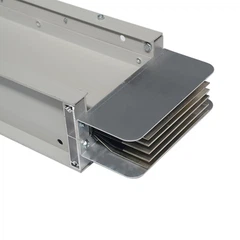
Aluminum bus ducts are used to carry electric power from one point to another in a building or an industrial facility. They consist of aluminum conductors enclosed in an aluminum housing, which provides mechanical protection and grounding. The bus ducts are often used in high - power applications, like power distribution in factories, commercial buildings, and data centers.
Impact of EMC on Aluminum Bus Ducts
EMI Generation
One of the main ways EMC affects aluminum bus ducts is through the generation of electromagnetic interference. When current flows through the conductors in a bus duct, it creates a magnetic field. If the current is rapidly changing, the magnetic field also changes, which can induce electrical currents in nearby conductors. This can lead to interference with other sensitive electrical or electronic equipment in the vicinity.
For example, in a modern factory where there are a lot of control systems and automation equipment, the EMI generated by the bus ducts can disrupt the proper functioning of these systems. This might result in inaccurate readings, malfunctions, or even complete failure of the equipment.
Susceptibility to EMI
Aluminum bus ducts are not just sources of EMI but can also be susceptible to it. External electromagnetic fields, such as those generated by nearby radio transmitters, electrical motors, or other high - power equipment, can induce unwanted currents in the bus duct conductors. These induced currents can cause fluctuations in the power being transmitted through the bus duct, which can lead to power quality issues.
Power quality problems can have serious consequences. In a data center, for instance, even a minor power fluctuation can result in data loss or system crashes. So, it's essential for aluminum bus ducts to be designed to resist external EMI.
Shielding and EMC
To mitigate the effects of EMI, proper shielding is crucial. Aluminum itself is a good conductor, and the housing of the bus duct can act as a shield. However, the effectiveness of the shielding depends on several factors, such as the thickness of the aluminum, the design of the housing, and the presence of any gaps or joints.
A well - designed aluminum bus duct should have a continuous and properly grounded shield to prevent the entry and exit of electromagnetic fields. For example, if there are gaps in the housing, electromagnetic waves can leak through, reducing the shielding effectiveness.
Design Considerations for EMC in Aluminum Bus Ducts
Conductor Arrangement
The way the conductors are arranged inside the bus duct can have a significant impact on EMC. A balanced arrangement of conductors can help reduce the magnetic field generated outside the bus duct. For example, in a three - phase system, the conductors should be arranged in a way that the magnetic fields generated by each phase cancel each other out as much as possible.
Insulation Materials
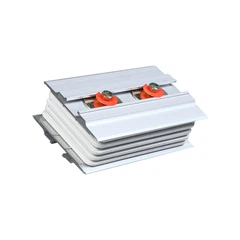
The insulation materials used in the Sandwich Bus Duct Insulation also play a role in EMC. High - quality insulation materials not only provide electrical isolation but also help in reducing the propagation of electromagnetic fields. They can prevent the leakage of electrical energy and minimize the generation of EMI.
Grounding
Proper grounding is essential for EMC. The bus duct housing should be effectively grounded to provide a low - impedance path for the flow of any induced currents. This helps in dissipating the electromagnetic energy and reducing the risk of EMI.
Real - World Examples
Let me share a real - world scenario. I once supplied aluminum bus ducts to a large commercial building. The building had a lot of sensitive electronic equipment, including security systems, communication systems, and lighting control systems. After the installation, the building management started to notice some intermittent problems with these systems.
Upon investigation, we found that the EMI generated by the bus ducts was interfering with the operation of the sensitive equipment. We had to go back to the drawing board and make some modifications to the bus duct design. We increased the thickness of the aluminum housing to improve the shielding, and we also adjusted the conductor arrangement to reduce the external magnetic field. These changes significantly reduced the EMI and solved the problem.
Importance of Complying with EMC Standards
There are various international and national standards regarding EMC, such as the CISPR (International Special Committee on Radio Interference) standards. Complying with these standards is not only a legal requirement in many cases but also ensures that the aluminum bus ducts will work properly in different electromagnetic environments.
When you choose an aluminum bus duct, it's essential to ensure that it meets the relevant EMC standards. This gives you peace of mind knowing that the bus duct will not cause problems for other equipment and will also be able to withstand external electromagnetic interference.
Related Products and Their EMC Considerations
We also offer Feeder Bus Duct and Busway Vertical Elbow. Feeder bus ducts are used to transfer power from the main power source to different sections of a building. These need to have high EMC performance as they carry large amounts of current and are often located near other electrical equipment.
Busway vertical elbows are used to change the direction of the bus duct system. They play a role in maintaining the integrity of the shielding and the electrical continuity. Any misalignment or improper installation of these elbows can lead to EMI issues.
Conclusion
Electromagnetic compatibility is a critical factor that can significantly affect the performance and reliability of aluminum bus ducts. As a supplier, we take EMC seriously in our product design and manufacturing processes. We ensure that our bus ducts are designed to minimize EMI generation and are resistant to external interference.
If you're in the market for high - quality aluminum bus ducts that meet strict EMC standards, we'd love to have a chat. Whether you're building a new facility or upgrading an existing one, our team can help you choose the right bus duct solution for your needs. Just reach out to start the conversation about your specific requirements and let's work together to ensure a reliable power distribution system.


References
- "Electromagnetic Compatibility Engineering" by Henry W. Ott
- CISPR standards publications
Send Inquiry