

What are the installation requirements for a Busway Feeder Box?
Apr 29, 2026
Leave a message
Hey there! As a supplier of Busway Feeder Boxes, I often get asked about the installation requirements for these nifty devices. So, I thought I'd take a few minutes to break it all down for you in a super easy-to-understand way.
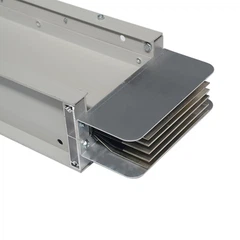
First off, let's talk about what a Busway Feeder Box actually is. It's basically a crucial component in electrical distribution systems. It helps to connect the busway to other electrical equipment, like transformers or switchgear, and distributes power safely and efficiently. If you want to learn more about Busway Feeder Boxes, you can check out this link: Busway Feeder Box
Location and Space Considerations
The first thing you gotta think about when installing a Busway Feeder Box is where you're gonna put it. Location is key! You need to choose a spot that's easily accessible for maintenance and inspection. Nobody wants to have to crawl through a maze of pipes and wires just to check on the feeder box, right?
Also, make sure there's enough space around the box. You need at least a certain amount of clearance on all sides to allow for proper ventilation. Overheating is a big no-no when it comes to electrical equipment, and good ventilation helps prevent that. A general rule of thumb is to have at least 12 inches of clearance on all sides of the box.

The area where you install the box should be dry and free from excessive dust, moisture, and corrosive substances. Moisture can cause rust and corrosion, which can damage the box and its components over time. And dust can accumulate on the electrical parts, leading to overheating and potential malfunctions.
Electrical Requirements
Now, let's get into the electrical side of things. The first step is to make sure the power supply matches the specifications of the Busway Feeder Box. You need to check the voltage, current, and frequency ratings. If the power supply doesn't match, it can cause all sorts of problems, from incorrect operation to serious damage to the box.
You also need to ensure proper grounding. Grounding is super important for safety reasons. It helps to protect against electrical shocks and prevent electrical fires. Make sure the grounding conductor is properly sized and connected according to the local electrical codes.
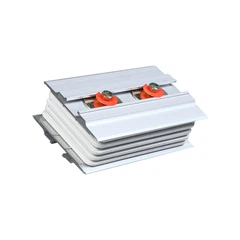
When it comes to connecting the feeder box to the busway, you've gotta use the right tools and materials. One of the key components here is the Flexible Copper Busbar. This is a flexible conductor that's used to connect the feeder box to the busway. It allows for some flexibility in the installation, which can be really handy in tight spaces or when dealing with slight misalignments.
The connections between the feeder box, the busbar, and other electrical components need to be tight and secure. Loose connections can lead to increased resistance, which can cause overheating and potentially start a fire. Use the proper torque settings when tightening the bolts and screws, and make sure all the connections are clean and free from dirt and debris.
Structural Requirements
The Busway Feeder Box needs to be mounted securely. You can use wall mounts, floor mounts, or other appropriate mounting methods depending on the location and the design of the box. The mounting surface should be strong enough to support the weight of the box and all its contents.
If you're mounting the box on a wall, make sure the wall is made of a suitable material, like concrete or steel. You may need to use special anchors or brackets to ensure a secure installation. And if you're mounting it on the floor, make sure the floor is level and can handle the load.
Insulation and Protection
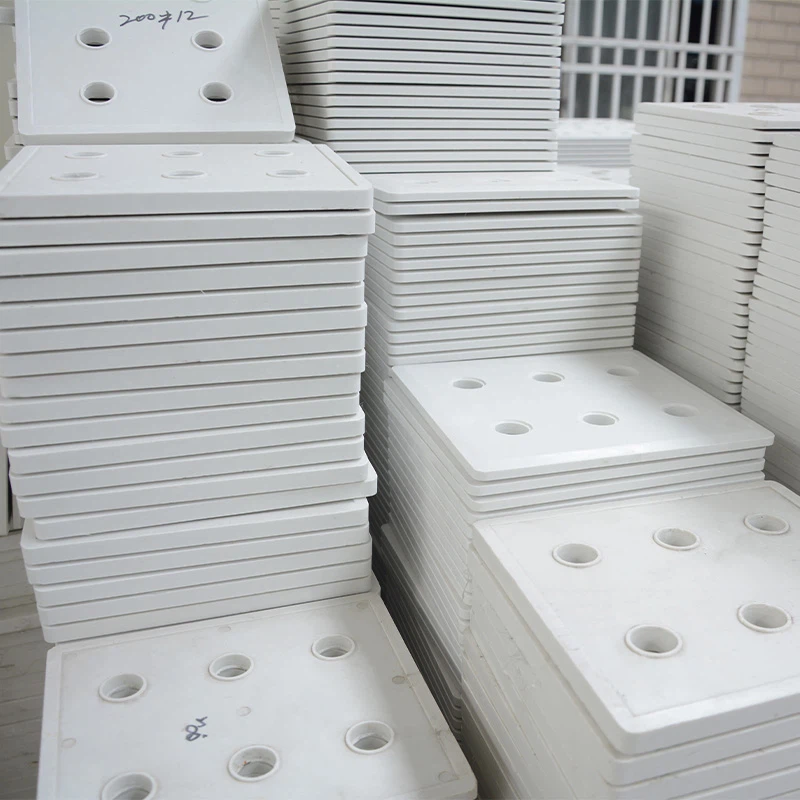
Insulation is another crucial aspect of the installation. You need to use high-quality insulation materials to prevent electrical leakage and short circuits. One important component in this regard is the Busway Connector Insulation Plate. This plate helps to insulate the connections between the feeder box and the busway, reducing the risk of electrical problems.
The feeder box should also be protected from physical damage. You can install protective enclosures or guards around the box to prevent accidental impacts or damage from tools or equipment. And if the box is installed in an outdoor environment, you need to make sure it's weatherproof and can withstand the elements.
Testing and Commissioning
Once the Busway Feeder Box is installed, you can't just flip the switch and call it a day. You need to conduct a series of tests to make sure everything is working properly. These tests may include insulation resistance tests, continuity tests, and load tests.
Insulation resistance tests help to check the integrity of the insulation. A low insulation resistance value could indicate a problem with the insulation, such as moisture ingress or damage. Continuity tests are used to make sure all the electrical connections are intact and there are no breaks in the circuit. And load tests are conducted to verify that the feeder box can handle the expected electrical load without overheating or other issues.
After the tests are completed and everything checks out, you can officially commission the feeder box. This means putting it into service and making sure it's operating as intended.
Regular Maintenance
Even after a successful installation and commissioning, the work doesn't stop there. Regular maintenance is essential to keep the Busway Feeder Box in good working condition. You should inspect the box periodically for signs of wear and tear, loose connections, or any other issues.
Clean the box and its components regularly to remove dust and dirt. Check the insulation for any signs of damage or degradation, and replace it if necessary. And make sure all the connections are still tight and secure.
Wrapping It Up and Reaching Out
So, there you have it - the main installation requirements for a Busway Feeder Box. From choosing the right location to conducting thorough testing, every step is important to ensure a safe and efficient electrical distribution system.
If you're in the market for a Busway Feeder Box or have any questions about the installation process, don't hesitate to reach out. We're here to help you make the best choice for your electrical needs. Whether you're a contractor working on a big project or a facility manager looking to upgrade your electrical system, we've got the expertise and the products to support you.
References
- Electrical Installation Manuals for Busway Systems
- National Electrical Codes and Standards
Send Inquiry