

Can Rising Mains Bus Duct be connected to other power distribution equipment?
Nov 13, 2025
Leave a message
In the realm of electrical power distribution, the question of whether a Rising Mains Bus Duct can be connected to other power distribution equipment is a crucial one. As a supplier of Rising Mains Bus Duct, I've encountered this query numerous times from clients, engineers, and contractors in the industry. In this blog, I'll delve into the technical aspects, feasibility, and considerations regarding the connection of Rising Mains Bus Duct to other power distribution equipment.
Understanding Rising Mains Bus Duct
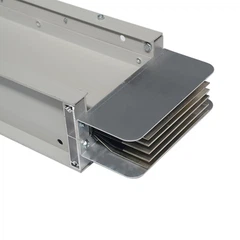
Before we explore the connection possibilities, let's first understand what a Rising Mains Bus Duct is. A Rising Mains Bus Duct is a prefabricated, factory - assembled electrical distribution system designed to carry large amounts of electrical current vertically in a building. It consists of copper or aluminum conductors enclosed in a protective housing, which provides mechanical support and electrical insulation. Rising Mains Bus Ducts are commonly used in high - rise buildings, industrial plants, and large commercial complexes to distribute power from the main switchgear to different floors or sections of a facility. You can find more detailed information about Rising Mains Bus Duct on our website Rising Mains Bus Duct.


Compatibility with Other Power Distribution Equipment
The ability to connect a Rising Mains Bus Duct to other power distribution equipment depends on several factors, including electrical ratings, physical dimensions, and connection methods.
Electrical Ratings
One of the most critical factors is the electrical rating of the equipment. The voltage, current, and short - circuit withstand capacity of the Rising Mains Bus Duct must be compatible with the connected equipment. For example, if you are connecting the bus duct to a switchgear, the switchgear's rated current and short - circuit breaking capacity should be able to handle the electrical load carried by the bus duct. Mismatched electrical ratings can lead to overheating, equipment failure, and even electrical fires. Therefore, it is essential to carefully review the technical specifications of both the Rising Mains Bus Duct and the connected equipment before making any connections.
Physical Dimensions
The physical dimensions of the Rising Mains Bus Duct and the connected equipment also play a significant role. The bus duct must be able to fit properly with the other equipment, and there should be enough space for installation, maintenance, and ventilation. In some cases, adapters or transition pieces may be required to ensure a proper fit. For instance, when connecting a bus duct to a transformer, the connection points must align correctly, and the overall layout should allow for easy access for inspection and repairs.
Connection Methods
There are several connection methods available for connecting a Rising Mains Bus Duct to other power distribution equipment. The most common methods include bolted connections, plug - in connections, and welded connections.
- Bolted Connections: Bolted connections are widely used due to their simplicity and ease of installation. They involve using bolts and nuts to secure the bus duct conductors to the terminals of the connected equipment. However, proper torque must be applied to ensure a good electrical contact and prevent loose connections, which can cause overheating.
- Plug - in Connections: Plug - in connections are more convenient for quick installation and disconnection. They are commonly used in applications where frequent maintenance or reconfiguration is required. The plug - in connectors must be designed to provide a reliable electrical connection and mechanical stability.
- Welded Connections: Welded connections offer a permanent and low - resistance electrical connection. However, they require skilled welders and proper welding techniques to ensure the quality of the connection. Welded connections are typically used in applications where a high - integrity connection is required, such as in high - current or high - voltage systems.
Specific Examples of Connections
Let's take a look at some specific examples of how a Rising Mains Bus Duct can be connected to other power distribution equipment.
Connection to Switchgear
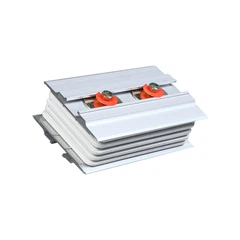
Switchgear is a key component in any power distribution system, and connecting a Rising Mains Bus Duct to switchgear is a common application. The connection is usually made at the main incoming or outgoing terminals of the switchgear. A proper bus duct flange is required to ensure a secure and reliable connection. You can learn more about bus duct flanges on our website Bus Duct Flange. The flange provides a mechanical and electrical interface between the bus duct and the switchgear, and it must be designed to withstand the electrical and mechanical stresses during normal operation and fault conditions.
Connection to Transformers
Transformers are used to step up or step down the voltage in a power distribution system. When connecting a Rising Mains Bus Duct to a transformer, the connection must be made at the low - voltage or high - voltage terminals of the transformer, depending on the system requirements. A busway vertical elbow may be used to change the direction of the bus duct and align it with the transformer terminals. More information about busway vertical elbows can be found on our website Busway Vertical Elbow. The connection must be carefully designed to ensure proper insulation and electrical clearance to prevent short - circuits.
Connection to Distribution Boards
Distribution boards are used to distribute power to multiple circuits within a building or facility. Connecting a Rising Mains Bus Duct to a distribution board involves making connections at the main incoming terminals of the distribution board. The connection method can be either bolted or plug - in, depending on the design of the distribution board and the bus duct.
Safety Considerations
When connecting a Rising Mains Bus Duct to other power distribution equipment, safety is of utmost importance. Here are some safety considerations to keep in mind:
- Electrical Isolation: Before making any connections, the power supply to the equipment must be isolated to prevent electrical shock. This involves switching off the circuit breakers and locking out the equipment.
- Proper Grounding: All electrical equipment, including the Rising Mains Bus Duct and the connected equipment, must be properly grounded to protect against electrical faults. A good grounding system helps to divert fault currents safely to the ground.
- Insulation Testing: After the connection is made, insulation testing should be performed to ensure that the electrical insulation of the system is intact. This helps to detect any potential insulation breakdown or short - circuits.
- Compliance with Standards: The installation and connection of the Rising Mains Bus Duct and the connected equipment must comply with relevant electrical standards and codes, such as the National Electrical Code (NEC) in the United States or the International Electrotechnical Commission (IEC) standards.
Conclusion
In conclusion, a Rising Mains Bus Duct can be connected to other power distribution equipment, but it requires careful consideration of electrical ratings, physical dimensions, connection methods, and safety aspects. As a supplier of Rising Mains Bus Duct, we have the expertise and experience to provide you with the right solutions for your power distribution needs. Whether you are connecting to switchgear, transformers, or distribution boards, we can offer high - quality products and professional technical support.
If you are interested in our Rising Mains Bus Duct products or need more information about connecting them to other power distribution equipment, please feel free to contact us for procurement and further discussions. We are committed to providing you with the best products and services in the field of electrical power distribution.
References
- Electrical Power Distribution Handbook, McGraw - Hill
- National Electrical Code (NEC)
- International Electrotechnical Commission (IEC) Standards
Send Inquiry