

What is the impact of repeated bending on the performance of flexible copper busbar?
Nov 13, 2025
Leave a message
Hey there! As a supplier of flexible copper busbars, I've been getting a lot of questions lately about how repeated bending affects their performance. So, I thought I'd take a deep dive into this topic and share what I've learned.
Understanding Flexible Copper Busbars
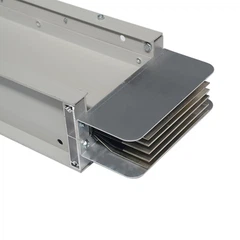
First off, let's quickly go over what flexible copper busbars are. They're basically strips or bars of copper that are designed to carry electrical current. Unlike rigid busbars, flexible ones can be bent and shaped to fit different applications. This flexibility makes them super useful in a variety of industries, from automotive to renewable energy.
The Basics of Repeated Bending
Repeated bending is exactly what it sounds like - bending the busbar over and over again. This can happen during installation, maintenance, or even normal operation. For example, in a machine that moves or vibrates, the busbar might be bent repeatedly as the machine goes through its cycles.
Impact on Electrical Conductivity
One of the most important aspects of a busbar's performance is its electrical conductivity. When a flexible copper busbar is bent repeatedly, it can start to affect this conductivity. The bending process can cause the copper to deform at a microscopic level. This deformation can create tiny cracks or disrupt the crystal structure of the copper.
As these cracks and disruptions form, the path for the electrical current becomes less smooth. The electrons have to navigate around these imperfections, which increases the resistance of the busbar. And as we all know, an increase in resistance means a decrease in electrical conductivity. This can lead to power losses, overheating, and even potential failures in the electrical system.
Mechanical Integrity
Another big factor is the mechanical integrity of the busbar. Every time you bend a busbar, you're putting stress on it. Over time, this repeated stress can weaken the material. The outer layers of the copper can start to crack, and the internal structure can become more brittle.
If the mechanical integrity is compromised, the busbar might break or separate at the bent points. This is a serious issue, especially in high - voltage or high - current applications. A broken busbar can cause short circuits, electrical fires, and other safety hazards.


Fatigue and Wear
Repeated bending also leads to fatigue and wear. Just like our bodies get tired after doing the same physical activity over and over, the copper in the busbar experiences fatigue. The stress from bending causes micro - fractures to form and grow over time.
These micro - fractures can eventually lead to larger cracks and failures. The wear and tear on the busbar can also affect its surface finish. A rough or damaged surface can increase the risk of corrosion, which further degrades the performance of the busbar.
How to Mitigate the Impact
Now, the good news is that there are ways to mitigate the impact of repeated bending. One option is to choose a busbar with a higher flexibility rating. Some manufacturers offer busbars that are specifically designed to withstand more bending cycles. These busbars are made from high - quality copper alloys and have a better internal structure that can handle the stress.
Another way is to use proper installation techniques. When bending the busbar, make sure to use the right tools and follow the recommended bending radius. A sharp bend can cause more stress and damage than a gentle curve. Also, providing proper support for the busbar can reduce the amount of stress it experiences during operation.
Related Products
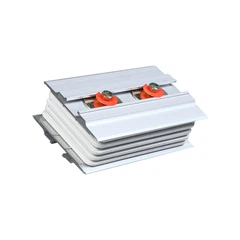
If you're in the market for other busway accessories, I'd like to mention a few useful products. You can check out the Busway Spring Support, which helps to support the busway and reduce vibrations. The Busway Connector Insulation Plate is great for providing insulation and preventing electrical shorts. And the Copper Busway Connector is essential for connecting different sections of the busway.
Conclusion
In conclusion, repeated bending can have a significant impact on the performance of flexible copper busbars. It can affect their electrical conductivity, mechanical integrity, and lead to fatigue and wear. But by choosing the right busbar and using proper installation techniques, you can minimize these effects.
If you're interested in purchasing flexible copper busbars or have any questions about how to use them in your application, don't hesitate to reach out. We're here to help you find the best solution for your electrical needs. Whether you're working on a small project or a large - scale industrial application, we've got the expertise and the products to support you.
References
- "Electrical Conductivity of Metals" - A textbook on electrical engineering principles
- "Mechanical Properties of Copper Alloys" - A research paper on the behavior of copper under stress
- "Busbar Design and Installation Guidelines" - Industry standards for busbar usage
Send Inquiry