

Can a fire - resistant busway be installed vertically?
Aug 01, 2025
Leave a message
Hey there! As a supplier of fire-resistant busways, I often get asked a bunch of questions from customers. One question that pops up quite a bit is, "Can a fire-resistant busway be installed vertically?" Well, let's dig into this topic and find out.
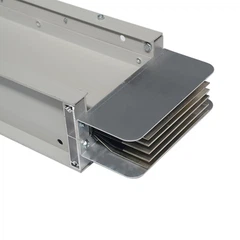
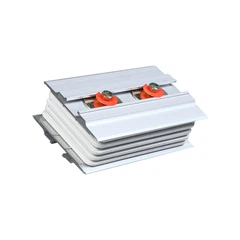
First off, let's understand what a fire-resistant busway is. It's a crucial part of an electrical distribution system, designed to carry electrical power safely, especially in areas where fire safety is a top concern. We've got different types of fire-resistant busways in our catalog, like the Fire-Resistant Busway Feeder Unit, the Fire-Resistant Busduct Elbow, and the 3-Phase Fire-Resistant Busway. Each of these has its own unique features and uses, but they all share the common goal of providing reliable power while keeping fire risks in check.
Now, back to the main question: can it be installed vertically? The short answer is yes, a fire-resistant busway can be installed vertically. But, like with any electrical installation, there are some important things to consider.
Advantages of Vertical Installation
One of the biggest advantages of vertical installation is space-saving. In buildings where floor space is at a premium, installing the busway vertically can free up a lot of room on the ground level. This is especially useful in high-rise buildings, factories, and data centers where every square foot counts.


Another benefit is that vertical installation can make it easier to route the busway through different floors. It allows for a more direct path for the electrical power to travel, reducing the need for long, horizontal runs that might be more difficult to manage and could potentially introduce more points of failure.
Challenges of Vertical Installation
However, vertical installation isn't without its challenges. One of the main issues is the effect of gravity on the busway components. Over time, the weight of the busway itself and the electrical cables inside can put stress on the joints and connections. This can lead to loosening of the connections, which could potentially cause electrical problems or even pose a fire hazard.
To combat this, we've designed our fire-resistant busways with special features to ensure that the joints remain secure even under the influence of gravity. For example, we use high-quality locking mechanisms and support brackets that are specifically engineered to handle the vertical load.
Another challenge is the potential for moisture and debris to accumulate inside the busway. In a vertical installation, water or dust can more easily make its way into the busway from the top. This can damage the electrical components and reduce the effectiveness of the fire-resistant properties. To prevent this, our busways are equipped with sealed enclosures and drainage channels to keep moisture and debris out.
Installation Considerations
When installing a fire-resistant busway vertically, it's crucial to follow the manufacturer's guidelines. These guidelines are based on extensive testing and research to ensure the safe and proper operation of the busway.
First, you need to make sure that the installation location is suitable. The area should be well-ventilated to prevent overheating, and there should be enough space around the busway for maintenance and inspection.
You also need to pay attention to the support structure. The busway should be securely fastened to a sturdy wall or other support system. The support spacing should be in accordance with the manufacturer's recommendations to ensure that the busway is properly supported along its entire length.
During the installation process, it's important to handle the busway components with care. Any damage to the busway during installation can compromise its fire-resistant properties and electrical performance. Make sure to use the correct tools and techniques to install the busway, and follow all safety procedures.
Maintenance and Inspection
Once the fire-resistant busway is installed vertically, regular maintenance and inspection are essential. This includes checking the joints and connections for tightness, inspecting the enclosures for signs of damage or moisture, and testing the electrical performance of the busway.
We recommend scheduling maintenance checks at least once a year, or more frequently if the busway is in a high-stress environment. By staying on top of maintenance, you can ensure that your fire-resistant busway continues to operate safely and effectively for years to come.
Conclusion
So, to sum it up, a fire-resistant busway can definitely be installed vertically. While there are some challenges associated with vertical installation, our fire-resistant busways are designed to overcome these challenges and provide a reliable and safe electrical distribution solution.
If you're considering a vertical installation for your project, I encourage you to reach out to us. Our team of experts can help you determine the best type of fire-resistant busway for your needs and provide you with detailed installation and maintenance guidance. Whether you're building a new high-rise, upgrading an existing factory, or setting up a data center, we've got the products and expertise to help you get the job done right.
Don't hesitate to contact us if you have any questions or if you're ready to discuss your fire-resistant busway requirements. We're here to help you find the best solution for your project.
References
- Electrical Safety Standards Handbook
- Fire-Resistant Busway Product Manuals
Send Inquiry