

What is the electromagnetic compatibility of a busway connector?
Jul 31, 2025
Leave a message
Hey there! As a supplier of busway connectors, I've been getting a lot of questions lately about electromagnetic compatibility (EMC) of these connectors. So, I thought I'd sit down and write a little something to break it all down for you.
Let's start with the basics. What exactly is electromagnetic compatibility? Well, in simple terms, EMC is all about how well different electrical and electronic devices can operate in the same electromagnetic environment without causing interference to each other. You see, every electrical device out there generates electromagnetic fields as it works. These fields can sometimes mess with the normal operation of other nearby devices. That's where EMC comes in - it's like a set of rules to make sure everyone plays nice in the electromagnetic sandbox.
Now, when it comes to busway connectors, EMC is super important. Busway systems are used to distribute electrical power in a wide range of applications, from commercial buildings to industrial plants. These connectors are the crucial link that joins different sections of the busway together. If they don't have good EMC, it can lead to all sorts of problems.
One of the main issues caused by poor EMC in busway connectors is electromagnetic interference (EMI). EMI can show up in different ways. It might cause electrical noise, which can disrupt the normal functioning of sensitive electronic equipment. For example, in a data center, EMI from a poorly designed busway connector could interfere with the servers, leading to data errors or even system failures. It can also affect communication systems, like radio and Wi - Fi signals, causing static or dropped connections.


So, what goes into making a busway connector have good electromagnetic compatibility? There are a few key factors.
Design and Construction
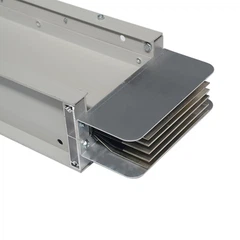
The physical design of the busway connector plays a huge role in its EMC performance. A well - designed connector will have proper shielding. Shielding is like a protective barrier that blocks the electromagnetic fields from escaping or entering the connector. It's usually made of a conductive material, like metal. For instance, a Copper Busway Connector often has excellent shielding properties because copper is a great conductor. This helps to contain the electromagnetic fields within the connector and reduces the chances of EMI.
The shape and layout of the connector also matter. A connector with a compact and symmetrical design is less likely to generate strong electromagnetic fields compared to a poorly designed one. Additionally, the way the conductors are arranged inside the connector can affect its EMC. Proper spacing between the conductors helps to minimize the electromagnetic coupling between them, which in turn reduces EMI.
Insulation
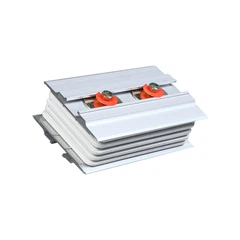
Insulation is another crucial aspect. A high - quality Busway Connector Insulation Plate can prevent electrical leakage and reduce the generation of electromagnetic fields. Good insulation materials have high dielectric strength, which means they can withstand high voltages without breaking down. This not only ensures the safety of the connector but also helps in maintaining good EMC. If the insulation is faulty or of poor quality, it can lead to electrical arcing, which is a major source of EMI.
Grounding
Proper grounding is essential for EMC in busway connectors. Grounding provides a path for the electrical currents to flow safely to the ground. It helps to balance the electrical potential and reduces the build - up of static electricity. A well - grounded busway connector can effectively dissipate any unwanted electromagnetic energy, preventing it from causing interference. In some cases, additional grounding techniques, like using grounding straps, can be employed to enhance the EMC performance.
Testing and Certification
As a busway connector supplier, we don't just rely on theory. We put our connectors through rigorous testing to ensure they meet the required EMC standards. These tests simulate real - world conditions and measure the amount of electromagnetic emissions and susceptibility of the connectors. Only after passing these tests do we consider our connectors to be EMC - compliant.
There are various international standards for EMC, such as the CISPR (International Special Committee on Radio Interference) standards. Compliance with these standards gives our customers the confidence that our busway connectors will work reliably in different electromagnetic environments.
The Role of Accessories
Accessories can also contribute to the EMC of busway connectors. For example, a Busway Spring Support can help in maintaining the proper alignment and contact of the connector. This is important because a loose or misaligned connector can generate additional electromagnetic fields. By ensuring a stable connection, the spring support helps to reduce the chances of EMI.
Why EMC Matters for You
If you're in the market for busway connectors, you might be wondering why all this EMC talk is so important to you. Well, here's the deal. Using busway connectors with good EMC can save you a lot of headaches in the long run. It means less downtime due to equipment failures caused by EMI. In a commercial building, this could translate to uninterrupted business operations. In an industrial setting, it can prevent costly production losses.
Moreover, many industries have strict regulations regarding EMC. If your electrical systems don't meet these requirements, you could face fines or even legal issues. By choosing busway connectors with proven EMC performance, you can ensure that your installations are compliant with the relevant standards.
Conclusion
In conclusion, electromagnetic compatibility is a critical aspect of busway connectors. It's not just about making the connectors work; it's about making them work well in a complex electromagnetic environment. From the design and construction to insulation, grounding, testing, and the use of accessories, every detail matters in achieving good EMC.
As a trusted busway connector supplier, we're committed to providing you with connectors that offer the best possible EMC performance. Whether you're working on a small commercial project or a large - scale industrial installation, our connectors are designed to meet your needs.
If you're interested in learning more about our busway connectors or have any questions regarding EMC, don't hesitate to reach out. We're here to help you make the right choice for your electrical systems. Let's work together to ensure that your power distribution is not only efficient but also free from electromagnetic interference.
References
- International Electrotechnical Commission (IEC) standards on electromagnetic compatibility.
- CISPR publications on radio interference limits and measurement methods.
- Technical literature on electrical power distribution and busway systems.
Send Inquiry