

Can a copper bus duct be used in high - voltage applications?
Dec 01, 2025
Leave a message
Can a copper bus duct be used in high - voltage applications? This is a question that often arises in the electrical engineering and power distribution industries. As a copper bus duct supplier, I have encountered this query numerous times from clients and industry professionals. In this blog, I will delve into the technical aspects, advantages, limitations, and practical considerations of using copper bus ducts in high - voltage applications.
Technical Characteristics of Copper Bus Ducts
Copper is a highly conductive metal, which makes it an ideal material for electrical applications. Its low resistivity allows for efficient transmission of electrical current with minimal power loss. When it comes to bus ducts, copper's excellent conductivity ensures that they can handle large amounts of electrical power effectively.
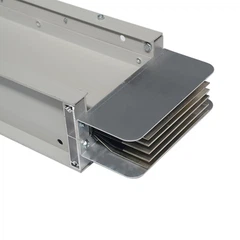
In a bus duct system, copper bars are typically arranged in a parallel configuration within an enclosure. This design provides a low - impedance path for the flow of electricity. The enclosure serves multiple purposes, including protecting the copper bars from environmental factors such as dust, moisture, and mechanical damage, as well as providing electrical insulation and safety.
High - Voltage Requirements and Challenges
High - voltage applications generally refer to systems operating at voltages above 1 kV. These systems require components that can withstand high electrical stresses, prevent electrical breakdown, and ensure reliable operation over long periods.
One of the main challenges in high - voltage applications is insulation. The insulation materials used in bus ducts must be able to withstand the high electric fields without breaking down. Additionally, the design of the bus duct must minimize the risk of partial discharges, which can lead to insulation degradation and ultimately, system failure.
Another challenge is heat dissipation. High - voltage systems often carry large currents, which generate heat. Efficient heat dissipation is crucial to prevent overheating of the copper bars and insulation materials, as excessive heat can reduce the lifespan of the components and affect the overall performance of the system.
Suitability of Copper Bus Ducts for High - Voltage Applications
Advantages
- High Conductivity: As mentioned earlier, copper's high conductivity allows for efficient power transmission in high - voltage systems. This means less power loss and better energy efficiency, which is particularly important in large - scale power distribution networks.
- Mechanical Strength: Copper has good mechanical properties, which enables it to withstand the mechanical stresses associated with high - voltage applications. The bus duct can be designed to be robust enough to handle vibrations, shocks, and other external forces.
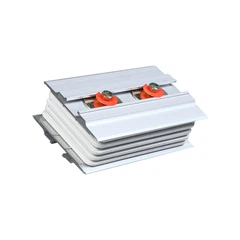
- Flexibility in Design: Copper bus ducts can be customized to meet the specific requirements of high - voltage applications. They can be manufactured in various shapes and sizes, and different configurations can be used to optimize the electrical performance and installation space. For example, the Busway Horizontal Elbow is a specialized component that can be used to change the direction of the bus duct in a high - voltage system.
Limitations
- Insulation Requirements: Meeting the insulation requirements for high - voltage applications can be challenging. Specialized insulation materials and manufacturing processes are often required, which can increase the cost of the bus duct.
- Cost: Copper is a relatively expensive material, and the cost of manufacturing high - voltage copper bus ducts can be significant. This may make them less competitive compared to other alternatives in some applications.
- Safety Concerns: High - voltage systems pose significant safety risks. Proper installation, maintenance, and protection measures must be in place to ensure the safety of personnel and equipment.
Practical Considerations
When considering using copper bus ducts in high - voltage applications, several practical factors need to be taken into account.
Installation
The installation of high - voltage copper bus ducts requires skilled technicians and strict adherence to safety standards. The bus duct must be installed in a clean, dry, and well - ventilated environment to ensure proper operation. Additionally, the installation process must be carefully planned to minimize the risk of damage to the insulation and copper bars.
Maintenance
Regular maintenance is essential for the reliable operation of high - voltage copper bus ducts. This includes inspecting the insulation for signs of degradation, checking the connections for tightness, and monitoring the temperature of the copper bars. Any issues detected during maintenance should be addressed promptly to prevent system failures.


Compatibility
The copper bus duct must be compatible with other components in the high - voltage system, such as transformers, switchgear, and protective devices. Compatibility issues can lead to poor performance, increased power loss, and even system failures.
Comparison with Other Alternatives
In high - voltage applications, there are other alternatives to copper bus ducts, such as cable systems. Cable systems are often more flexible in terms of installation and can be used in a wider range of environments. However, they may have higher power losses and lower current - carrying capacities compared to copper bus ducts.
On the other hand, aluminum bus ducts are another alternative. Aluminum is less expensive than copper, but it has a lower conductivity. This means that aluminum bus ducts may require larger cross - sectional areas to carry the same amount of current as copper bus ducts, which can increase the size and weight of the system.
Conclusion
In conclusion, copper bus ducts can be used in high - voltage applications, but they come with their own set of advantages and limitations. Their high conductivity, mechanical strength, and flexibility in design make them a viable option for many high - voltage systems. However, the challenges related to insulation, cost, and safety must be carefully considered.
If you are considering using copper bus ducts in your high - voltage application, I encourage you to reach out to us. Our team of experts can provide you with detailed information, customized solutions, and technical support. We have extensive experience in supplying Low Voltage Bus Duct and Rising Mains Bus Duct for various applications, and we are confident that we can meet your high - voltage requirements. Contact us today to start a discussion about your project and explore the possibilities of using copper bus ducts in your high - voltage system.
References
- Electrical Power Systems Quality by Roger C. Dugan, Mark F. McGranaghan, and Surya Santoso.
- High - Voltage Engineering: Fundamentals by E. Kuffel, W. S. Zaengl, and J. Kuffel.
Send Inquiry