

Can a busway connector be used in a low - temperature environment?
Nov 25, 2025
Leave a message
As a supplier of busway connectors, I often get asked a bunch of questions from customers. One question that pops up quite a bit is, "Can a busway connector be used in a low - temperature environment?" Well, let's dig into this topic and find out.
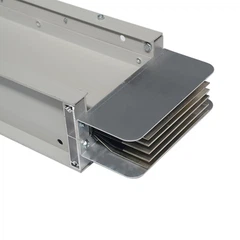
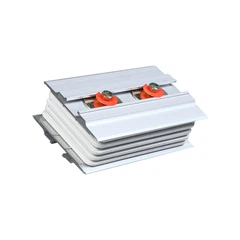
First off, let's understand what a busway connector is. It's a crucial part in electrical power distribution systems. It connects different sections of busways, allowing the smooth flow of electricity. Think of it as the bridge that keeps the electrical current moving from one point to another.
Now, when it comes to low - temperature environments, things can get a bit tricky. Low temperatures can have a significant impact on the performance and durability of electrical components, and busway connectors are no exception.
Effects of Low Temperatures on Busway Connectors
Material Properties
Most busway connectors are made of metals like copper or aluminum. These metals have specific physical properties that change with temperature. At low temperatures, metals tend to become more brittle. This means they're more likely to crack or break under stress. For example, if there's any vibration or mechanical shock in the system, a brittle connector might not be able to withstand it as well as it would at normal temperatures.
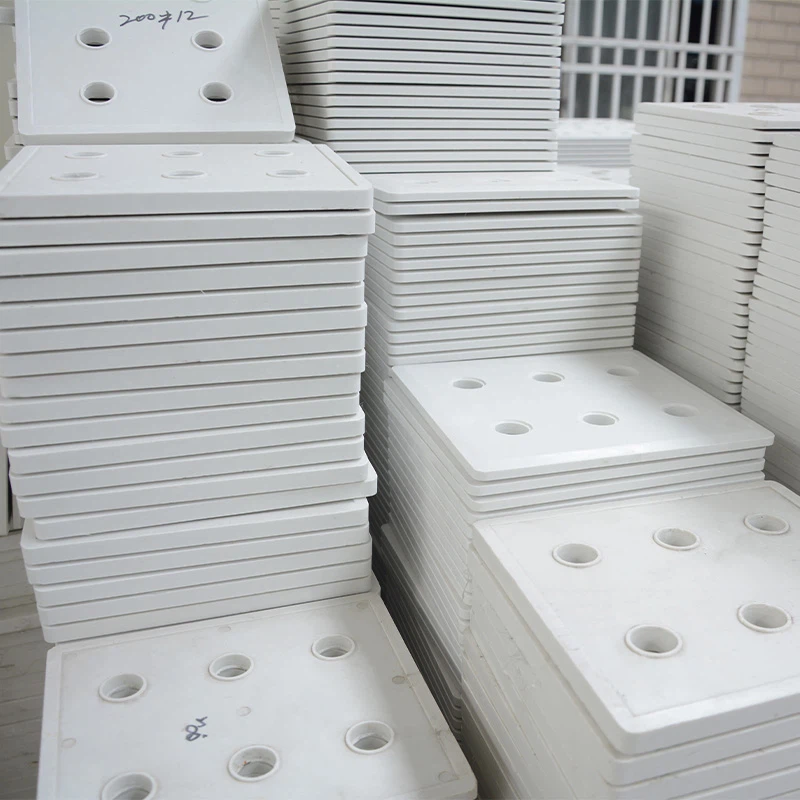
The insulation materials used in busway connectors are also affected. Many insulation materials become stiffer in cold conditions. This stiffness can lead to cracks in the insulation, which is a big no - no. Cracks in the insulation can expose the conductive parts of the connector, increasing the risk of electrical short - circuits and other safety hazards. You can learn more about the insulation plates used in busway connectors here: Busway Connector Insulation Plate.
Contact Resistance
Contact resistance is another important factor. In a busway connector, good electrical contact between the conductive parts is essential for efficient power transmission. At low temperatures, the contact surfaces of the connector may contract. This contraction can cause the contact pressure to change, which in turn can increase the contact resistance. Higher contact resistance means more power is lost as heat, reducing the overall efficiency of the electrical system. And if the heat build - up is significant, it can further damage the connector and other components in the system.
Thermal Cycling
In some low - temperature environments, there may be significant temperature variations. This is known as thermal cycling. When the temperature goes up and down repeatedly, the materials in the busway connector expand and contract. This constant expansion and contraction can cause mechanical stress on the connector. Over time, this stress can lead to loosening of the connections, wear and tear, and eventually, failure of the connector.
Can Busway Connectors Be Used in Low - Temperature Environments?
The answer is yes, but with some considerations.
Special Design and Materials
Some busway connectors are specifically designed for low - temperature use. These connectors are made with materials that are more resistant to the effects of cold. For example, they may use special alloys of copper or aluminum that are less brittle at low temperatures. The insulation materials used are also formulated to remain flexible and maintain their insulating properties in cold conditions.
Proper Installation and Maintenance
Even if you have a connector designed for low - temperature use, proper installation is crucial. The connectors need to be installed correctly to ensure good contact and mechanical stability. Regular maintenance is also important. Inspections should be carried out to check for any signs of damage, such as cracks in the insulation or loosening of the connections.
Environmental Protection
In some cases, it may be necessary to provide additional environmental protection for the busway connectors. This could include using enclosures that can keep the connectors at a more stable temperature. For example, a heated enclosure can prevent the connectors from getting too cold, reducing the risk of temperature - related problems.

Other Busway Accessories for Low - Temperature Environments
Apart from the busway connectors themselves, there are other accessories that can play a role in ensuring the proper functioning of the busway system in low - temperature environments.
Busway Spring Support
The Busway Spring Support is one such accessory. In low - temperature conditions, the mechanical properties of the busway system can change. The spring support can help to absorb any vibrations and movements in the system, reducing the stress on the connectors. It can also help to maintain the proper alignment of the busway sections, which is important for efficient power transmission.
Flexible Busduct
Flexible busducts, like the ones described here: Flexible Busduct, can also be beneficial. They can accommodate some of the movement and expansion/contraction that occurs due to temperature changes. This flexibility can help to reduce the stress on the connectors and other components in the system.
Conclusion
So, to sum it up, busway connectors can be used in low - temperature environments, but it's not as simple as just using a regular connector. Special design, proper installation, maintenance, and sometimes additional environmental protection are all necessary to ensure the reliable and safe operation of the busway system.
If you're in the market for busway connectors or related accessories for low - temperature applications, I'd love to have a chat with you. We have a wide range of products that are designed to meet the needs of different environments. Whether you need a connector that can withstand extreme cold or just want to make sure your busway system is running efficiently, we can help. Feel free to reach out and let's start a conversation about your specific requirements.
References
- Electrical Power Distribution Handbook
- Manufacturer's guides for busway connectors and related accessories
Send Inquiry