

What materials are used to make waterproof busbars?
Jan 14, 2026
Leave a message
In the realm of electrical power distribution, waterproof busbars play a crucial role, especially in environments where exposure to moisture, water, or harsh weather conditions is a concern. As a dedicated waterproof busbar supplier, I am well - versed in the various materials used to manufacture these essential components. In this blog, I will delve into the materials that are commonly employed to make waterproof busbars, highlighting their properties, advantages, and applications.
Copper
Copper is one of the most widely used materials for busbars, including waterproof ones. It is highly conductive, which means it can efficiently carry electrical current with minimal power loss. The electrical conductivity of copper is second only to silver, making it an ideal choice for applications where high - current transmission is required.
One of the key advantages of copper in waterproof busbars is its excellent corrosion resistance. When properly treated and protected, copper can withstand exposure to water and moisture without significant degradation. For example, copper can be coated with a thin layer of tin or nickel to enhance its corrosion resistance. This coating acts as a barrier between the copper and the surrounding environment, preventing oxidation and other forms of corrosion.
Copper is also a very malleable and ductile material. This allows for easy fabrication of busbars into various shapes and sizes to meet different installation requirements. Whether it's a simple straight busbar or a complex curved one, copper can be easily formed using standard manufacturing processes such as bending, punching, and cutting.
In addition, copper has a relatively high melting point, which provides good thermal stability. In high - current applications, busbars can generate a significant amount of heat. The high melting point of copper ensures that the busbar can withstand the heat without melting or deforming, maintaining its electrical performance and safety.
Aluminum
Aluminum is another popular material for waterproof busbars. It is much lighter than copper, which makes it easier to handle and install, especially in large - scale electrical systems. This weight advantage also reduces the structural load on the supporting infrastructure.
Aluminum has good electrical conductivity, although it is lower than that of copper. However, with proper design and sizing, aluminum busbars can still effectively carry the required electrical current. In fact, in some applications where cost is a major consideration, aluminum busbars are a more economical alternative to copper.
Similar to copper, aluminum can be protected against corrosion. Anodizing is a common surface treatment method for aluminum busbars. Anodizing creates a hard, protective oxide layer on the surface of the aluminum, which enhances its corrosion resistance and durability. This oxide layer also provides a degree of electrical insulation, which can be beneficial in certain applications.
Aluminum is also a highly recyclable material, which makes it an environmentally friendly choice. As the demand for sustainable electrical solutions increases, the use of aluminum in busbars is likely to become even more widespread.
Insulating Materials
In addition to the conductive materials (copper and aluminum), insulating materials are also essential for making waterproof busbars. These materials are used to separate the conductive parts of the busbar from each other and from the surrounding environment, preventing electrical short - circuits and ensuring safety.
Epoxy Resin
Epoxy resin is a commonly used insulating material for waterproof busbars. It has excellent electrical insulation properties, high mechanical strength, and good chemical resistance. Epoxy resin can be cast around the conductive busbar to form a solid, waterproof enclosure. This enclosure not only protects the busbar from moisture and water but also provides mechanical support and protection against physical damage.
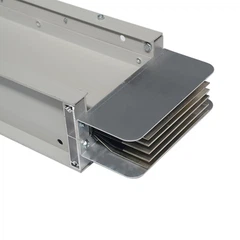
The Cast Resin Busduct is a prime example of the application of epoxy resin in busbar systems. It uses epoxy resin to encapsulate the conductive busbars, creating a reliable and waterproof electrical distribution solution. The epoxy resin can be formulated to have different properties, such as high - temperature resistance, flame retardancy, and UV resistance, depending on the specific application requirements.
Silicone Rubber
Silicone rubber is another popular insulating material for waterproof busbars. It has excellent flexibility, which allows it to conform to the shape of the busbar easily. Silicone rubber also has good weather resistance, high - temperature stability, and electrical insulation properties.
Silicone rubber can be used as a coating or a sleeve around the busbar to provide waterproofing and insulation. For example, in some outdoor electrical installations, silicone rubber sleeves are used to protect the busbars from rain, snow, and other environmental factors. The flexibility of silicone rubber also makes it suitable for applications where the busbar may be subject to vibration or movement.
Polyvinyl Chloride (PVC)
PVC is a widely used plastic material that is also used as an insulating material for busbars. It is relatively inexpensive, easy to process, and has good electrical insulation properties. PVC can be extruded or molded into various shapes to form insulating covers or jackets for busbars.
However, PVC has some limitations. It has a relatively low temperature resistance, which means it may not be suitable for high - temperature applications. In addition, PVC may release harmful chemicals when burned, so it may not be the best choice for applications where fire safety is a major concern.


Other Materials and Components
Gaskets and Seals
Gaskets and seals are important components in waterproof busbars. They are used to prevent water and moisture from entering the busbar enclosure. Materials such as rubber, neoprene, and EPDM (ethylene propylene diene monomer) are commonly used for gaskets and seals. These materials have good elasticity and sealing properties, which can effectively seal the joints and connections of the busbar system.
Coating Materials
In addition to the surface treatments mentioned above (such as tin - plating for copper and anodizing for aluminum), other coating materials can also be used to enhance the waterproofing and corrosion resistance of busbars. For example, polyurethane coatings can be applied to the busbar surface to provide a durable, waterproof layer. These coatings can also improve the aesthetic appearance of the busbar.
Applications of Waterproof Busbars
Waterproof busbars are used in a wide range of applications, including:
- Marine and Offshore Installations: In ships, oil rigs, and other marine structures, waterproof busbars are essential for electrical power distribution. They need to withstand the harsh marine environment, including saltwater, high humidity, and strong winds.
- Outdoor Electrical Substations: Outdoor substations are exposed to various weather conditions, such as rain, snow, and extreme temperatures. Waterproof busbars ensure reliable electrical power transmission in these environments.
- Industrial Facilities: In industries where water or moisture is present, such as food processing plants, chemical plants, and wastewater treatment facilities, waterproof busbars are used to prevent electrical failures and ensure the safety of the electrical system.
Conclusion
As a waterproof busbar supplier, I understand the importance of using the right materials to ensure the performance, reliability, and safety of the busbars. Copper and aluminum are the main conductive materials, each with its own advantages and applications. Insulating materials such as epoxy resin, silicone rubber, and PVC play a crucial role in protecting the conductive parts and preventing electrical short - circuits. Gaskets, seals, and coating materials further enhance the waterproofing and corrosion resistance of the busbars.
If you are in need of high - quality waterproof busbars for your electrical project, whether it's a small - scale installation or a large - scale industrial application, I would be more than happy to discuss your requirements and provide you with the best solutions. Contact me to start a procurement discussion and find the most suitable waterproof busbar for your needs.
References
- Grover, N. (2010). Elements of Mechanical Engineering. New Age International.
- Fitzgerald, A. E., Kingsley, C., Jr., & Umans, S. D. (2003). Electric Machinery. McGraw - Hill.
- ASM Handbook Committee. (1990). ASM Handbook Volume 1: Properties and Selection: Irons, Steels, and High - Performance Alloys. ASM International.
Send Inquiry