

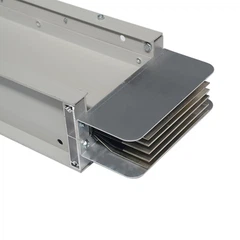
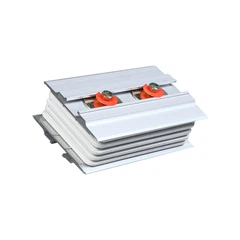
What materials are used in a fire - resistant busway?
Aug 13, 2026
Leave a message
As a supplier of fire-resistant busways, I'm often asked about the materials used in these crucial electrical distribution components. Fire-resistant busways play a vital role in ensuring the safety and reliability of electrical systems, especially in high-risk environments such as commercial buildings, industrial facilities, and public infrastructure. In this blog post, I'll delve into the various materials commonly used in fire-resistant busways, their properties, and how they contribute to the overall performance of these systems.
Conductors
The conductors in a fire-resistant busway are responsible for carrying electrical current from the power source to the connected loads. Copper and aluminum are the two most commonly used materials for conductors due to their excellent electrical conductivity.
Copper Conductors
Copper is a popular choice for fire-resistant busway conductors due to its high electrical conductivity, which allows for efficient power transmission with minimal energy loss. It also has good thermal conductivity, which helps to dissipate heat generated during normal operation. Additionally, copper is highly resistant to corrosion, ensuring long-term reliability in various environmental conditions.
Aluminum Conductors
Aluminum is another option for busway conductors. It is lighter and less expensive than copper, which can result in cost savings for larger installations. However, aluminum has a lower electrical conductivity compared to copper, which means that larger cross-sectional areas are required to carry the same amount of current. To compensate for this, aluminum conductors are often alloyed with other metals to improve their conductivity and mechanical properties.
Insulation Materials
Insulation materials are used to separate the conductors from each other and from the busway enclosure, preventing electrical short circuits and ensuring the safety of the system. In fire-resistant busways, insulation materials must not only provide electrical insulation but also maintain their integrity and insulating properties under fire conditions.
Ceramic Fiber Insulation
Ceramic fiber insulation is a popular choice for fire-resistant busways due to its excellent thermal insulation properties and high temperature resistance. It is made from inorganic fibers that can withstand temperatures up to 1260°C (2300°F), making it ideal for use in fire-rated applications. Ceramic fiber insulation also has low thermal conductivity, which helps to reduce heat transfer and maintain the temperature of the conductors within safe limits during a fire.
Mineral Insulation
Mineral insulation, such as magnesium oxide (MgO), is another common insulation material used in fire-resistant busways. It offers excellent electrical insulation properties and high temperature resistance, with a melting point of around 2800°C (5072°F). Mineral insulation is also non-combustible and does not produce toxic gases when exposed to fire, making it a safe choice for use in enclosed spaces.
Enclosure Materials
The enclosure of a fire-resistant busway provides physical protection for the conductors and insulation, as well as shielding against electromagnetic interference. It also plays a crucial role in containing the fire and preventing the spread of flames and smoke.
Steel Enclosure
Steel is a widely used material for busway enclosures due to its strength, durability, and fire resistance. It can withstand high temperatures and mechanical stresses, providing reliable protection for the internal components of the busway. Steel enclosures are often coated with a fire-resistant paint or finish to enhance their fire performance.
Stainless Steel Enclosure
Stainless steel is another option for busway enclosures, especially in applications where corrosion resistance is a concern. It offers similar strength and fire resistance properties as steel, but with better resistance to rust and oxidation. Stainless steel enclosures are commonly used in outdoor or harsh environmental conditions.
Fire-Resistant Coatings
In addition to the materials used in the conductors, insulation, and enclosure, fire-resistant busways may also be coated with special fire-resistant paints or coatings. These coatings are designed to provide an additional layer of protection against fire by forming a char layer when exposed to high temperatures. The char layer acts as a barrier, preventing the spread of flames and reducing heat transfer to the underlying materials.
Impact of Materials on Busway Performance
The choice of materials used in a fire-resistant busway has a significant impact on its performance and reliability. High-quality materials with excellent electrical and thermal properties ensure efficient power transmission and minimize the risk of electrical failures. Fire-resistant materials, on the other hand, help to maintain the integrity of the busway during a fire, allowing for continued operation of critical electrical systems and providing valuable time for evacuation and fire suppression.
Our Product Offerings
As a leading supplier of fire-resistant busways, we offer a wide range of products designed to meet the diverse needs of our customers. Our 3-Phase Fire-Resistant Busway is suitable for use in three-phase electrical systems, providing reliable power distribution in commercial and industrial applications. Our Fireproof Bus Duct is designed to withstand high temperatures and prevent the spread of fire, making it ideal for use in fire-rated partitions and enclosures. We also offer Fire-Resistant Busduct Elbow for easy installation and routing of busways in tight spaces.
Conclusion
In conclusion, the materials used in a fire-resistant busway are carefully selected to ensure its performance, reliability, and fire safety. Conductors, insulation materials, enclosure materials, and fire-resistant coatings all play important roles in the overall functionality of the busway. By choosing high-quality materials and products, you can ensure the long-term safety and efficiency of your electrical distribution system.
If you're interested in learning more about our fire-resistant busway products or have any questions about the materials used in our busways, please don't hesitate to contact us. Our team of experts is ready to assist you with your procurement needs and provide you with the best solutions for your application.


References
- Electrical Safety Foundation International. (n.d.). Electrical Distribution Systems: Busways. Retrieved from [Link to relevant page on ESFI website]
- National Fire Protection Association. (2017). NFPA 130: Standard for Fixed Guideway Transit and Passenger Rail Systems.
- Underwriters Laboratories. (n.d.). UL 1821: Standard for Fire-Resistive Busways.
Send Inquiry