

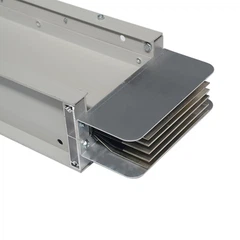
What is the rated current of outdoor bus duct?
Dec 26, 2025
Leave a message
As a reputable supplier of Outdoor Bus Duct, I often encounter inquiries about the rated current of these essential electrical components. Understanding the rated current of outdoor bus ducts is crucial for ensuring the safe and efficient operation of electrical systems in various outdoor applications. In this blog post, I will delve into the concept of rated current, factors influencing it, and how it relates to our high - quality outdoor bus ducts.
What is Rated Current?
The rated current of an outdoor bus duct is the maximum continuous current that the bus duct can carry under specified conditions without exceeding its temperature rise limits. Temperature rise is a critical factor because excessive heat can degrade the insulation materials, reduce the lifespan of the bus duct, and even pose a safety hazard such as fire. The rated current is typically specified by the manufacturer based on comprehensive testing and engineering calculations.
Factors Influencing the Rated Current of Outdoor Bus Ducts
Conductor Material and Size
The material and cross - sectional area of the conductors in the bus duct have a significant impact on the rated current. Copper and aluminum are the most commonly used conductor materials. Copper has a higher electrical conductivity than aluminum, which means that for the same cross - sectional area, a copper conductor can carry more current with less resistance and heat generation.
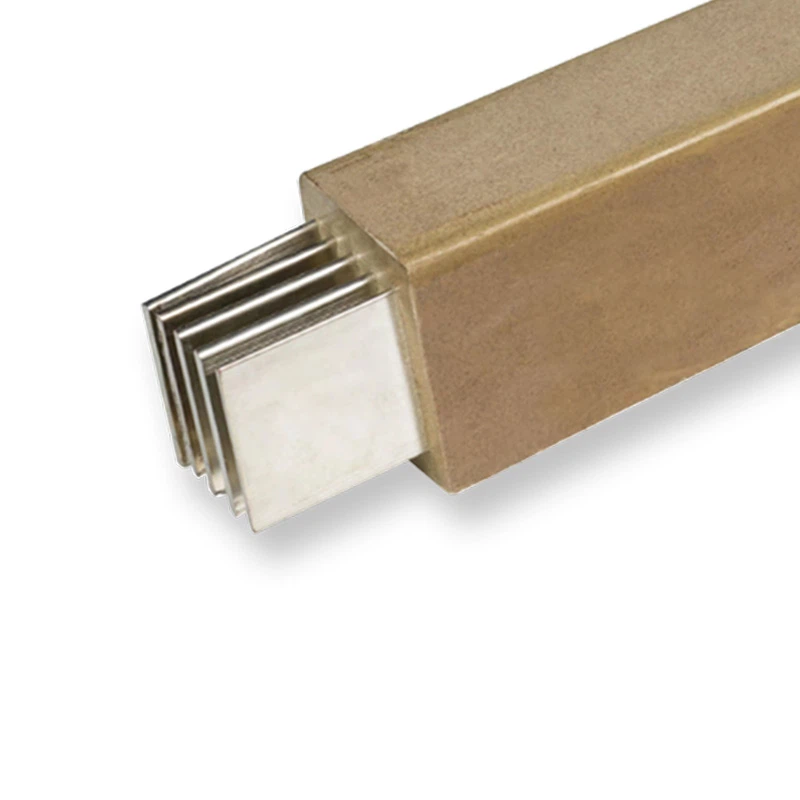
Larger cross - sectional areas of the conductors also allow for higher rated currents. A bus duct with thicker conductors can handle more electrons flowing through it, reducing the current density and thus the heat produced. For example, our New Generation Cast Resin Busway uses high - quality copper conductors with optimized cross - sectional areas to achieve high rated currents while maintaining low resistance.
Insulation Material and Quality
The insulation material used in the bus duct serves to separate the conductors and prevent electrical short - circuits. Different insulation materials have different temperature ratings and dielectric properties. High - quality insulation materials can withstand higher temperatures without degrading, which allows the bus duct to carry more current.
Our outdoor bus ducts are designed with advanced insulation materials that have excellent thermal stability and electrical insulation properties. This enables them to operate safely at high currents, even in harsh outdoor environments. For instance, the insulation in our Dual - Conductor Cast Resin Busduct is engineered to provide reliable protection against electrical breakdown and thermal stress.
Ambient Temperature
The ambient temperature in the outdoor environment where the bus duct is installed is another important factor. Higher ambient temperatures make it more difficult for the bus duct to dissipate heat. As a result, the rated current of the bus duct may need to be derated.
For example, if a bus duct is rated for a certain current at an ambient temperature of 25°C, its rated current will be lower when the ambient temperature rises to 40°C. Our technical specifications for outdoor bus ducts take into account different ambient temperature conditions, and we can provide guidance on derating factors to ensure that the bus ducts operate safely in various climates.
Installation Conditions
The way the bus duct is installed can also affect its rated current. Proper ventilation around the bus duct is essential for heat dissipation. If the bus duct is installed in a confined space with poor ventilation, the heat generated during operation will accumulate, leading to a higher temperature rise.

In addition, the length of the bus duct run can also impact the current - carrying capacity. Longer bus ducts may have higher resistance, which can cause more heat to be generated. Our installation guidelines ensure that the bus ducts are installed in a way that maximizes heat dissipation and minimizes resistance, such as providing adequate spacing between bus ducts and ensuring proper ventilation.
Importance of Correctly Determining the Rated Current
Selecting the right rated current for an outdoor bus duct is of utmost importance. If the rated current is too low for the actual load requirements, the bus duct will overheat, leading to premature failure of the insulation and conductors. This can result in costly downtime, repairs, and even safety risks.
On the other hand, if the rated current is significantly higher than the actual load, it may lead to unnecessary costs. Over - sizing the bus duct means investing in a more expensive product with larger conductors and insulation, which may not be fully utilized.
Our Product Range and Rated Currents
We offer a wide range of outdoor bus ducts with different rated currents to meet the diverse needs of our customers. Our 3 - Phase Cast Resin Busduct is available in various configurations, with rated currents ranging from a few hundred amperes to several thousand amperes.
Before recommending a specific bus duct, our experienced technical team will work closely with you to understand your load requirements, installation environment, and other relevant factors. We will perform detailed calculations and simulations to ensure that the selected bus duct has the appropriate rated current for your application.
Conclusion
In conclusion, the rated current of outdoor bus ducts is a complex parameter that is influenced by multiple factors such as conductor material and size, insulation quality, ambient temperature, and installation conditions. As a leading supplier of outdoor bus ducts, we are committed to providing high - quality products with accurate rated current specifications.
If you are in need of outdoor bus ducts for your project, we invite you to contact us for a detailed consultation. Our team of experts will assist you in selecting the right bus duct with the appropriate rated current to ensure the safe and efficient operation of your electrical system. Whether you are working on a small - scale outdoor installation or a large - scale industrial project, we have the solutions to meet your needs.
References
- Electrical Installation Handbook, Schneider Electric
- National Electrical Code (NEC)
- IEEE Standards for Power Systems and Equipment
Send Inquiry