

How do copper bus ducts contribute to energy efficiency?
Dec 26, 2025
Leave a message
Hey there! As a supplier of copper bus ducts, I'm super stoked to dive into how these nifty pieces of equipment contribute to energy efficiency. So, let's get right into it.


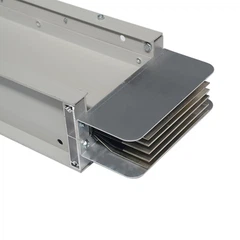
First off, what the heck are copper bus ducts? Well, they're basically a way to distribute electrical power. Instead of using a whole bunch of individual cables, a bus duct is a single unit that can carry a large amount of electrical current. It's like a highway for electricity, allowing it to flow smoothly from one place to another.
Now, let's talk about why copper is such a great material for bus ducts. Copper is an excellent conductor of electricity. This means that when electricity flows through a copper bus duct, there's less resistance. And less resistance is a big deal when it comes to energy efficiency.
You see, when there's resistance in an electrical circuit, some of the electrical energy gets converted into heat. It's like when you rub your hands together really fast - the friction creates heat. In an electrical system, that heat is wasted energy. With copper bus ducts, because there's less resistance, less energy is wasted as heat. This means that more of the electrical energy actually gets to where it's needed, like powering a factory or an office building.
Another cool thing about copper bus ducts is their durability. They can last for a really long time without needing much maintenance. This is important for energy efficiency because if you have to replace your electrical distribution system frequently, that's a lot of energy and resources going into manufacturing and installing new equipment. With copper bus ducts, you can count on them to keep working efficiently for years to come.
Let's take a look at some specific ways copper bus ducts contribute to energy efficiency in different settings.
Industrial Applications
In industrial settings, there's a huge demand for electrical power. Factories have all sorts of machinery that needs to be powered, and any energy savings can add up to big bucks. Copper bus ducts are ideal for these applications because they can handle high currents without overheating.
For example, a large manufacturing plant might use 4000a Bus Duct to distribute power to different areas of the factory. These high-capacity bus ducts can carry a massive amount of electrical current, and because they're made of copper, they do it efficiently. This means that the factory can run its machinery without wasting a lot of energy on heat generation.
Also, in industrial environments, there are often vibrations and movements. Copper bus ducts are designed to be sturdy and can withstand these conditions. This reduces the risk of damage to the electrical system, which could lead to power outages or inefficiencies.
Commercial Buildings
In commercial buildings like offices and shopping malls, energy efficiency is also a top priority. Copper bus ducts can help in these settings by providing a reliable and efficient way to distribute power.
For instance, a large office building might use Feeder Bus Duct to supply power to different floors and areas of the building. These feeder bus ducts can be customized to fit the specific needs of the building, ensuring that the electrical power is distributed evenly and efficiently.
Moreover, copper bus ducts are often more compact than traditional cable systems. This means that they take up less space in the building, which can be a big advantage, especially in areas where space is limited. And because they're more compact, there's less need for large cable trays and conduits, which can also save on materials and installation costs.
Comparison with Aluminum Bus Ducts
You might be wondering how copper bus ducts compare to Aluminum Bus Duct. Aluminum is also a conductor of electricity, and it's often cheaper than copper. However, when it comes to energy efficiency, copper has the edge.
Aluminum has a higher resistance than copper. This means that for the same amount of current, an aluminum bus duct will generate more heat than a copper bus duct. As we mentioned earlier, that heat is wasted energy. So, even though aluminum bus ducts might be more affordable upfront, in the long run, you could end up spending more on energy costs.
Also, copper is more corrosion-resistant than aluminum. In environments where there's moisture or chemicals, copper bus ducts are less likely to corrode, which helps to maintain their efficiency over time.
Installation and Maintenance
Proper installation and maintenance are crucial for ensuring the energy efficiency of copper bus ducts. When installing copper bus ducts, it's important to follow the manufacturer's guidelines. This includes making sure that the connections are tight and that the bus ducts are properly grounded.
Regular maintenance is also important. This might involve checking for loose connections, inspecting for signs of damage or corrosion, and cleaning the bus ducts if necessary. By keeping the copper bus ducts in good condition, you can ensure that they continue to operate efficiently and that you're getting the most out of your energy investment.
Conclusion
In conclusion, copper bus ducts are a great choice for improving energy efficiency in a variety of settings. Their low resistance, durability, and ability to handle high currents make them an excellent option for distributing electrical power. Whether you're running an industrial plant, a commercial building, or any other type of facility that requires a reliable electrical supply, copper bus ducts can help you save energy and money.
If you're interested in learning more about how copper bus ducts can benefit your project or if you're ready to make a purchase, I'd love to have a chat with you. Feel free to reach out, and we can discuss your specific needs and find the right solution for you.
References
- Electrical Power Distribution Handbook
- Industrial Electrical Systems: Design and Installation Guide
Send Inquiry