

What is the performance of outdoor bus duct in cold environments?
Sep 24, 2025
Leave a message
In the realm of electrical power distribution, outdoor bus ducts play a pivotal role, especially when it comes to ensuring a stable and efficient flow of electricity in various environments. As a leading outdoor bus duct supplier, we have witnessed firsthand the challenges and opportunities presented by different weather conditions. One of the most demanding environments for outdoor bus ducts is the cold. In this blog, we will explore the performance of outdoor bus ducts in cold environments, shedding light on the key factors that affect their operation and how our products are designed to excel in such conditions.
Thermal Contraction and Expansion
Cold environments bring about significant temperature variations, which can lead to thermal contraction and expansion of materials. Outdoor bus ducts are typically made of metals and insulating materials, both of which are susceptible to these thermal effects. Metals contract as the temperature drops, and if not properly accounted for, this can lead to mechanical stress on the bus duct components. For example, the connections between bus bars may become loose over time due to repeated contraction and expansion cycles. This can result in increased resistance at the connection points, leading to higher power losses and potential overheating.
Our outdoor bus ducts are engineered with expansion joints and flexible connections to accommodate thermal movements. These features allow the bus duct to expand and contract without causing damage to the structure or compromising the electrical connections. By ensuring a secure and stable connection, we minimize the risk of power losses and overheating, even in the face of extreme temperature variations.
Insulation Performance
Insulation is a critical aspect of outdoor bus duct performance, as it prevents electrical leakage and ensures the safety of the system. In cold environments, the insulation properties of materials can change significantly. Some insulating materials may become more brittle at low temperatures, increasing the risk of cracking or damage. This can lead to a decrease in insulation resistance and potentially pose a safety hazard.
We use high-quality insulating materials that are specifically designed to maintain their performance in cold conditions. Our Waterproof Busbar features an epoxy resin casting that provides excellent insulation properties even at low temperatures. The epoxy resin is resistant to cracking and degradation, ensuring long-term reliability and safety. Additionally, our insulation materials are tested to meet strict industry standards, guaranteeing their performance in harsh environments.
Moisture and Condensation
Cold environments often come with high humidity levels, which can lead to moisture accumulation and condensation on the surface of the bus duct. Moisture can penetrate the insulation and cause electrical short circuits, corrosion, and other damage. Condensation can also form inside the bus duct, especially if there are temperature differences between the inside and outside of the enclosure.
To prevent moisture ingress, our outdoor bus ducts are designed with a waterproof and dustproof enclosure. The enclosure is sealed to prevent water and dust from entering, protecting the internal components from damage. Our Dual-Conductor Cast Resin Busduct features a hermetically sealed design that eliminates the risk of moisture penetration. Additionally, we use moisture-resistant materials and coatings to further enhance the protection against moisture and corrosion.
Ice and Snow Load
In regions with heavy snowfall, outdoor bus ducts may be subjected to significant ice and snow loads. The weight of the ice and snow can put stress on the bus duct structure, potentially leading to deformation or collapse. Ice formation on the surface of the bus duct can also cause damage to the insulation and electrical connections.
Our outdoor bus ducts are designed to withstand high ice and snow loads. The structure is reinforced to provide additional strength and stability, ensuring that the bus duct can support the weight of the ice and snow without damage. We also offer optional heating systems to prevent ice formation on the surface of the bus duct, further enhancing its performance in cold and snowy conditions.
Electrical Performance
The electrical performance of outdoor bus ducts can be affected by cold environments in several ways. In addition to the factors mentioned above, low temperatures can also increase the resistance of the conductors, leading to higher power losses. This can result in a decrease in the efficiency of the electrical system and an increase in energy costs.
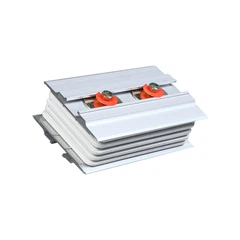
Our outdoor bus ducts are designed to minimize power losses and maximize efficiency. We use high-conductivity conductors and optimize the design of the bus duct to reduce resistance. Our Cast Resin Busduct Feeder Unit features a compact and efficient design that minimizes the length of the conductors, reducing power losses and improving overall performance. Additionally, our bus ducts are tested to ensure their electrical performance meets or exceeds industry standards, even in cold environments.
Conclusion
In conclusion, the performance of outdoor bus ducts in cold environments is influenced by several factors, including thermal contraction and expansion, insulation performance, moisture and condensation, ice and snow load, and electrical performance. As a leading outdoor bus duct supplier, we understand the challenges posed by cold environments and have developed innovative solutions to address these issues. Our outdoor bus ducts are designed to provide reliable and efficient performance in even the most demanding conditions, ensuring the safety and stability of your electrical system.


If you are looking for high-quality outdoor bus ducts that can withstand the challenges of cold environments, we invite you to contact us for a consultation. Our team of experts will work with you to understand your specific requirements and recommend the best solution for your application. We look forward to the opportunity to serve you and help you achieve your electrical power distribution goals.
References
- IEEE Standard for Metal-Enclosed Bus, IEEE Std 515-2018
- International Electrotechnical Commission (IEC) standards for busways
- Manufacturer's technical documentation for outdoor bus duct products
Send Inquiry