

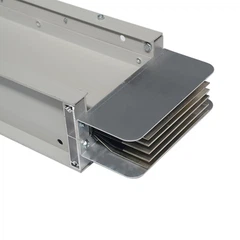
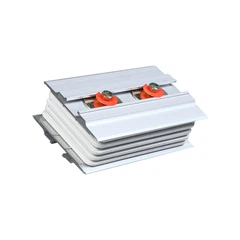
What is the insulation resistance of a busway junction?
Sep 21, 2026
Leave a message
Hey there! As a supplier of Busway Junctions, I often get asked about the insulation resistance of these crucial components. So, let's dive right into it and break down what insulation resistance of a busway junction really means.
What is Insulation Resistance?
Insulation resistance is a measure of how well the insulating material in a busway junction can prevent the flow of electric current. In simple terms, it's like a barrier that stops electricity from leaking out where it shouldn't. You can think of it as a protective shield for your electrical system. A high insulation resistance means that the insulation is doing its job effectively, keeping the current flowing through the intended path and reducing the risk of electrical faults, short - circuits, and even fires.
Why is Insulation Resistance Important for Busway Junctions?
Busway junctions are key parts of an electrical distribution system. They connect different sections of the busway, allowing electricity to flow smoothly from one part of a building or facility to another. If the insulation resistance of a busway junction is low, it can lead to a whole bunch of problems.
First off, low insulation resistance can cause electrical leakage. This not only wastes energy but can also pose a safety hazard. Electrical leakage can result in electric shocks to people who come into contact with the busway or its surroundings. Moreover, it can lead to overheating of the busway, which can damage the insulation further and potentially cause a short - circuit. A short - circuit can disrupt the power supply, damage electrical equipment, and even start a fire.
Measuring Insulation Resistance
Measuring the insulation resistance of a busway junction is a relatively straightforward process, but it requires the right tools. A megohmmeter, also known as a megger, is commonly used for this purpose.
To measure the insulation resistance, you first need to make sure that the busway is de - energized. This is crucial for your safety. Once the power is off, you connect the leads of the megohmmeter to the appropriate points on the busway junction. The megohmmeter then applies a test voltage and measures the resistance. The result is usually given in megohms (MΩ).
Factors Affecting Insulation Resistance
Several factors can affect the insulation resistance of a busway junction.
Environmental Conditions: Moisture is one of the biggest enemies of insulation resistance. If the busway junction is installed in a damp or humid environment, the moisture can seep into the insulation material, reducing its resistance. High temperatures can also have a negative impact. As the temperature rises, the insulation material can degrade, leading to a decrease in insulation resistance.
Age and Wear: Over time, the insulation material in a busway junction can wear out. Exposure to electrical stress, mechanical stress, and environmental factors can cause the insulation to crack, break, or become brittle. This can significantly reduce the insulation resistance.
Installation Quality: If the busway junction is not installed correctly, it can also affect the insulation resistance. For example, if the insulation is damaged during installation or if the connections are not tight, it can lead to a decrease in insulation resistance.


Our Busway Junctions and Insulation Resistance
At our company, we take insulation resistance very seriously. We use high - quality insulation materials in our busway junctions to ensure a high level of insulation resistance. Our products are designed and manufactured to meet strict quality standards.
We also provide detailed installation instructions to ensure that our busway junctions are installed correctly. This helps to maintain the insulation resistance and ensure the long - term performance of our products.
Related Products
If you're interested in other related products, we have some great options. Check out our Bus Duct Flange, which is an important component for connecting different sections of the busway. We also offer 3 Phase Busbar Trunking, which is a reliable solution for distributing electrical power. And for low - voltage applications, our Low Voltage Bus Duct is a great choice.
Conclusion
In conclusion, the insulation resistance of a busway junction is a critical factor in the safety and performance of an electrical distribution system. A high insulation resistance ensures that the electricity flows through the intended path, reducing the risk of electrical faults and safety hazards.
If you're in the market for high - quality busway junctions with excellent insulation resistance, we're here to help. Whether you're working on a small project or a large - scale industrial installation, our products can meet your needs. Contact us to discuss your requirements and start a procurement conversation. We're looking forward to working with you!
References
- Electrical Installation Handbook, Schneider Electric
- National Electrical Code (NEC)
Send Inquiry