

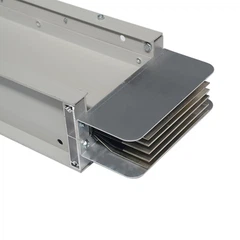
How to protect the insulation of a busway connector from moisture?
Sep 22, 2026
Leave a message
Hey there! As a supplier of busway connectors, I know firsthand the headaches that moisture can cause to the insulation of these crucial components. Moisture is like an invisible villain that can sneak into the insulation of busway connectors, causing all sorts of problems such as corrosion, reduced electrical performance, and even short circuits. So, let's dive into some practical ways to protect that precious insulation from moisture.
Understanding the Risks of Moisture
Before we jump into the solutions, let's understand why moisture is such a big deal. Water is a conductor of electricity. When it seeps into the insulation of a busway connector, it can break down the insulating material over time. This breakdown leads to a lower dielectric strength, which means the insulation is less effective at preventing the flow of electricity where it shouldn't go. Moreover, moisture can cause corrosion of the metal parts within the connector, further degrading its performance and lifespan.
Environment: Control is Key
The environment where the busway connector is installed plays a huge role in moisture protection. One of the simplest yet most effective ways is to control the humidity levels in the installation area. You can use dehumidifiers in enclosed spaces like electrical rooms. These devices work by removing excess moisture from the air, creating a drier environment that's less likely to cause problems for the insulation.
Another aspect of environmental control is proper ventilation. Good ventilation helps to circulate air, preventing the buildup of humid air pockets. Make sure that the area around the busway connector has adequate air movement. You can install fans or vents to improve air circulation. Just be careful, though, that the incoming air is not itself humid. If you're in a coastal area or a place with high natural humidity, you might need to filter or dehumidify the incoming air.
Quality Insulation Materials
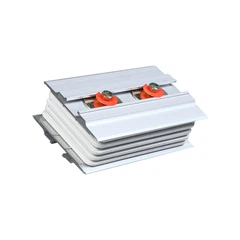
Using high - quality insulation materials is a no - brainer. At our company, we offer top - notch Busway Connector Insulation Plate that are designed to resist moisture. These plates are made from materials that have low water absorption rates, which means they won't soak up moisture easily.


When you're choosing insulation materials, look for properties like high dielectric strength and good chemical resistance. Materials such as certain types of plastics and rubber compounds are known for their moisture - resistant qualities. They can form a strong barrier between the conductive parts of the busway connector and the surrounding environment, protecting the insulation from moisture damage.
Sealing and Enclosures
Sealing the busway connector properly is another important step. You can use gaskets and seals to prevent moisture from getting inside the connector. These gaskets are made from rubber or other flexible materials that can create a tight seal around the edges of the connector. Make sure to choose gaskets that are compatible with the insulation material and the environment in which the connector will be used.
In addition to gaskets, consider using enclosures. A well - designed enclosure can provide an extra layer of protection against moisture. There are different types of enclosures available, such as NEMA - rated enclosures. These enclosures are designed to meet specific standards for protection against environmental factors, including moisture. They can be made from materials like stainless steel or fiberglass, which are resistant to corrosion and can keep moisture out.
Regular Inspections and Maintenance
You can't just install the busway connector and forget about it. Regular inspections and maintenance are crucial. Check the insulation for any signs of moisture damage, such as discoloration, swelling, or a change in texture. If you notice any of these signs, it's important to take action immediately.
During inspections, also check the seals and gaskets for any signs of wear or damage. If a seal is broken or a gasket is worn out, it won't be able to keep moisture out effectively. Replace any damaged components as soon as possible.
It's also a good idea to clean the busway connector regularly. Dust and dirt can trap moisture, so keeping the connector clean can help prevent moisture - related problems. Use a dry, clean cloth to wipe down the connector, and make sure to clean any hard - to - reach areas.
Protective Coatings
Applying protective coatings to the insulation can provide an additional layer of moisture protection. There are various types of coatings available, such as epoxy coatings and silicone coatings. These coatings can form a thin, waterproof layer on the surface of the insulation, preventing moisture from penetrating.
When applying a coating, make sure to follow the manufacturer's instructions carefully. The surface of the insulation needs to be clean and dry before applying the coating. Also, ensure that the coating is applied evenly to avoid any weak spots.
Using Moisture - Resistant Components
In addition to the insulation plate, other components of the busway connector can also be chosen for their moisture - resistant properties. For example, our Copper Busway Connector is made from high - quality copper that is treated to resist corrosion caused by moisture. Copper is a great conductor of electricity, and when it's properly protected, it can last a long time even in humid environments.
We also offer Flexible Copper Busbar that can be used in busway connectors. These busbars are flexible, which allows for easier installation, and they are also designed to be resistant to moisture. Using moisture - resistant components throughout the busway connector system can significantly reduce the risk of moisture damage.
Education and Training
Finally, it's important to educate the people who are involved in the installation, operation, and maintenance of the busway connector. Make sure they understand the risks associated with moisture and the importance of protecting the insulation. Provide training on how to properly install seals, enclosures, and coatings, as well as how to conduct regular inspections.
By empowering your team with the right knowledge and skills, you can ensure that the busway connectors are properly maintained and protected from moisture over their lifespan.
Get in Touch
If you're interested in our high - quality busway connectors and want to learn more about how we can help you protect the insulation from moisture, don't hesitate to reach out. We're here to answer any questions you have and assist you in finding the best solutions for your needs. Whether you're working on a small project or a large industrial installation, we've got the products and expertise to support you.
References
- Electrical Insulation Handbook, McGraw - Hill
- National Electrical Code (NEC)
- Standards for Busway Connectors by IEEE
Send Inquiry