

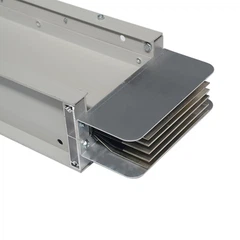
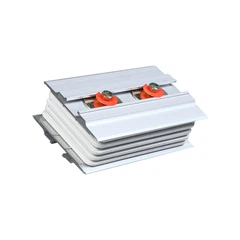
What is the insulation performance of flexible copper busbar?
Sep 17, 2025
Leave a message
Insulation performance is a critical factor when evaluating the effectiveness and safety of electrical components. As a supplier of Flexible Copper Busbar, I am often asked about the insulation characteristics of these products. In this blog, I will delve into the insulation performance of flexible copper busbars, exploring what it means, why it matters, and how we ensure high - quality insulation in our offerings.
What is Insulation Performance?
Insulation performance refers to the ability of a material or component to resist the flow of electric current. In the context of flexible copper busbars, insulation is crucial as it prevents electrical leakage, short - circuits, and protects users and equipment from electrical hazards. A well - insulated flexible copper busbar can maintain a stable electrical connection while keeping the current within the intended path.
The insulation performance of a flexible copper busbar is typically measured in terms of its dielectric strength, insulation resistance, and temperature resistance. Dielectric strength is the maximum electric field that an insulating material can withstand without breaking down and allowing current to flow through it. Insulation resistance measures the opposition to the flow of leakage current through the insulation. Temperature resistance, on the other hand, indicates how well the insulation can maintain its properties at different temperatures.
Why Insulation Performance Matters for Flexible Copper Busbars
Flexible copper busbars are widely used in various electrical applications, such as power distribution systems, electrical cabinets, and electronic devices. In these applications, reliable insulation is essential for several reasons.
Firstly, safety is a top priority. Poor insulation can lead to electrical shocks, fires, and damage to equipment. For example, if the insulation of a flexible copper busbar breaks down, it can cause a short - circuit, which may result in overheating and potentially start a fire. By ensuring high - quality insulation, we can minimize these risks and provide a safe working environment for users.
Secondly, insulation performance affects the efficiency of electrical systems. A well - insulated busbar reduces power losses due to leakage current. This means that more of the electrical energy is delivered to the intended load, resulting in lower energy consumption and cost savings.
Finally, insulation performance is related to the lifespan of the flexible copper busbar. Insulation materials can degrade over time due to factors such as temperature, humidity, and electrical stress. If the insulation performance is not up to par, the busbar may need to be replaced more frequently, increasing maintenance costs and downtime.
Factors Affecting the Insulation Performance of Flexible Copper Busbars
Several factors can influence the insulation performance of flexible copper busbars.


Material Selection
The choice of insulation material is of utmost importance. Common insulation materials for flexible copper busbars include PVC (Polyvinyl Chloride), silicone rubber, and epoxy resin. Each material has its own unique properties. PVC is cost - effective and has good mechanical properties, but it may have limited temperature resistance. Silicone rubber, on the other hand, offers excellent temperature resistance and flexibility, making it suitable for applications where the busbar may be subjected to high temperatures or bending. Epoxy resin provides high dielectric strength and chemical resistance, but it may be more brittle compared to other materials.
Manufacturing Process
The manufacturing process also plays a significant role in determining the insulation performance. During the production of flexible copper busbars, proper coating and curing of the insulation material are essential. Any defects in the coating, such as bubbles or uneven thickness, can compromise the insulation performance. Our manufacturing process follows strict quality control measures to ensure that the insulation is applied evenly and without defects.
Environmental Conditions
The environment in which the flexible copper busbar operates can have a major impact on its insulation performance. High temperatures, humidity, and exposure to chemicals or pollutants can all degrade the insulation material over time. For example, in a humid environment, moisture can penetrate the insulation and reduce its insulation resistance. To address these issues, we offer flexible copper busbars with insulation materials that are resistant to environmental factors.
Our Approach to Ensuring High - Quality Insulation Performance
As a supplier of Flexible Copper Busbar, we are committed to providing products with excellent insulation performance.
Rigorous Material Testing
We carefully select insulation materials from reputable suppliers and conduct thorough testing before using them in our products. Our testing includes evaluating the dielectric strength, insulation resistance, and temperature resistance of the materials. Only materials that meet our strict quality standards are used in the production of our flexible copper busbars.
Advanced Manufacturing Techniques
We use advanced manufacturing techniques to ensure the quality of the insulation. Our production process includes precise coating and curing steps to ensure that the insulation is evenly applied and firmly bonded to the copper busbar. We also have in - line quality control systems to detect and correct any potential defects during the manufacturing process.
Customized Solutions
We understand that different applications have different insulation requirements. That's why we offer customized solutions to meet the specific needs of our customers. Whether it's a high - temperature application or an environment with high humidity, we can recommend the most suitable insulation material and design for the flexible copper busbar.
Comparison with Other Copper Busbar Products
In addition to Flexible Copper Busbar, we also supply Tinned Copper Busbar and Copper Busway Connector. Each of these products has its own insulation characteristics.
Tinned copper busbars are often used in applications where corrosion resistance is important. The tin coating provides some protection against oxidation, but the insulation requirements are similar to those of flexible copper busbars. We ensure that the insulation on our tinned copper busbars is of high quality to prevent electrical leakage and ensure safety.
Copper busway connectors are used to connect different sections of busways. They require reliable insulation to maintain a stable electrical connection. Our copper busway connectors are designed with high - performance insulation materials to ensure proper functioning and safety.
Conclusion
In conclusion, the insulation performance of flexible copper busbars is a crucial aspect that affects the safety, efficiency, and lifespan of electrical systems. As a supplier, we take great care in ensuring that our products have excellent insulation performance through rigorous material testing, advanced manufacturing techniques, and customized solutions.
If you are in need of high - quality flexible copper busbars, tinned copper busbars, or copper busway connectors, we would be more than happy to discuss your requirements. Contact us to start a procurement negotiation and find the best solutions for your electrical applications.
References
- Grover, P. K. (1997). Underground Electric Power Transmission Systems Engineering. CRC Press.
- Westinghouse Electric Corporation. (1964). Electric Transmission and Distribution Reference Book. Westinghouse Electric Corporation.
- IEEE Standards Association. (2014). IEEE Guide for General Principles of Bus Design. IEEE.
Send Inquiry