

What explosion - proof requirements does Rising Mains Bus Duct need in explosive environments?
Sep 17, 2025
Leave a message
Hey there! I'm a supplier of Rising Mains Bus Ducts, and today I want to chat about the explosion - proof requirements these bad boys need in explosive environments.
First off, let's understand what an explosive environment is. It's basically a place where there's a risk of an explosion due to the presence of flammable gases, vapors, dusts, or fibers. Think of places like chemical plants, oil refineries, grain silos, and some mining areas. In these places, safety is super crucial, and that's where our Rising Mains Bus Ducts come in.
Construction Material Requirements
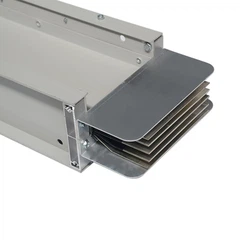
The materials used in the construction of Rising Mains Bus Ducts play a huge role in meeting explosion - proof requirements. For starters, the outer casing should be made of a robust and non - sparking material. Metals like aluminum or stainless steel are often great choices. Aluminum is lightweight, which makes installation easier, while stainless steel is highly resistant to corrosion, which is a big plus in harsh industrial environments.
The internal conductors, on the other hand, need to be made of high - quality copper or aluminum. Copper has excellent electrical conductivity, which means less energy loss during power transmission. Aluminum, though not as conductive as copper, is lighter and more cost - effective. The conductors should be well - insulated to prevent short - circuits, which could potentially lead to sparks and trigger an explosion.
Enclosure Design
The enclosure of the Rising Mains Bus Duct is like a protective shield. It needs to be designed in such a way that it can contain any internal explosion without allowing flames or hot gases to escape to the surrounding explosive environment. This is known as an explosion - proof enclosure.
The enclosure should have a tight seal to prevent the ingress of flammable substances. Gaskets made of materials like silicone rubber are commonly used to achieve this. These gaskets can withstand high temperatures and are resistant to chemicals, ensuring a long - lasting and effective seal.
Also, the enclosure should be able to withstand the pressure generated by an internal explosion. It's usually designed with a certain pressure - withstanding capacity, which is determined by the type of explosive atmosphere it will be used in. For example, in an environment with a high concentration of flammable gases, the enclosure will need to be stronger and more robust.


Electrical Clearances and Creepage Distances
Electrical clearances and creepage distances are important factors in explosion - proof design. Electrical clearance refers to the shortest distance in air between two conductive parts, while creepage distance is the shortest distance along the surface of an insulating material between two conductive parts.
In explosive environments, these distances need to be increased to prevent electrical arcing. Arcing can generate heat and sparks, which are a major hazard. The specific requirements for electrical clearances and creepage distances depend on the voltage level of the bus duct and the type of explosive atmosphere. For instance, in a dust - filled environment, the creepage distances may need to be larger to prevent the accumulation of dust on the insulating surfaces, which could lead to electrical breakdown.
Certification and Standards
Meeting international standards and obtaining relevant certifications is a must for Rising Mains Bus Ducts used in explosive environments. Standards like IEC 60079 (International Electrotechnical Commission standard for explosive atmospheres) and ATEX (European Union directive for equipment in explosive atmospheres) set out the requirements for explosion - proof equipment.
These standards cover various aspects, including construction, performance, and testing. For example, a bus duct needs to pass tests for temperature rise, dielectric strength, and explosion - proof performance. Once a bus duct meets these standards and obtains the necessary certifications, it gives customers the confidence that the product is safe to use in explosive environments.
Installation and Maintenance
Proper installation and regular maintenance are also key to ensuring the explosion - proof performance of Rising Mains Bus Ducts. During installation, it's important to follow the manufacturer's instructions carefully. This includes proper grounding, correct alignment of the bus duct sections, and secure fastening.
Regular maintenance should include visual inspections, checking the integrity of the enclosure and gaskets, and testing the electrical performance. Any signs of damage or wear should be addressed immediately. For example, if a gasket is found to be damaged, it should be replaced right away to maintain the explosion - proof integrity of the bus duct.
Related Products
If you're interested in other related products, we also offer Busway Horizontal Elbow and 4000a Bus Duct. These products are designed to work seamlessly with our Rising Mains Bus Ducts and can help you build a more comprehensive electrical distribution system.
Conclusion
In conclusion, Rising Mains Bus Ducts used in explosive environments need to meet strict explosion - proof requirements. From the choice of materials and enclosure design to electrical clearances and certifications, every aspect plays a crucial role in ensuring safety. As a supplier, we're committed to providing high - quality Rising Mains Bus Ducts that meet these requirements. If you're in the market for reliable and safe bus ducts for your explosive environment, don't hesitate to contact us for more information and to start a procurement discussion.
References
- IEC 60079 - International Electrotechnical Commission standard for explosive atmospheres
- ATEX - European Union directive for equipment in explosive atmospheres
Send Inquiry