

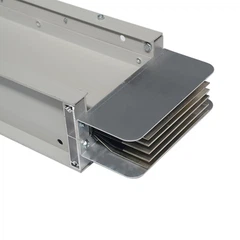
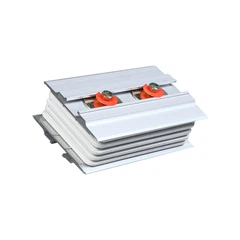
What is the insulation performance of a busway spring support?
Dec 10, 2025
Leave a message
Insulation performance is a critical factor in ensuring the safe and efficient operation of electrical systems, especially in the context of busway spring supports. As a trusted supplier of Busway Spring Supports, I am well - versed in the importance of understanding and optimizing the insulation performance of these components.
Understanding Busway Spring Supports
Busway spring supports play a crucial role in electrical distribution systems. They are designed to provide flexible support for busways, which are used to transmit large amounts of electrical power. These supports help to absorb vibrations, accommodate thermal expansion and contraction, and maintain the proper alignment of the busway.
The insulation performance of a busway spring support is directly related to its ability to prevent electrical leakage and short - circuits. In an electrical system, any form of electrical leakage can lead to energy losses, overheating, and potentially dangerous situations such as electrical fires. Therefore, high - quality insulation is essential for the reliable operation of busway spring supports.
Factors Affecting Insulation Performance
Material Selection
The choice of insulation material is one of the most important factors influencing the insulation performance of a busway spring support. Common insulation materials include plastics, rubber, and ceramics. Each material has its own unique properties that affect its insulation capabilities.
Plastics, for example, are lightweight and easy to mold, making them a popular choice for many applications. They offer good electrical insulation, but their performance can be affected by factors such as temperature and humidity. Some plastics may become brittle at low temperatures or lose their insulation properties when exposed to high humidity.
Rubber is another commonly used insulation material. It has excellent flexibility and can withstand a wide range of temperatures. Rubber insulation is also resistant to moisture and chemicals, which makes it suitable for harsh environments. However, over time, rubber can degrade due to factors such as ozone exposure and mechanical stress.
Ceramics are known for their high - temperature resistance and excellent electrical insulation properties. They are often used in applications where high - voltage and high - temperature conditions are present. However, ceramics are brittle and can be difficult to manufacture into complex shapes, which limits their use in some busway spring support designs.
Design and Construction
The design and construction of the busway spring support also have a significant impact on its insulation performance. A well - designed support should minimize the risk of electrical arcing and ensure that the insulation material is properly protected.
For example, the shape of the support can affect the distribution of electrical fields. Sharp edges or corners can create areas of high electrical stress, which may lead to arcing and breakdown of the insulation. Therefore, rounded edges and smooth surfaces are often preferred in the design of busway spring supports.
In addition, the construction of the support should ensure that the insulation material is securely attached and protected from damage. This may involve using adhesives or mechanical fasteners to hold the insulation in place, as well as providing a protective outer layer to prevent physical damage and environmental exposure.


Environmental Conditions
The environmental conditions in which the busway spring support operates can also affect its insulation performance. Factors such as temperature, humidity, dust, and chemical exposure can all have a negative impact on the insulation material.
High temperatures can cause the insulation material to degrade more quickly, reducing its electrical resistance. Humidity can also lead to the absorption of moisture by the insulation material, which can lower its insulation performance. Dust and other contaminants can accumulate on the surface of the insulation, creating a path for electrical leakage. Chemical exposure, such as exposure to acids or solvents, can also damage the insulation material and reduce its effectiveness.
Testing and Evaluation of Insulation Performance
To ensure that the busway spring supports meet the required insulation standards, rigorous testing and evaluation procedures are necessary. These tests typically involve measuring the electrical resistance of the insulation material and checking for any signs of electrical arcing or breakdown.
One common test is the insulation resistance test, which measures the resistance of the insulation material to the flow of electrical current. A high insulation resistance value indicates good insulation performance. This test is usually carried out using a specialized instrument called an insulation resistance tester.
Another important test is the dielectric strength test, which measures the maximum voltage that the insulation material can withstand without breaking down. This test is typically performed by applying a gradually increasing voltage to the insulation material until a breakdown occurs. The dielectric strength of the insulation material is then determined based on the voltage at which the breakdown occurs.
In addition to these electrical tests, visual inspections are also carried out to check for any physical damage or signs of degradation in the insulation material. This may involve looking for cracks, voids, or discoloration in the insulation.
Importance of Insulation Performance in Busway Systems
The insulation performance of busway spring supports is crucial for the overall safety and efficiency of the busway system. A well - insulated support helps to prevent electrical leakage, which reduces energy losses and improves the system's efficiency.
In addition, good insulation performance reduces the risk of electrical fires and other safety hazards. Electrical arcing and short - circuits can generate a large amount of heat, which can ignite nearby flammable materials. By ensuring that the busway spring supports have high - quality insulation, the risk of these dangerous situations can be significantly reduced.
Moreover, in high - voltage applications, proper insulation is essential to prevent electrical breakdown and ensure the reliable operation of the system. A breakdown in the insulation can lead to power outages and damage to the electrical equipment.
Our Offerings as a Busway Spring Support Supplier
As a leading supplier of Busway Spring Supports, we are committed to providing products with excellent insulation performance. We use high - quality insulation materials and advanced manufacturing techniques to ensure that our supports meet the highest standards of quality and reliability.
Our team of experts carefully selects the insulation materials based on the specific requirements of each application. We take into account factors such as temperature, humidity, and voltage levels to ensure that the insulation material provides optimal performance.
In addition, we pay close attention to the design and construction of our busway spring supports. Our designs are optimized to minimize electrical stress and ensure that the insulation material is properly protected. We also conduct extensive testing on all our products to ensure that they meet or exceed the relevant industry standards.
We offer a wide range of busway spring supports to meet the diverse needs of our customers. Whether you need a support for a low - voltage application or a high - voltage system, we have the right solution for you. In addition to our standard products, we also offer custom - designed solutions to meet your specific requirements.
If you are interested in learning more about our Busway Spring Supports and their insulation performance, or if you have any specific requirements for your electrical system, we encourage you to contact us. Our team of experts is ready to assist you in finding the best solution for your needs. You can also explore some of our related products such as Flexible Aluminum Busbar, Bus Duct Enclosure, and Copper Busway Connector.
Conclusion
The insulation performance of a busway spring support is a complex and important topic. It is affected by factors such as material selection, design and construction, and environmental conditions. By understanding these factors and taking appropriate measures to optimize insulation performance, we can ensure the safe and efficient operation of electrical systems.
As a supplier of Busway Spring Supports, we are dedicated to providing high - quality products with excellent insulation capabilities. We invite you to reach out to us for further discussions on your busway support needs and to explore the possibilities of working together. We look forward to helping you achieve a reliable and efficient electrical distribution system.
References
- Electrical Insulation Handbook, McGraw - Hill
- Standards for Electrical Insulation Materials, International Electrotechnical Commission (IEC)
- Handbook of Electrical Engineering, Wiley
Send Inquiry