

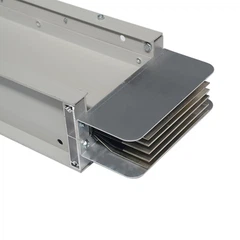
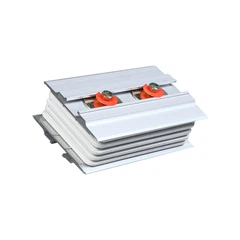
What is the grounding requirement of a busway junction?
Dec 25, 2025
Leave a message
What is the grounding requirement of a busway junction?
As a supplier of busway junctions, I understand the critical importance of grounding requirements in ensuring the safety and efficiency of electrical systems. Grounding is a fundamental aspect of electrical engineering that provides a path for electrical current to flow safely into the earth in the event of a fault, thereby protecting personnel and equipment from electrical hazards. In this blog post, I will delve into the grounding requirements of a busway junction, exploring the key considerations, standards, and best practices that every electrical professional should be aware of.
Why is grounding necessary for a busway junction?
A busway junction is a crucial component in an electrical distribution system that connects multiple busways together, allowing for the transfer of electrical power from one section to another. During normal operation, the busway junction conducts electrical current without any issues. However, in the event of a fault, such as a short circuit or a ground fault, the electrical current can deviate from its intended path and flow through unintended conductors, potentially causing electrical shock, fire, or damage to equipment.
Grounding provides a low - resistance path for the fault current to flow directly to the earth. This helps to prevent the build - up of dangerous voltages on the metal enclosures of the busway junction and other electrical equipment. By quickly dissipating the fault current, grounding reduces the risk of electrical shock to personnel and minimizes the damage to the electrical system.
Key grounding requirements for a busway junction
1. Grounding conductor size
The size of the grounding conductor used in a busway junction is determined by the ampacity of the busway. According to the National Electrical Code (NEC) in the United States, the grounding conductor must be sized to carry the maximum fault current that could occur in the system. For example, in a high - current application such as a 4000a Bus Duct, a larger grounding conductor is required to handle the potentially large fault currents.


The grounding conductor should be made of a material with good electrical conductivity, such as copper or aluminum. Copper is often preferred due to its higher conductivity and better corrosion resistance.
2. Connection to the grounding electrode system
The busway junction must be properly connected to the grounding electrode system. This system typically consists of grounding electrodes such as ground rods, metal water pipes, or concrete - encased electrodes. The connection should be made using approved grounding connectors that provide a low - resistance path between the busway junction and the grounding electrode.
The grounding electrode system helps to ensure that the fault current is effectively dissipated into the earth. It is important to regularly inspect the grounding electrode system to ensure that it remains in good condition and has a low resistance to the earth.
3. Continuity of the grounding path
The grounding path within the busway junction must be continuous. This means that all metal components of the busway junction, including the enclosure, supports, and connections, should be electrically connected to the grounding conductor. Any breaks or discontinuities in the grounding path can prevent the proper flow of fault current and increase the risk of electrical hazards.
To ensure continuity, all connections should be tight and free of corrosion. Special attention should be paid to joints and connections where the busway sections are joined together, as these areas are more prone to loosening over time.
4. Grounding of accessories
In addition to the main busway junction, any accessories such as tap - off units, switches, and protective devices associated with the busway junction must also be grounded. These accessories can be a source of electrical faults, and proper grounding is essential to protect personnel and equipment.
For example, in a Plug in Bus Duct, the plug - in units should be grounded to the busway's grounding system. This can be achieved through proper design and installation of the plug - in units, ensuring that there is a reliable electrical connection to the grounding conductor.
Industry standards and regulations
There are several industry standards and regulations that govern the grounding requirements of busway junctions. In addition to the NEC in the United States, the International Electrotechnical Commission (IEC) also provides guidelines for electrical installations, including grounding requirements.
Compliance with these standards is not only a legal requirement but also a best practice to ensure the safety and reliability of the electrical system. Electrical contractors and installers should be familiar with the relevant standards and ensure that all busway junctions are installed and grounded in accordance with these requirements.
Best practices for grounding a busway junction
1. Design phase
During the design phase, the grounding requirements should be carefully considered. The electrical engineer should calculate the maximum fault current and select the appropriate size of the grounding conductor. The layout of the busway system should also be designed to ensure easy and effective grounding.
For example, the busway should be routed in a way that minimizes the length of the grounding conductor and reduces the impedance of the grounding path.
2. Installation phase
Proper installation is crucial for achieving a reliable grounding system. The grounding conductor should be installed in a straight and unobstructed path, avoiding sharp bends or kinks that can increase the resistance. All connections should be made using the correct tools and techniques, and the grounding conductor should be securely fastened to the busway junction and the grounding electrode system.
3. Testing and maintenance
After installation, the grounding system should be tested to ensure that it meets the required standards. This can be done using a grounding resistance tester to measure the resistance of the grounding path. Regular maintenance should also be carried out to inspect the grounding system for any signs of damage, corrosion, or loosening of connections.
Conclusion
As a busway junction supplier, I emphasize the importance of adhering to proper grounding requirements. Grounding is not an optional feature but a critical safety measure that protects both people and property in an electrical system. By following the key requirements, industry standards, and best practices outlined in this blog post, electrical professionals can ensure that busway junctions are installed and grounded correctly.
If you are in the market for high - quality busway junctions and need further information on grounding requirements or any other technical aspects, we are here to help. Our team of experts can provide you with detailed guidance and support to meet your specific electrical distribution needs. Whether you are looking for a Feeder Bus Duct or a Plug in Bus Duct, we have the products and knowledge to assist you. Contact us today to start a procurement discussion and find the best solutions for your electrical projects.
References
- National Electrical Code (NEC), various editions.
- International Electrotechnical Commission (IEC) standards related to electrical installations.
- Manufacturer's technical manuals for busway junctions.
Send Inquiry