

What is the fire - resistance rating of a bus duct flange?
Aug 04, 2026
Leave a message
What is the fire - resistance rating of a bus duct flange?
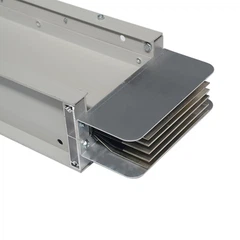
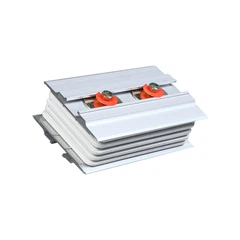
As a supplier of bus duct flanges, I often encounter inquiries about the fire - resistance rating of our products. Understanding the fire - resistance rating of a bus duct flange is crucial for ensuring the safety and reliability of electrical systems, especially in commercial and industrial settings where fire safety is a top priority.
The Importance of Fire - Resistance Rating
In an electrical system, bus duct flanges play a vital role in connecting different sections of bus ducts. They provide a secure and stable connection that allows for the efficient transmission of electrical power. However, in the event of a fire, the bus duct flange needs to maintain its integrity to prevent the spread of fire and ensure the continued operation of critical electrical circuits.
A high - quality bus duct flange with a proper fire - resistance rating can help contain the fire within a specific area, protecting personnel and equipment from the devastating effects of a fire. It also allows for a certain period of time for emergency response and evacuation, which is essential for minimizing damage and loss of life.
Factors Affecting the Fire - Resistance Rating
Several factors can influence the fire - resistance rating of a bus duct flange.
-
Material Composition
The materials used in the construction of the bus duct flange are of utmost importance. Common materials include stainless steel, aluminum, and copper. Each material has different fire - resistant properties. For example, stainless steel has a relatively high melting point and can withstand high temperatures for a longer period compared to aluminum. Some manufacturers may also use fire - resistant coatings on the flange to enhance its fire - resistance. -
Design and Construction
The design of the bus duct flange can also impact its fire - resistance. A well - designed flange with proper sealing and insulation can prevent the passage of fire and smoke. For instance, a flange with a tight - fitting gasket can reduce the leakage of hot gases and flames. Additionally, the thickness and structure of the flange can affect its ability to withstand fire. A thicker flange is generally more fire - resistant than a thinner one. -
Installation Quality
Even the best - designed and highest - quality bus duct flanges may not perform well if they are not installed correctly. Proper installation techniques, such as ensuring a secure connection and proper alignment, are essential for maintaining the fire - resistance of the flange. Any gaps or loose connections can compromise the fire - resistant performance of the bus duct system.
Understanding Fire - Resistance Ratings
Fire - resistance ratings are typically expressed in terms of time, such as 1 hour, 2 hours, or 3 hours. These ratings indicate the length of time that the bus duct flange can maintain its structural integrity and prevent the passage of fire and smoke under specific fire conditions.
For example, a bus duct flange with a 2 - hour fire - resistance rating means that it can withstand a fire for up to 2 hours without losing its ability to contain the fire and maintain electrical continuity. This rating is determined through standardized fire tests conducted in accordance with relevant national and international standards.


Applications of Bus Duct Flanges with Different Fire - Resistance Ratings
-
Commercial Buildings
In commercial buildings such as offices, shopping malls, and hotels, bus duct flanges with a 1 - hour or 2 - hour fire - resistance rating are commonly used. These ratings provide sufficient protection in case of a fire, allowing for the safe evacuation of occupants and the protection of valuable equipment. -
Industrial Facilities
Industrial facilities, such as factories and power plants, often require bus duct flanges with a higher fire - resistance rating, such as 3 hours or more. These facilities have a higher risk of fire due to the presence of flammable materials and high - power electrical systems. A higher fire - resistance rating ensures the continued operation of critical electrical circuits during a fire, minimizing downtime and damage. -
Data Centers
Data centers are highly sensitive to fire, as any interruption in power supply can lead to significant data loss and business disruption. Bus duct flanges with a high fire - resistance rating are essential for protecting the electrical infrastructure in data centers. A 2 - hour or 3 - hour fire - resistance rating is typically required to ensure the safety and reliability of the data center's power system.
Our Products and Their Fire - Resistance Ratings
As a bus duct flange supplier, we offer a wide range of products with different fire - resistance ratings to meet the diverse needs of our customers. Our flanges are made from high - quality materials and are designed and manufactured to meet or exceed relevant industry standards.
We use advanced manufacturing techniques and quality control processes to ensure the reliability and performance of our products. Our team of experts is always available to provide technical support and guidance to help our customers select the right bus duct flange with the appropriate fire - resistance rating for their specific applications.
Related Products and Their Links
If you are interested in other types of bus ducts, we can provide you with some useful information. You can click on the following links to learn more about Phase Segregated Bus Duct, Enclosed Busduct, and Low Voltage Bus Duct.
Contact Us for Procurement
If you are in the market for bus duct flanges and are concerned about fire - resistance ratings, we invite you to contact us for a detailed discussion. Our experienced sales team can provide you with more information about our products, their fire - resistance ratings, and how they can meet your specific requirements. We are committed to providing high - quality products and excellent customer service. Whether you are a small business or a large industrial enterprise, we have the right solution for you.
References
- National Fire Protection Association (NFPA) standards related to electrical systems and fire safety.
- International Electrotechnical Commission (IEC) standards for bus duct flanges and fire - resistance testing.
- Industry research reports on the performance and safety of bus duct systems.
Send Inquiry