

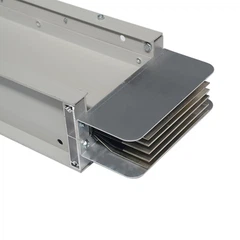
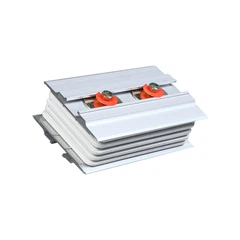
What are the disadvantages of a Bus Duct Tap Off Unit?
Jul 31, 2026
Leave a message
As a supplier of Bus Duct Tap Off Units, I've had my fair share of experiences with these products. While they offer a lot of advantages, like easy installation, flexibility, and efficient power distribution, it's important to also talk about the disadvantages. This way, customers can make well - informed decisions when considering using a Bus Duct Tap Off Unit in their electrical systems.
1. High Initial Cost
One of the most obvious drawbacks of a Bus Duct Tap Off Unit is the high initial cost. When compared to traditional cable systems, the price of a bus duct tap off unit can be significantly higher. The materials used in bus ducts, such as high - quality conductors and insulation, are expensive. For instance, in the case of Aluminum Bus Duct, the aluminum itself might have a high cost, and then there are additional expenses for manufacturing, testing, and quality control.
This high cost can be a major deterrent for small - scale projects or companies with tight budgets. Even though bus duct tap off units offer long - term benefits in terms of efficiency and reliability, not everyone can afford to make that initial investment.
2. Limited Flexibility in Retrofitting
Bus duct tap off units are designed to be a permanent part of an electrical system. Once they are installed, it can be quite difficult to make changes or additions. Unlike cable systems, which can be easily rerouted or extended, bus ducts are more rigid.
For example, if a company decides to expand its facility or change the layout of its electrical system, the existing bus duct tap off unit might not be easily adaptable. This lack of flexibility can lead to additional costs if a new bus duct system needs to be installed. The Feeder Bus Duct is often installed in a specific configuration, and modifying it can be a complex and expensive process.
3. Maintenance Requirements
Bus duct tap off units require regular maintenance to ensure their proper functioning. The conductors need to be checked for signs of wear and tear, and the insulation needs to be inspected for any damage. Over time, the connections can loosen, and this can lead to increased resistance, which in turn can cause overheating.


Maintenance also involves cleaning the bus ducts to prevent the accumulation of dust and debris, which can affect the electrical performance. If maintenance is not carried out regularly, it can lead to system failures and safety hazards. For instance, a loose connection in a New Generation Sandwich Busduct can cause arcing, which is a serious safety risk.
4. Space Requirements
Bus duct tap off units typically require more space compared to cable systems. They need to be installed in a dedicated area, and the clearance around the bus ducts needs to be maintained to ensure proper ventilation and access for maintenance.
In a facility where space is limited, this can be a significant drawback. For example, in a small industrial unit or a data center with a high density of equipment, finding enough space for a bus duct tap off unit can be a challenge. This can also limit the layout options for the electrical system.
5. Sensors on the electrical system, such as the one shown in the figure.
Send Inquiry