

What is the electrical conductivity of flexible copper busbar?
Feb 11, 2026
Leave a message
As a supplier of flexible copper busbars, I often find myself in discussions about the electrical conductivity of these remarkable products. Electrical conductivity is a crucial property that determines how well a material can conduct an electric current. In this blog post, I'll delve into what electrical conductivity means in the context of flexible copper busbars, its significance, and how it compares to other materials.
Understanding Electrical Conductivity
Electrical conductivity is a measure of a material's ability to allow the flow of electric charge. It is the reciprocal of electrical resistivity, which is a measure of how strongly a material opposes the flow of electric current. Conductivity is typically measured in siemens per meter (S/m). The higher the conductivity, the easier it is for electricity to pass through the material.
Copper is well - known for its excellent electrical conductivity. In fact, it is one of the most commonly used metals in electrical applications precisely because of this property. The reason behind copper's high conductivity lies in its atomic structure. Copper has one valence electron in its outermost shell, which is relatively free to move within the metal lattice. When an electric field is applied, these free electrons can easily drift in the direction of the field, creating an electric current.
Electrical Conductivity of Flexible Copper Busbars
Flexible copper busbars inherit the high electrical conductivity of copper. The standard electrical conductivity of pure copper is approximately 5.96×10⁷ S/m at 20°C. However, in real - world applications, flexible copper busbars may not be made of 100% pure copper. They often contain small amounts of other elements, such as silver or phosphorus, which can be added to improve mechanical properties or corrosion resistance. These alloying elements can slightly reduce the electrical conductivity, but it still remains very high compared to many other materials.
The flexibility of these busbars is achieved through a special manufacturing process. The copper is usually formed into thin strips or foils and then laminated or braided together. This construction method not only provides flexibility but also maintains the electrical conductivity. The thin copper layers ensure that the electrons have a relatively short path to travel, minimizing resistance and maximizing conductivity.
Significance of High Electrical Conductivity in Flexible Copper Busbars
The high electrical conductivity of flexible copper busbars offers several advantages in electrical systems:
Energy Efficiency
In any electrical system, energy is lost in the form of heat due to the resistance of the conductors. Since flexible copper busbars have low resistance because of their high conductivity, they minimize these energy losses. This means that more of the electrical energy supplied to the system is actually used for the intended purpose, rather than being wasted as heat. For large - scale industrial applications or data centers, where electricity consumption is high, this energy efficiency can result in significant cost savings over time.
High - Current Capacity
Flexible copper busbars can handle high - current loads without overheating. Their high conductivity allows them to carry large amounts of current with relatively low voltage drops. This makes them ideal for applications where high - power electrical equipment needs to be powered, such as in power distribution systems, industrial machinery, and electric vehicles.
Reliability
The low resistance and high conductivity of flexible copper busbars contribute to their reliability. With less heat generation, there is less stress on the busbars and the surrounding components. This reduces the risk of thermal degradation, which can lead to premature failure of the electrical system. Additionally, the flexibility of the busbars allows them to withstand mechanical vibrations and movements without breaking, further enhancing their reliability in dynamic environments.
Comparison with Other Materials
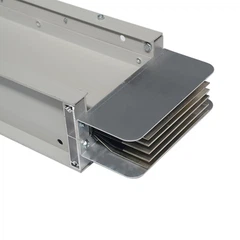
When considering electrical conductors for busbar applications, it's important to compare flexible copper busbars with other materials. One common alternative is Flexible Aluminum Busbar.
Aluminum is also a good conductor of electricity, with an electrical conductivity of about 3.77×10⁷ S/m at 20°C. While this is lower than that of copper, aluminum has a lower density, which makes it lighter. In some applications where weight is a critical factor, such as in aerospace or certain transportation applications, aluminum busbars may be preferred. However, for applications where high - current capacity and low energy losses are more important, flexible copper busbars are often the better choice.

Another important aspect to consider is the cost. Aluminum is generally less expensive than copper, which can make aluminum busbars more cost - effective in some applications. However, the higher energy efficiency of copper busbars can offset the initial cost difference over the long term, especially in high - energy - consuming applications.
Applications of Flexible Copper Busbars
Flexible copper busbars are used in a wide range of applications, thanks to their high electrical conductivity and flexibility:
Power Distribution
In power distribution systems, flexible copper busbars are used to transfer electrical power from transformers to switchgear and other electrical equipment. Their high conductivity ensures efficient power transfer, while their flexibility allows for easy installation in tight spaces and around obstacles.
Industrial Machinery
Many industrial machines require high - current power supplies. Flexible copper busbars can provide a reliable and efficient way to deliver this power. Their ability to handle high - current loads without overheating makes them suitable for use in heavy - duty machinery, such as motors, generators, and welding equipment.
Electric Vehicles
The automotive industry is increasingly turning to flexible copper busbars in electric vehicles. These busbars are used to connect the battery pack to the electric motor and other electrical components. Their high conductivity helps to maximize the efficiency of the vehicle's electrical system, while their flexibility allows for easy integration into the vehicle's design.
Related Accessories
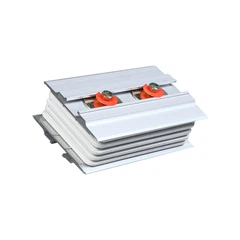
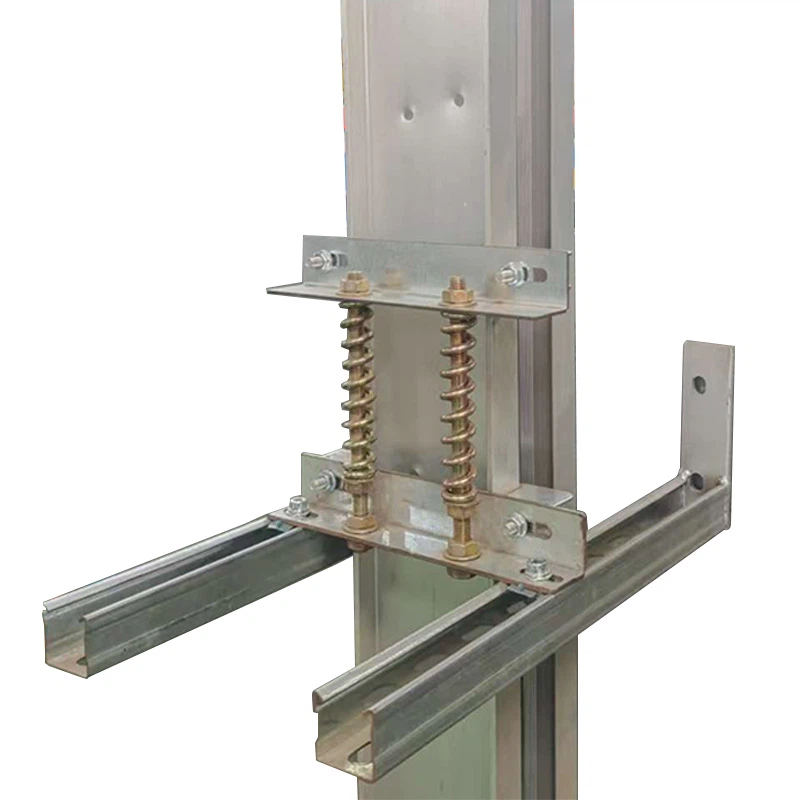
In addition to flexible copper busbars, there are several accessories that can enhance their performance and functionality. Two such accessories are Busway Spring Support and Aluminum Busway Connector.
Busway spring supports are designed to provide mechanical support to the busbars. They help to absorb vibrations and movements, ensuring that the busbars remain in place and are not damaged. This is particularly important in applications where the busbars are subject to mechanical stress, such as in industrial machinery or transportation systems.
Aluminum busway connectors are used to join busbars together. They provide a reliable electrical connection between the busbars, ensuring that the current can flow smoothly. These connectors are designed to be easy to install and can be used in a variety of applications.
Conclusion
In conclusion, the electrical conductivity of flexible copper busbars is a key property that makes them an ideal choice for many electrical applications. Their high conductivity allows for efficient power transfer, high - current capacity, and reliability. While other materials like aluminum may have their own advantages, flexible copper busbars offer a unique combination of electrical performance and flexibility.
If you're in the market for flexible copper busbars or related accessories, I encourage you to reach out to discuss your specific needs. Whether you're working on a small - scale project or a large - scale industrial application, we can provide you with the right solutions to meet your requirements.
References
- "Electrical Conductivity of Metals." Physics Handbook.
- "Copper and Its Alloys in Electrical Applications." Journal of Electrical Engineering.
- "Flexible Busbar Technology: A Review." International Journal of Power Electronics.
Send Inquiry