

What are the test standards for Cast Resin Busduct?
Aug 21, 2026
Leave a message
Hey there! As a supplier of Cast Resin Busduct, I often get asked about the test standards for this product. So, I thought I'd share some insights on what those test standards are and why they matter.
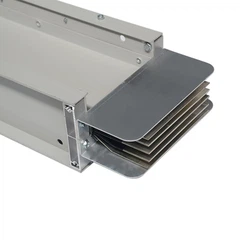
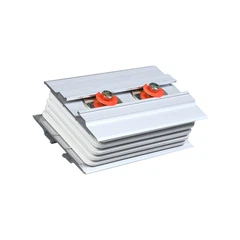
First off, let's understand what Cast Resin Busduct is. It's a type of electrical distribution system that uses cast resin to encapsulate the conductors. This provides excellent electrical insulation, mechanical protection, and resistance to environmental factors. It's commonly used in various applications, from industrial plants to commercial buildings.
Electrical Performance Tests
One of the most important aspects of Cast Resin Busduct is its electrical performance. There are several tests to ensure it meets the required standards.
Dielectric Strength Test
This test measures the ability of the cast resin to withstand high voltages without breaking down. A high voltage is applied to the busduct for a specified period, usually 1 minute. The busduct should not show any signs of electrical breakdown, such as arcing or flashover. If it does, it means the insulation is not up to par, and the busduct may not be safe to use.
Temperature Rise Test
The temperature rise test is crucial because excessive heat can damage the busduct and reduce its lifespan. During this test, the busduct is loaded with a specified current for a certain period. The temperature of the conductors and the resin is monitored. The temperature rise should not exceed the specified limits. For example, in many standards, the maximum temperature rise for the conductors is around 65°C above the ambient temperature.
Short - Circuit Withstand Test
In case of a short - circuit in the electrical system, the busduct needs to be able to withstand the high currents without being damaged. The short - circuit withstand test involves subjecting the busduct to a short - circuit current for a very short period, usually a few milliseconds. The busduct should be able to maintain its mechanical integrity and electrical performance during and after the short - circuit event.
Mechanical Tests
Cast Resin Busduct also needs to meet certain mechanical standards.
Impact Resistance Test
This test checks how well the busduct can withstand impacts. A specified weight is dropped from a certain height onto the busduct. The busduct should not crack or break under the impact. This is important because in real - world applications, the busduct may be subject to accidental impacts during installation or maintenance.
Vibration Test
The busduct may be exposed to vibrations in industrial environments. The vibration test simulates these conditions by subjecting the busduct to a specified level of vibration for a certain period. The busduct should not show any signs of mechanical damage or loosening of components due to the vibration.
Environmental Tests
Since Cast Resin Busduct can be used in various environments, it needs to be tested for its resistance to environmental factors.
Moisture Resistance Test
Moisture can cause corrosion and electrical problems in the busduct. The moisture resistance test involves exposing the busduct to a high - humidity environment for a specified period. After the test, the busduct should still meet the electrical performance requirements. For example, our Waterproof Busbar is designed to withstand high - moisture environments.


Chemical Resistance Test
In some industrial settings, the busduct may be exposed to chemicals. The chemical resistance test involves exposing the busduct to various chemicals for a certain period. The busduct should not be damaged or have its electrical performance affected by the chemicals.
Standards and Certifications
There are several international and national standards for Cast Resin Busduct. Some of the well - known standards include IEC 61439 - 6 (for low - voltage switchgear and controlgear assemblies) and UL 857 (in the United States). These standards define the test methods and requirements for different aspects of the busduct, such as electrical performance, mechanical strength, and environmental resistance.
When a busduct meets these standards, it usually comes with a certification. This certification is a guarantee that the busduct has been tested and meets the required quality and safety standards. As a supplier, we ensure that all our products, including 3 - Phase Cast Resin Busduct and Cast Resin Busduct Feeder Unit, are tested according to these standards and come with the necessary certifications.
Why Test Standards Matter
Test standards are not just a formality. They are essential for ensuring the safety and reliability of the Cast Resin Busduct. By meeting these standards, we can guarantee that our products will perform as expected in real - world applications. For example, if a busduct fails the short - circuit withstand test, it could lead to a major electrical accident in an industrial plant. Similarly, if it fails the moisture resistance test, it may develop electrical problems over time, leading to costly repairs and downtime.
Contact Us for Procurement
If you're in the market for high - quality Cast Resin Busduct that meets all the necessary test standards, we'd love to hear from you. Whether you're working on a small commercial project or a large industrial installation, we have the right products for you. Our team of experts can help you choose the best busduct for your specific needs and provide you with all the technical support you require.
References
- IEC 61439 - 6: Low - voltage switchgear and controlgear assemblies - Part 6: Busbar trunking systems (busways)
- UL 857: Standard for Busways
Send Inquiry