

What are the remote monitoring functions of a Busway Feeder Box?
Oct 23, 2025
Leave a message
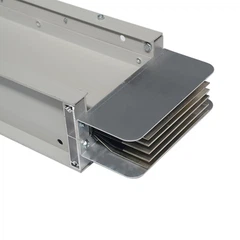
As a supplier of Busway Feeder Boxes, I'm often asked about the remote monitoring functions of these essential electrical components. In this blog post, I'll delve into the various remote monitoring capabilities that our Busway Feeder Boxes offer, highlighting their importance in modern electrical systems.
Real - time Voltage Monitoring
One of the primary remote monitoring functions of our Busway Feeder Boxes is real - time voltage monitoring. Voltage fluctuations can have a significant impact on the performance and lifespan of electrical equipment connected to the busway. By continuously monitoring the voltage, our system can detect any deviations from the normal range.
For example, if the voltage drops below a certain threshold, it could indicate a problem such as a loose connection or an overloaded circuit. On the other hand, an excessive voltage can lead to overheating and potential damage to sensitive electronics. Our remote monitoring system sends instant alerts to the relevant personnel when such voltage irregularities are detected. This allows for quick intervention to prevent equipment failure and costly downtime.
Current Monitoring
In addition to voltage, current monitoring is another crucial aspect of remote monitoring. The Busway Feeder Box can accurately measure the current flowing through each circuit. High - current conditions can be a sign of overloading, which may cause overheating and pose a fire hazard.
Our system keeps track of the current levels in real - time and can generate historical data for analysis. This data can be used to identify patterns of high - current usage, such as peak demand periods. By understanding these patterns, facility managers can make informed decisions about load management, such as redistributing loads or upgrading the electrical infrastructure.
Temperature Monitoring
Temperature is a critical parameter in electrical systems. Overheating in a Busway Feeder Box can be caused by factors such as high current, poor ventilation, or faulty connections. Our remote monitoring solution includes temperature sensors placed at key locations within the feeder box.
These sensors continuously measure the temperature and transmit the data to the monitoring center. If the temperature exceeds a pre - set limit, an alarm is triggered. Early detection of overheating allows for timely maintenance, such as tightening loose connections or improving ventilation, to prevent equipment damage and ensure the safety of the electrical system.


Power Factor Monitoring
Power factor is an important metric in electrical systems as it indicates how efficiently electrical power is being used. A low power factor can result in increased energy consumption and higher electricity bills. Our Busway Feeder Boxes are equipped with power factor monitoring capabilities.
The remote monitoring system calculates the power factor in real - time and provides detailed reports. Facility managers can use this information to implement power factor correction measures, such as installing capacitors. By improving the power factor, energy efficiency can be enhanced, leading to cost savings over time.
Fault Detection and Alarm
Our remote monitoring system is designed to detect faults in the Busway Feeder Box promptly. Faults can include short - circuits, ground faults, or open - circuits. When a fault is detected, the system immediately sends an alarm to the operators.
The alarm can be sent via various means, such as email, SMS, or a dedicated monitoring software. The detailed fault information provided by the system helps technicians quickly diagnose the problem and take appropriate action. This reduces the time required for troubleshooting and minimizes the impact on the electrical system.
Integration with Other Systems
Our Busway Feeder Boxes' remote monitoring functions can be integrated with other building management systems. For example, it can be connected to the facility's energy management system to provide a comprehensive view of the electrical consumption across the entire building.
It can also be integrated with the security system. In the event of a major electrical fault, the security system can be alerted, and appropriate safety measures can be taken, such as evacuating the area if necessary. This integration enhances the overall safety and efficiency of the building's operations.
The Role of High - Quality Components
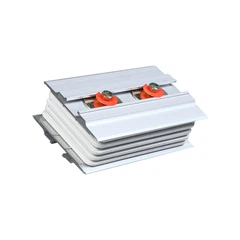
To ensure the accuracy and reliability of the remote monitoring functions, our Busway Feeder Boxes are equipped with high - quality components. For instance, we use Tinned Copper Busbar which offers excellent conductivity and corrosion resistance. The Copper Busway Connector provides a secure and stable connection, minimizing the risk of electrical faults. Additionally, the Copper - Clad Aluminum Conductor combines the advantages of copper and aluminum, offering a cost - effective solution without compromising on performance.
Conclusion
The remote monitoring functions of our Busway Feeder Boxes play a vital role in ensuring the safety, reliability, and efficiency of electrical systems. From real - time voltage, current, temperature, and power factor monitoring to fault detection and integration with other systems, our solution provides comprehensive insights into the performance of the feeder box.
If you're interested in enhancing the electrical safety and efficiency of your facility with our Busway Feeder Boxes and their advanced remote monitoring capabilities, we invite you to contact us for a detailed discussion. Our team of experts is ready to assist you in finding the best solution for your specific needs.
References
- Electrical Power Systems Basics: Principles and Applications, Second Edition by Mohamed E. El - Hawary
- Handbook of Electrical Engineering: Fundamentals and Applications by Gerhard K. Schmidt
Send Inquiry