

Can Tinned Copper Busbar be used in high - voltage applications?
Oct 23, 2025
Leave a message
Hey there! As a supplier of tinned copper busbars, I often get asked if these nifty pieces of kit can be used in high-voltage applications. Well, let's dive right in and break it down.
First off, what exactly is a tinned copper busbar? It's basically a copper bar that's been coated with a layer of tin. This tinning process has a bunch of benefits. For starters, it helps prevent oxidation of the copper. Copper, as you know, can react with oxygen in the air over time, forming a layer of copper oxide. This oxide can increase the resistance of the busbar, which is a big no-no in electrical applications. The tin coating acts as a protective shield, keeping the copper safe from the elements.
Now, let's talk about high-voltage applications. High-voltage systems are those that operate at voltages typically above 1,000 volts. These can include power transmission lines, substations, and large industrial electrical systems. In these applications, safety, reliability, and efficiency are of the utmost importance.
One of the key factors in determining whether a tinned copper busbar can be used in high-voltage applications is its electrical conductivity. Copper is already known for its excellent electrical conductivity, and the tinning process doesn't significantly affect this property. In fact, the tin coating can actually improve the surface conductivity in some cases, as it provides a smooth and uniform surface for electrical current to flow.
Another important consideration is the mechanical strength of the busbar. High-voltage systems often involve high currents, which can generate significant electromagnetic forces. These forces can put stress on the busbar, so it needs to be able to withstand them without deforming or breaking. Tinned copper busbars are generally quite strong and can handle these forces well, especially when they're properly sized and installed.


Heat dissipation is also a crucial aspect. High currents in high-voltage systems can generate a lot of heat, and if the busbar can't dissipate this heat effectively, it can lead to overheating and potential failure. Copper is a good conductor of heat, and the tin coating can also help with heat transfer. Additionally, proper ventilation and cooling systems can be used to ensure that the busbar stays within a safe temperature range.
Insulation is another key factor. In high-voltage applications, the busbar needs to be properly insulated to prevent electrical arcing and short circuits. There are various types of insulation materials available, such as the High-Insulation Polyester Film. This film can be used to wrap the busbar, providing an extra layer of protection.
Now, let's compare tinned copper busbars with some other options. One alternative is the Tin-Plated Aluminum Busbar. Aluminum is lighter and cheaper than copper, but it also has lower electrical conductivity. This means that for the same amount of current, an aluminum busbar would need to be larger in cross-section than a copper busbar. Additionally, aluminum can be more prone to corrosion, especially in certain environments.
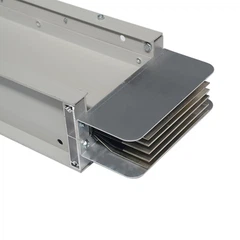
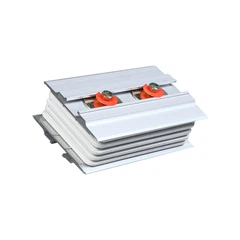
Another important component in high-voltage systems is the Busway Connector. These connectors are used to join the busbars together and ensure a secure and reliable electrical connection. When using tinned copper busbars, it's important to choose connectors that are compatible with the tin coating to prevent any issues with contact resistance.
In terms of installation, tinned copper busbars are relatively easy to work with. They can be cut, bent, and drilled to fit the specific requirements of the high-voltage system. However, it's important to follow proper installation procedures to ensure that the busbar is installed correctly and safely. This includes using the right tools, following the manufacturer's instructions, and ensuring that the busbar is properly grounded.
So, can tinned copper busbars be used in high-voltage applications? The answer is a resounding yes! They offer excellent electrical conductivity, good mechanical strength, and effective heat dissipation. With proper insulation and installation, they can provide a reliable and efficient solution for high-voltage systems.
If you're in the market for tinned copper busbars for your high-voltage application, I'd love to have a chat with you. Whether you're working on a small industrial project or a large-scale power transmission system, I can help you find the right busbars for your needs. Just reach out, and we can start discussing your requirements.
References
- Electrical Engineering Handbook, various editions
- Manufacturer's specifications for tinned copper busbars
- Industry standards for high-voltage electrical systems
Send Inquiry