

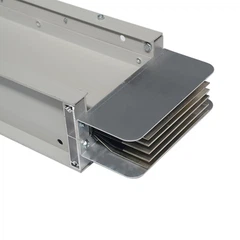
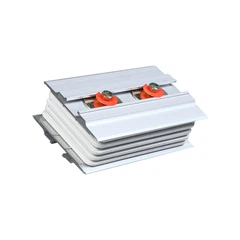
What are the noise characteristics of a busway vertical elbow?
Aug 19, 2025
Leave a message
What are the noise characteristics of a busway vertical elbow?
As a supplier of busway vertical elbows, I've had numerous inquiries about the noise characteristics of these crucial components in electrical distribution systems. Understanding these noise characteristics is essential for ensuring the smooth operation of electrical infrastructure and maintaining a comfortable environment in industrial and commercial settings.
Sources of Noise in Busway Vertical Elbows
The noise in busway vertical elbows primarily stems from electromagnetic and mechanical factors. Electromagnetic noise is generated due to the alternating magnetic fields produced by the flow of electric current through the busbars. When the current passes through the conductors, it creates magnetic fields that interact with the surrounding materials, causing vibrations and ultimately generating noise. This type of noise is often a result of the magnetic forces acting on the busbars and can be influenced by factors such as the magnitude of the current, the frequency of the electrical supply, and the design of the busway.
Mechanical noise, on the other hand, can be attributed to the physical components of the busway vertical elbow. Loose connections, improper installation, or the movement of components within the elbow can lead to rattling, banging, or other mechanical noises. For example, if the Bus Duct Flange is not tightened properly, it can cause vibrations that result in audible noise. Additionally, the expansion and contraction of the busbars due to temperature changes can also contribute to mechanical noise.
Frequency and Intensity of Noise
The frequency of the noise generated by busway vertical elbows can vary depending on the source. Electromagnetic noise typically occurs at frequencies related to the electrical supply, such as 50 Hz or 60 Hz in most power systems. However, harmonics in the electrical current can also introduce additional frequencies, which may result in a broader spectrum of noise. These harmonics can be caused by non - linear loads connected to the electrical system, such as variable frequency drives or electronic equipment.
The intensity of the noise is influenced by several factors. Higher currents generally lead to stronger magnetic fields and, consequently, louder electromagnetic noise. The design and quality of the busway also play a significant role. A well - designed busway with proper shielding and insulation can reduce the intensity of electromagnetic noise. Similarly, a busway vertical elbow that is installed correctly and has tight connections will minimize mechanical noise.
Impact of Noise on the Environment
The noise from busway vertical elbows can have several impacts on the surrounding environment. In industrial settings, excessive noise can be a safety hazard, as it can mask warning signals and make it difficult for workers to communicate effectively. Prolonged exposure to high - intensity noise can also cause hearing damage to employees.
In commercial buildings, such as offices or hospitals, noise from the electrical infrastructure can be a nuisance. It can disrupt the normal activities of the occupants, reduce productivity, and affect the overall comfort of the environment. For example, in a hospital, noise from busway vertical elbows can interfere with patient rest and the operation of sensitive medical equipment.
Measuring and Controlling Noise
To accurately assess the noise characteristics of busway vertical elbows, specialized measuring equipment is required. Sound level meters can be used to measure the intensity of the noise, while frequency analyzers can determine the frequency spectrum. These measurements can help in identifying the source of the noise and evaluating the effectiveness of any noise - control measures.
There are several ways to control the noise generated by busway vertical elbows. For electromagnetic noise, using high - quality conductors with low resistance can reduce the magnetic fields and, consequently, the noise. Shielding the busbars with conductive materials can also help to contain the magnetic fields and prevent them from interacting with the surrounding environment.
To address mechanical noise, proper installation is crucial. Ensuring that all connections are tight, using vibration - damping materials, and providing adequate support for the busway can significantly reduce mechanical vibrations and noise. For example, using rubber gaskets between the 3 Phase Busbar Trunking and the vertical elbow can absorb vibrations and minimize noise transmission.


Our Solutions as a Supplier
As a supplier of busway vertical elbows, we are committed to providing products with low noise characteristics. Our engineering team designs the elbows with advanced materials and innovative technologies to minimize both electromagnetic and mechanical noise. We use high - conductivity Aluminum Bus Duct to reduce the magnetic fields and, thus, the electromagnetic noise.
In addition, we provide comprehensive installation guidelines to ensure that our products are installed correctly. Our installation support team can assist customers in ensuring that all components are properly connected and that any potential sources of mechanical noise are eliminated. We also offer noise - testing services to verify the noise levels of our busway vertical elbows before they are installed in the field.
Conclusion
Understanding the noise characteristics of busway vertical elbows is essential for ensuring the reliable and quiet operation of electrical distribution systems. By addressing the sources of electromagnetic and mechanical noise, measuring the noise levels accurately, and implementing effective noise - control measures, we can minimize the impact of noise on the environment.
If you are in the market for high - quality busway vertical elbows with low noise characteristics, we invite you to contact us for a detailed discussion. Our team of experts is ready to assist you in selecting the right product for your specific needs and providing you with the necessary support for installation and maintenance.
References
- Electrical Power Distribution Handbook by C. Duncan Power
- Handbook of Noise Control by Cyril M. Harris
Send Inquiry