

What are the main components of a fire - resistant busway?
Sep 15, 2026
Leave a message
A fire-resistant busway is a crucial component in electrical distribution systems, especially in environments where fire safety is of utmost importance. As a leading supplier of fire-resistant busways, I am well-versed in the main components that make up these essential systems. In this blog post, I will delve into the key elements of a fire-resistant busway and explain how they contribute to its overall performance and safety.
Conductors
The conductors are the heart of the fire-resistant busway, responsible for carrying the electrical current from the power source to the connected equipment. These conductors are typically made of high-quality copper or aluminum, chosen for their excellent electrical conductivity and durability. Copper conductors are preferred in many applications due to their superior conductivity and resistance to corrosion. Aluminum conductors, on the other hand, are lighter and more cost-effective, making them a popular choice for certain projects.
The size and configuration of the conductors are carefully designed to meet the specific electrical requirements of the application. The cross-sectional area of the conductors determines the amount of current they can safely carry, while the number of conductors and their arrangement within the busway affect the overall electrical performance. In a fire-resistant busway, the conductors are insulated to prevent short circuits and ensure the safe transmission of electricity.
Insulation Materials
Insulation materials play a critical role in the fire resistance of the busway. They are designed to prevent the spread of fire and electrical arcing, protecting the conductors and the surrounding environment. In a fire-resistant busway, high-quality insulation materials are used to ensure reliable performance under extreme conditions.
One common type of insulation material used in fire-resistant busways is mica. Mica is a natural mineral that has excellent electrical insulation properties and is highly resistant to heat and fire. It can withstand high temperatures without melting or losing its insulating properties, making it an ideal choice for fire-resistant applications. Another popular insulation material is ceramic fiber, which is made from inorganic materials and has excellent thermal insulation properties. Ceramic fiber insulation can effectively reduce heat transfer and prevent the spread of fire.
Enclosure
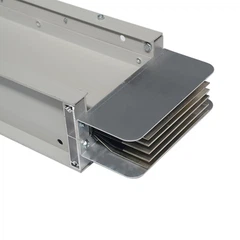
The enclosure of the fire-resistant busway provides mechanical protection for the conductors and insulation materials. It is typically made of metal, such as steel or aluminum, which offers high strength and durability. The enclosure also helps to prevent the entry of dust, moisture, and other contaminants, ensuring the long-term reliability of the busway.
In addition to mechanical protection, the enclosure of a fire-resistant busway is designed to provide fire resistance. It is constructed with fire-rated materials and features a tight seal to prevent the spread of fire and smoke. The enclosure may also include ventilation openings to allow for the dissipation of heat and the release of gases in the event of a fire.
Joints and Connections
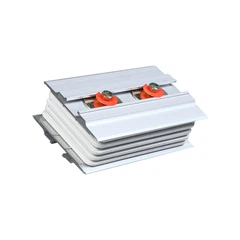
Joints and connections are essential components of a fire-resistant busway, as they ensure the reliable transmission of electricity between different sections of the busway. These joints and connections must be carefully designed and installed to prevent electrical arcing and ensure the integrity of the electrical circuit.
In a fire-resistant busway, the joints and connections are typically made of high-quality materials and are designed to withstand high temperatures and mechanical stress. They are often sealed with fire-resistant gaskets to prevent the entry of fire and smoke. Additionally, the joints and connections may be equipped with monitoring devices to detect any signs of overheating or electrical faults.
Protective Coatings
Protective coatings are applied to the conductors, insulation materials, and enclosure of the fire-resistant busway to enhance their fire resistance and durability. These coatings can provide an additional layer of protection against fire, corrosion, and other environmental factors.
One common type of protective coating used in fire-resistant busways is a fireproof paint. Fireproof paint is designed to expand when exposed to high temperatures, forming a protective char layer that insulates the underlying materials and prevents the spread of fire. Another type of protective coating is a corrosion-resistant coating, which helps to prevent the conductors and enclosure from rusting and deteriorating over time.
Monitoring and Control Systems
Monitoring and control systems are increasingly being incorporated into fire-resistant busways to enhance their safety and reliability. These systems can monitor the temperature, current, and other parameters of the busway in real-time, allowing for early detection of potential problems and prompt response.
For example, a temperature monitoring system can detect any abnormal increases in temperature, indicating a possible overloading or electrical fault. This information can be sent to a central control room or a remote monitoring device, allowing for immediate action to be taken to prevent a fire or other safety hazard. Similarly, a current monitoring system can detect any changes in the electrical current flowing through the busway, helping to identify potential problems and ensure the proper functioning of the electrical system.
Conclusion
In conclusion, a fire-resistant busway is a complex system that consists of several key components, each playing a crucial role in its overall performance and safety. The conductors, insulation materials, enclosure, joints and connections, protective coatings, and monitoring and control systems all work together to ensure the reliable transmission of electricity and the prevention of fire and other safety hazards.


As a supplier of fire-resistant busways, we are committed to providing high-quality products that meet the highest standards of safety and performance. Our Metal Enclosed Busway, Fireproof Bus Duct, and Red-shell Fire-resistant Busway are designed and manufactured using the latest technologies and materials to ensure maximum fire resistance and reliability.
If you are in need of a fire-resistant busway for your project, we invite you to contact us to discuss your specific requirements. Our team of experts will be happy to provide you with detailed information and assistance to help you choose the right product for your needs. We look forward to working with you to ensure the safety and reliability of your electrical distribution system.
References
- Electrical Safety Foundation International. (n.d.). Fire-Resistant Electrical Systems. Retrieved from [Website URL]
- National Fire Protection Association. (n.d.). NFPA 70: National Electrical Code. Retrieved from [Website URL]
- Underwriters Laboratories. (n.d.). UL 1558: Standard for Busways. Retrieved from [Website URL]
Send Inquiry