

Is outdoor bus duct explosion - proof?
Dec 08, 2025
Leave a message
Hey there! As a supplier of Outdoor Bus Duct, I often get asked if these bad boys are explosion-proof. It's a crucial question, especially when you're dealing with electrical systems that are exposed to the elements and potentially hazardous environments. So, let's dive right in and explore this topic.
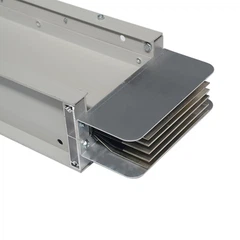
First off, let's understand what an Outdoor Bus Duct is. An Outdoor Bus Duct is a prefabricated electrical distribution system designed to carry large amounts of electrical current. It's commonly used in industrial plants, commercial buildings, and outdoor substations. Unlike traditional cable systems, bus ducts offer a more efficient and reliable way to distribute power.
Now, the big question: Is outdoor bus duct explosion-proof? Well, it depends. Not all outdoor bus ducts are explosion-proof by default. The explosion-proof feature largely depends on the design, construction, and materials used in the bus duct.
Some outdoor bus ducts are specifically engineered to be explosion-proof. These are typically used in environments where there's a risk of explosive gases, vapors, or dust. For example, in oil refineries, chemical plants, or mines, where a small spark could lead to a catastrophic explosion.
So, what makes an outdoor bus duct explosion-proof?
Design and Construction
Explosion-proof bus ducts are designed with special enclosures that can withstand the pressure of an internal explosion without rupturing. The enclosure is usually made of robust materials like stainless steel or heavy-duty aluminum. These materials are not only strong but also resistant to corrosion, which is essential for outdoor use.
The joints and connections in an explosion-proof bus duct are also carefully designed. They are sealed tightly to prevent the ingress of explosive substances. Any openings in the enclosure, such as ventilation holes, are fitted with flame arresters. These arresters allow air to circulate while preventing flames from escaping in case of an internal explosion.
Materials
The insulation materials used in explosion-proof bus ducts are also crucial. They need to be non-combustible and have high dielectric strength. Epoxy resin is a popular choice for insulation in many explosion-proof bus ducts. It provides excellent electrical insulation and is resistant to heat, moisture, and chemicals.
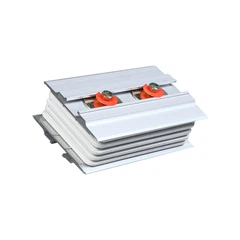
For instance, our Cast Resin Busduct uses high-quality epoxy resin for insulation. This not only enhances the electrical performance but also contributes to the explosion-proof properties of the bus duct.
Testing and Certification
To ensure that an outdoor bus duct is truly explosion-proof, it needs to undergo rigorous testing. There are international standards and certifications that govern the design and testing of explosion-proof equipment. For example, the ATEX directive in Europe and the UL 1203 standard in the United States.
A bus duct that meets these standards has been tested under various conditions to ensure that it can contain an internal explosion and prevent the spread of flames to the surrounding environment. When you're looking for an explosion-proof outdoor bus duct, it's important to check for these certifications.
Applications of Explosion-Proof Outdoor Bus Ducts
Explosion-proof outdoor bus ducts are used in a wide range of industries. Here are some common applications:
- Oil and Gas Industry: In oil refineries, offshore platforms, and natural gas processing plants, explosion-proof bus ducts are used to distribute power safely in areas where there's a high risk of explosive gases.
- Chemical Industry: Chemical plants often handle flammable substances. Explosion-proof bus ducts are essential to prevent electrical sparks from igniting these substances.
- Mining Industry: Mines are another environment where explosion-proof equipment is crucial. Bus ducts are used to power underground machinery and lighting systems. Our Underground Bus Duct is designed to meet the specific requirements of underground mining applications.
Non-Explosion-Proof Outdoor Bus Ducts
Not all outdoor applications require explosion-proof bus ducts. In many cases, standard outdoor bus ducts are sufficient. These are used in less hazardous environments, such as commercial buildings, shopping malls, and residential complexes.
Standard outdoor bus ducts are designed to protect the electrical conductors from the elements, such as rain, snow, and UV radiation. They are also built to be durable and reliable, but they may not have the same level of protection against explosions as explosion-proof bus ducts.
How to Choose the Right Outdoor Bus Duct
When choosing an outdoor bus duct, you need to consider several factors:
- Environment: Assess the environment where the bus duct will be installed. If there's a risk of explosive substances, you'll need an explosion-proof bus duct.
- Electrical Requirements: Determine the amount of electrical current the bus duct needs to carry. This will depend on the connected loads.
- Certification: Look for bus ducts that meet relevant international standards and certifications. This ensures that the bus duct has been tested and proven to be safe and reliable.
Conclusion
So, to answer the question “Is outdoor bus duct explosion-proof?” - it can be. There are explosion-proof outdoor bus ducts available that are specifically designed for hazardous environments. However, not all outdoor bus ducts have this feature.
As a supplier of Outdoor Bus Duct, we offer a range of products to meet different needs. Whether you need an explosion-proof bus duct for a high-risk environment or a standard outdoor bus duct for a commercial building, we've got you covered.
If you're in the market for an outdoor bus duct and want to learn more about our products, or if you have any questions about explosion-proof bus ducts, don't hesitate to reach out. We're here to help you make the right choice for your electrical distribution needs. Let's start a conversation and find the perfect solution for your project.


References
- International Electrotechnical Commission (IEC) standards on explosion protection.
- ATEX directive for explosive atmospheres in Europe.
- UL 1203 standard for explosion-proof electrical equipment in the United States.
Send Inquiry