

How to troubleshoot a Busway Tap - off Box?
Jun 17, 2026
Leave a message
Hey there! As a supplier of Busway Tap-off Boxes, I've seen my fair share of issues that customers run into. Troubleshooting these boxes can seem like a real headache, but with the right know - how, you can get to the bottom of most problems pretty quickly. In this blog, I'll walk you through the steps to troubleshoot a Busway Tap - off Box.
Understanding the Basics
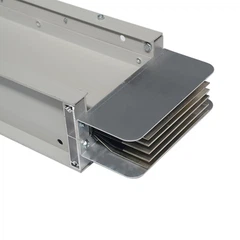
First things first, let's talk a bit about what a Busway Tap - off Box is. It's an essential component in electrical distribution systems. Its main job is to provide a connection point for electrical loads from a busway. Think of it as a bridge that allows power to flow from the main busway to your specific equipment.
Visual Inspection
The first step in troubleshooting is always a visual inspection. It might sound simple, but you'd be surprised at how many issues can be spotted just by taking a good look.
- Physical Damage: Check for any signs of physical damage on the box itself. This could include cracks, dents, or broken parts. Physical damage can compromise the integrity of the box and lead to electrical problems. For example, a crack might allow moisture or dust to enter, which can cause short - circuits.
- Loose Connections: Look at all the electrical connections within the box. Are the wires properly secured? Loose wires can cause arcing, which is not only a fire hazard but can also lead to intermittent power issues. You can gently tug on the wires (while the power is off, of course) to see if they're firmly in place.
- Overheating: Check for any signs of overheating, such as discolored components or a burning smell. Overheating can be caused by a variety of factors, including overloading the box or a poor electrical connection. If you notice any overheating, it's important to address the issue immediately to prevent further damage.
Testing the Electrical Parameters
Once you've done a visual inspection, it's time to start testing the electrical parameters. You'll need some basic electrical testing equipment, like a multimeter.
- Voltage Testing: Use the multimeter to measure the voltage at different points in the Busway Tap - off Box. Compare the readings to the expected voltage values. If the voltage is too high or too low, it could indicate a problem with the power supply or a fault within the box. For example, a low voltage reading might mean there's a high - resistance connection somewhere.
- Continuity Testing: Continuity testing is used to check if there's a complete electrical path between two points. This is important for ensuring that the wires and components are properly connected. Set your multimeter to the continuity setting and touch the probes to different points in the circuit. If the multimeter beeps, it means there's continuity. If not, there's a break in the circuit that needs to be found and fixed.
Checking the Insulation
The insulation in a Busway Tap - off Box is crucial for preventing electrical shocks and short - circuits. One important insulation material is the High - Insulation Polyester Film.
- Insulation Resistance Testing: Use an insulation resistance tester to measure the resistance of the insulation. A low insulation resistance value can indicate that the insulation is damaged or contaminated. Moisture, dirt, or physical damage can all cause a decrease in insulation resistance. If the insulation resistance is too low, you'll need to identify the source of the problem and replace or repair the damaged insulation.
Examining the Connectors
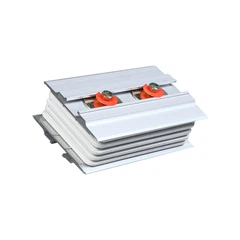
Connectors play a vital role in the proper functioning of a Busway Tap - off Box. One common type of connector is the Aluminum Busway Connector.
- Corrosion: Check the connectors for signs of corrosion. Corrosion can increase the resistance in the connection, leading to overheating and power loss. If you notice corrosion, you can clean the connectors with a suitable cleaning solution and a wire brush. In some cases, you may need to replace the corroded connectors.
- Proper Installation: Make sure the connectors are installed correctly. Incorrect installation can cause loose connections or improper alignment, which can lead to electrical problems. Refer to the manufacturer's installation instructions to ensure that the connectors are installed properly.
Software and Control Systems (if applicable)
Some modern Busway Tap - off Boxes come with software and control systems. If your box has these features, you'll need to troubleshoot them as well.


- Error Codes: Check for any error codes displayed on the control panel. These codes can provide valuable information about what's going wrong. Refer to the user manual to interpret the error codes and follow the recommended troubleshooting steps.
- Software Updates: Make sure the software in the control system is up - to - date. Sometimes, software bugs can cause issues, and updating the software can fix these problems.
When to Call in the Professionals
If you've gone through all the troubleshooting steps and still can't figure out what's wrong, or if you're dealing with a complex electrical problem, it's time to call in the professionals. Electrical work can be dangerous, and it's better to be safe than sorry.
Contact for Procurement
If you're in the market for a new Busway Tap - off Box or need replacement parts after troubleshooting, don't hesitate to reach out. We're here to provide you with high - quality products and excellent customer service. Just contact us to discuss your requirements and start a procurement conversation.
References
- Electrical Power Distribution Handbook
- Manufacturer's Manuals for Busway Tap - off Boxes, High - Insulation Polyester Film, and Aluminum Busway Connectors
Send Inquiry