

How to transport copper bus ducts safely?
Aug 04, 2025
Leave a message
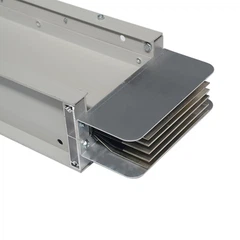
Hey there! I'm a supplier of copper bus ducts, and I've seen firsthand how important it is to transport these things safely. Copper bus ducts are a crucial part of electrical distribution systems, and any damage during transportation can lead to big problems down the line. So, in this blog post, I'm gonna share some tips on how to transport copper bus ducts safely.
Pre - transport Preparation
First things first, you gotta do a thorough inspection of the copper bus ducts before you even think about moving them. Check for any visible damage like scratches, dents, or cracks. Even a small scratch can weaken the duct and affect its performance. Make sure all the connections are tight and secure. Loose connections can come apart during transit and cause short - circuits later.
Next, clean the bus ducts. Remove any dirt, dust, or debris that might have accumulated on them. This not only helps in preventing corrosion but also makes it easier to spot any potential issues.
Now, let's talk about packaging. You need to use high - quality packaging materials. Wrap the bus ducts in protective foam or bubble wrap. This acts as a cushion and absorbs any shocks during transportation. For larger bus ducts, you can use wooden crates. The crates should be well - built and sturdy enough to withstand the weight and movement of the ducts. Make sure to secure the bus ducts inside the crate using straps or bolts so they don't move around.
Loading and Unloading
When it comes to loading the copper bus ducts onto the transport vehicle, be extra careful. Use proper lifting equipment like forklifts or cranes. The operators should be well - trained to handle these heavy and delicate items. Avoid dropping or throwing the bus ducts as this can cause serious damage.
During loading, stack the bus ducts in an organized way. Place the heavier and larger ducts at the bottom and the lighter ones on top. This helps in maintaining the stability of the load. Make sure there is enough space between the ducts to prevent them from rubbing against each other and causing scratches.
Unloading is just as important as loading. Follow the same careful procedures. Unload the bus ducts one by one and place them in a safe area. Inspect them again after unloading to make sure they haven't been damaged during the journey.
Transportation
Choose the right transport vehicle. For short - distance transportation, a flatbed truck might be a good option. But for longer distances, an enclosed trailer is better as it protects the bus ducts from the elements like rain, snow, and sunlight. Sunlight can cause the copper to heat up and expand, which might affect its performance.
The vehicle should have a smooth ride. Avoid rough roads as much as possible. Bumps and vibrations can damage the bus ducts. If you're transporting the ducts over a long distance, make regular stops to check the load. Make sure the straps are still tight and the ducts are in place.
It's also important to consider the temperature and humidity during transportation. Extreme temperatures can cause the copper to expand or contract, and high humidity can lead to corrosion. If necessary, use climate - controlled transport vehicles to maintain a stable environment.


Special Considerations for Different Types of Bus Ducts
There are different types of copper bus ducts, and each might require some special attention. For example, the Busway Horizontal Elbow has a unique shape. When packaging and transporting it, make sure to support its curved parts properly. Use custom - made foam inserts if needed to keep its shape intact.
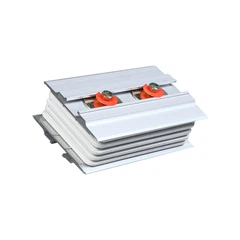
The Busway Junction is another critical component. It has multiple connections and ports. Wrap it carefully to protect these sensitive areas. You might want to use additional padding around the junctions to prevent any damage.
The 4000a Bus Duct is usually larger and heavier. You'll need stronger packaging materials and more robust lifting equipment. Make sure the transport vehicle can handle its weight and size.
Documentation
Keep detailed documentation of the transportation process. This includes records of the inspection before and after transportation, the packaging materials used, the type of transport vehicle, and the route taken. In case there are any issues or disputes later, this documentation can be very helpful.
Conclusion
Transporting copper bus ducts safely is no easy task, but it's definitely doable. By following these tips, you can ensure that your bus ducts reach their destination in perfect condition. As a copper bus duct supplier, I know how important it is for my customers to receive high - quality products. If you're in the market for copper bus ducts or need more advice on transportation, feel free to reach out. We're here to help you with all your electrical distribution needs.
References
- Electrical Installation Handbook by Schneider Electric
- Guide to Safe Transportation of Industrial Equipment
Send Inquiry