

How to quickly detect faults in a data center busway?
Aug 26, 2025
Leave a message
As a seasoned supplier of Data Center Busway, I understand the critical importance of quickly detecting faults in these systems. A data center is the heart of modern business operations, and any disruption in its power supply can lead to significant financial losses and operational downtime. In this blog, I'll share some effective strategies and techniques for rapidly identifying faults in a data center busway.
Understanding the Basics of Data Center Busway
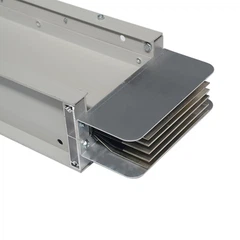
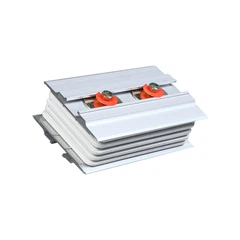
Before delving into fault detection, it's essential to have a clear understanding of what a data center busway is. A Data Center Busway is a prefabricated electrical distribution system that efficiently conducts electricity from a power source to various electrical loads within a data center. It consists of busbars, which are conductors made of copper or aluminum, enclosed in a protective housing. The busway system is designed to handle high electrical currents and provide a reliable power distribution solution.
Importance of Quick Fault Detection
Faults in a data center busway can occur due to various reasons, such as overloading, short circuits, loose connections, or environmental factors. These faults can lead to power outages, equipment damage, and even pose a safety hazard to personnel. Therefore, detecting faults quickly is crucial to minimize downtime, prevent equipment damage, and ensure the safety of the data center environment.
Visual Inspection
One of the simplest and most effective ways to detect faults in a data center busway is through visual inspection. Regular visual inspections can help identify obvious signs of damage, such as cracks in the housing, loose connections, or discoloration of the busbars. Inspectors should look for signs of overheating, such as melted insulation or charred marks on the busbars. Additionally, they should check for any signs of water ingress, which can cause corrosion and electrical shorts.
Thermal Imaging
Thermal imaging is a non-invasive technique that uses infrared cameras to detect heat patterns in the busway system. By identifying areas of abnormal heat, thermal imaging can help pinpoint potential faults before they cause a significant problem. Hotspots in the busway can indicate loose connections, overloading, or other electrical issues. Regular thermal imaging inspections can help detect these issues early and prevent costly downtime.
Electrical Testing
Electrical testing is another essential method for detecting faults in a data center busway. Various electrical tests can be performed, such as insulation resistance testing, continuity testing, and voltage testing. Insulation resistance testing measures the resistance of the insulation material between the busbars and the housing. A low insulation resistance value can indicate a potential short circuit or insulation breakdown. Continuity testing checks the integrity of the electrical circuit by measuring the resistance between two points. Voltage testing measures the voltage levels at different points in the busway system to ensure that they are within the acceptable range.
Monitoring Systems
Installing a monitoring system is an effective way to continuously monitor the performance of a data center busway. Monitoring systems can provide real-time data on various parameters, such as temperature, current, voltage, and power consumption. By analyzing this data, operators can detect any abnormal trends or deviations from the normal operating conditions. Monitoring systems can also send alerts to operators when a fault is detected, allowing them to take immediate action.


Predictive Maintenance
Predictive maintenance is a proactive approach to maintenance that uses data analysis and machine learning algorithms to predict when a fault is likely to occur. By analyzing historical data on the performance of the busway system, predictive maintenance algorithms can identify patterns and trends that indicate a potential fault. This allows operators to schedule maintenance activities before a fault occurs, reducing downtime and maintenance costs.
Training and Education
Proper training and education are essential for ensuring that data center personnel are equipped with the knowledge and skills to detect and troubleshoot faults in a data center busway. Operators should receive training on the proper use of inspection tools, such as thermal imaging cameras and electrical testing equipment. They should also be trained on the safety procedures for working with electrical systems. Additionally, regular training and education programs can help keep operators up-to-date with the latest technologies and best practices in data center busway maintenance.
Conclusion
In conclusion, quickly detecting faults in a data center busway is crucial for ensuring the reliability and safety of the data center environment. By implementing a comprehensive fault detection strategy that includes visual inspection, thermal imaging, electrical testing, monitoring systems, and predictive maintenance, data center operators can minimize downtime, prevent equipment damage, and ensure the safety of their personnel. As a Data Center Busway supplier, we are committed to providing high-quality products and services that meet the needs of our customers. If you are interested in learning more about our products or services, please contact us to discuss your specific requirements.
References
- Electrical Safety Foundation International. (n.d.). Electrical Safety in Data Centers. Retrieved from https://www.esfi.org/electrical-safety-in-data-centers
- Schneider Electric. (n.d.). Data Center Busway Solutions. Retrieved from https://www.se.com/us/en/product-range/6000-data-center-busway-solutions/
- Siemens. (n.d.). Busbar Trunking Systems for Data Centers. Retrieved from https://new.siemens.com/global/en/products/energy/distribution/busbar-trunking-systems.html
Send Inquiry