

How to protect a busway vertical elbow from environmental factors?
Dec 18, 2025
Leave a message
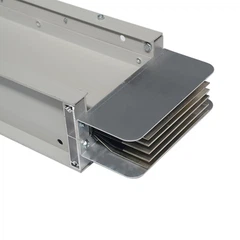
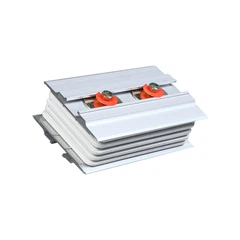
Busway vertical elbows play a critical role in electrical distribution systems, serving as essential components for redirecting electrical power vertically. As a supplier of busway vertical elbows, I understand the importance of protecting these components from various environmental factors to ensure their long - term performance and reliability. In this blog, I will share some effective strategies on how to safeguard busway vertical elbows against different environmental challenges.
Understanding the Environmental Threats
Before delving into protection methods, it's crucial to understand the environmental factors that can pose risks to busway vertical elbows. These factors include moisture, dust, temperature variations, and chemical contaminants.
Moisture is one of the most common and damaging environmental factors. When water penetrates the busway vertical elbow, it can cause corrosion of the conductors, insulation degradation, and even short - circuits. High humidity levels can also lead to the growth of mold and mildew, which further compromises the integrity of the insulation and can be a health hazard in some environments.
Dust and dirt particles can accumulate on the surface of the busway vertical elbow. Over time, this build - up can act as an insulator, trapping heat and causing overheating. In addition, abrasive dust particles can scratch the protective coatings and insulation, exposing the conductors to potential damage.
Temperature variations can cause thermal expansion and contraction of the materials in the busway vertical elbow. Frequent and extreme temperature changes can lead to mechanical stress, which may result in cracks in the insulation or loosening of connections. This, in turn, can increase the risk of electrical failures.
Chemical contaminants, such as acids, alkalis, and solvents, can also cause significant damage to busway vertical elbows. These substances can corrode the conductors, degrade the insulation, and weaken the structural integrity of the components.
Protection Strategies
1. Enclosure Design
A well - designed enclosure is the first line of defense against environmental factors. The enclosure should be made of high - quality, corrosion - resistant materials such as stainless steel or aluminum. It should have a tight seal to prevent the ingress of moisture, dust, and dirt.
For outdoor applications, the enclosure should be rated for external use, such as NEMA 3R, NEMA 4, or NEMA 4X. These ratings ensure that the enclosure can withstand harsh weather conditions, including rain, snow, and UV radiation. The enclosure should also have proper ventilation to prevent overheating, but the vents should be equipped with filters to prevent the entry of dust.
For indoor applications in industrial settings, the enclosure can be rated according to the specific environmental conditions. For example, in a dusty environment, a NEMA 12 enclosure may be suitable, which provides protection against dust, dripping water, and non - corrosive liquids.
2. Sealing and Gasketing
Proper sealing and gasketing are essential to prevent moisture and dust from entering the busway vertical elbow. The joints and openings in the enclosure should be sealed with high - quality gaskets made of materials such as silicone or neoprene. These gaskets should be able to withstand temperature variations and resist chemical attack.
The seals around the conductors and connectors should also be carefully designed and maintained. Any gaps or leaks in these seals can allow moisture and contaminants to penetrate, leading to potential electrical problems. Regular inspection and replacement of gaskets are necessary to ensure their effectiveness.
3. Insulation Materials
The choice of insulation materials is crucial for protecting busway vertical elbows from environmental factors. High - quality insulation materials with good moisture resistance, chemical resistance, and thermal stability should be used.
For example, cross - linked polyethylene (XLPE) is a popular insulation material for busway systems. It has excellent electrical insulation properties, high resistance to moisture and chemicals, and can withstand a wide range of temperatures. Another option is ethylene propylene rubber (EPR), which also offers good insulation performance and environmental resistance.
In addition to the insulation material itself, the insulation thickness should be carefully selected based on the application and the expected environmental conditions. Thicker insulation can provide better protection against moisture, temperature variations, and mechanical damage.
4. Coating and Painting
Applying a protective coating or paint to the surface of the busway vertical elbow can provide an additional layer of protection against corrosion, moisture, and UV radiation. Epoxy coatings are commonly used for this purpose, as they offer good adhesion, chemical resistance, and durability.
The coating should be applied evenly and to the appropriate thickness. Regular inspection of the coating for any signs of damage, such as chipping or peeling, is essential. If damage is detected, the coating should be repaired or reapplied promptly.
5. Monitoring and Maintenance
Regular monitoring and maintenance are vital for ensuring the long - term protection of busway vertical elbows. Temperature sensors can be installed in the busway to monitor for any overheating, which may indicate a problem with the insulation or connections.
Visual inspections should be carried out periodically to check for signs of corrosion, damage to the enclosure, and wear of the gaskets. Any issues detected during the inspections should be addressed immediately to prevent further damage.
In addition, the electrical performance of the busway vertical elbow, such as insulation resistance and contact resistance, should be tested regularly. This can help detect any early signs of deterioration and allow for timely maintenance or replacement.
Our Product Offerings
As a leading supplier of busway vertical elbows, we offer a wide range of products that are designed to meet the highest standards of quality and environmental protection. Our products are compatible with various electrical distribution systems, including Phase Segregated Bus Duct and New Generation Sandwich Busduct.
We use only the best materials and manufacturing processes to ensure that our busway vertical elbows are reliable and long - lasting. Our enclosures are made of high - quality stainless steel or aluminum, and they are designed with tight seals and proper ventilation. The insulation materials we use are carefully selected for their excellent performance in different environmental conditions.
In addition, we also provide high - quality Bus Duct Flange to ensure secure and reliable connections in the electrical distribution system.
Contact Us for Purchase and Consultation
If you are looking for high - quality busway vertical elbows that are well - protected against environmental factors, we are here to help. Our experienced team can provide you with detailed product information, technical support, and customized solutions to meet your specific needs.


Whether you are involved in a new construction project, an electrical system upgrade, or simply need replacement parts, we can offer you the best products and services. Contact us today to start the procurement discussion and take the first step towards a more reliable and efficient electrical distribution system.
References
- Electrical Distribution Handbook, by Cooper Power Systems
- National Electrical Code (NEC), National Fire Protection Association
- Standards for Busway Systems, Institute of Electrical and Electronics Engineers (IEEE)
Send Inquiry