

How to protect a bus duct flange from seawater corrosion?
Aug 17, 2026
Leave a message
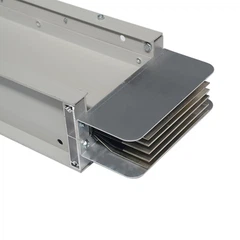
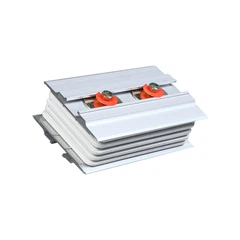
Hey there! I'm a supplier of bus duct flanges, and I've seen firsthand how seawater corrosion can mess with these parts. It's a real headache, especially in coastal areas or marine environments where buses and electrical systems are exposed to the harshness of the ocean. So, I thought I'd share some tips on how to protect a bus duct flange from seawater corrosion.
Understanding the Problem
Seawater is a highly corrosive medium. It's full of salts, mainly sodium chloride, which can lead to electrochemical corrosion. When the bus duct flange comes into contact with seawater, a chemical reaction occurs. The metal in the flange acts as an anode, losing electrons and gradually deteriorating.
The corrosion process can be accelerated by factors like temperature, oxygen levels, and the flow rate of the seawater. Higher temperatures increase the rate of chemical reactions, while more oxygen in the water can speed up oxidation. Fast - flowing seawater can also erode the protective layers on the flange, making it more vulnerable.
Choosing the Right Materials
One of the first steps in protecting bus duct flanges from seawater corrosion is to pick the right materials. Stainless steel is a great option. It contains chromium, which forms a thin, protective oxide layer on the surface. This layer acts as a barrier, preventing further corrosion. Grade 316 stainless steel is particularly good for marine applications because it has a higher molybdenum content, which enhances its resistance to pitting and crevice corrosion in seawater.
Another option is aluminum alloy. Aluminum has a natural oxide layer that protects it from corrosion. However, this layer can be damaged, so sometimes, special coatings are applied to enhance its corrosion resistance. Titanium is also extremely corrosion - resistant in seawater, but it's quite expensive, so it may not be the most cost - effective choice for large - scale applications.
Applying Protective Coatings
Coatings are a popular way to protect bus duct flanges. There are several types of coatings available:
Epoxy Coatings
Epoxy coatings are very durable and can provide excellent protection against seawater. They form a hard, tough film on the surface of the flange. You can apply them in multiple layers for added protection. Before applying the epoxy coating, the flange surface needs to be properly prepared. This usually involves cleaning it thoroughly to remove any dirt, oil, or rust. Sandblasting is often used to create a rough surface, which helps the coating adhere better.
Zinc - Rich Primer
A zinc - rich primer can be used as a base coat. Zinc is more reactive than most metals in the flange, so it acts as a sacrificial anode. This means that when corrosion occurs, the zinc will corrode first, protecting the underlying metal. After applying the zinc - rich primer, a topcoat can be added for additional protection.
Cathodic Protection
Cathodic protection is a method that involves making the bus duct flange the cathode in an electrochemical cell. There are two main types of cathodic protection:
Sacrificial Anode Cathodic Protection
In this method, a more reactive metal, such as zinc or magnesium, is connected to the bus duct flange. The sacrificial anode corrodes instead of the flange. For bus duct flanges in seawater, zinc anodes are commonly used because they are effective and relatively inexpensive. The anodes need to be regularly checked and replaced when they are significantly corroded.
Impressed Current Cathodic Protection
This method uses an external power source to supply a direct electric current to the bus duct flange. The current forces the flange to become the cathode and prevents corrosion. It's more complex and expensive than sacrificial anode cathodic protection but can be more effective in large - scale or high - risk applications.


Regular Inspection and Maintenance
No matter how well you protect the bus duct flange, regular inspection and maintenance are essential. Inspect the flange for signs of corrosion, such as rust spots, pitting, or cracks. Check the integrity of the coatings and the cathodic protection systems.
If you notice any damage, make repairs immediately. For minor coating damage, you can touch - up the coating. If there is significant corrosion, you may need to replace the damaged parts. It's also a good idea to clean the flange regularly to remove any salt deposits or other contaminants.
Our Product Range
As a bus duct flange supplier, we offer a wide range of products. We have flanges made from high - quality stainless steel, which are great for resisting seawater corrosion. Our products are designed to be durable and reliable, ensuring long - term performance in harsh marine environments.
We also supply related products like Rising Mains Bus Duct, 4000a Bus Duct, and Busway Vertical Elbow. These products are also engineered to withstand the challenges of seawater corrosion.
Conclusion
Protecting a bus duct flange from seawater corrosion requires a combination of proper material selection, protective coatings, cathodic protection, and regular maintenance. By following these steps, you can significantly extend the lifespan of your bus duct flanges and ensure the reliability of your electrical systems.
If you're in the market for high - quality bus duct flanges and related products, don't hesitate to reach out. We're here to help you find the best solutions for your specific needs. Let's have a chat and see how we can work together to keep your electrical systems in top shape.
References
- Jones, D. A. (1996). Principles and prevention of corrosion (2nd ed.). Prentice Hall.
- Fontana, M. G. (1986). Corrosion engineering (3rd ed.). McGraw - Hill.
Send Inquiry