

How to prevent corrosion of Fireproof Bus Duct in corrosive environments?
Dec 01, 2025
Leave a message
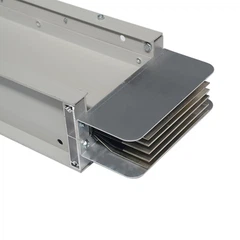
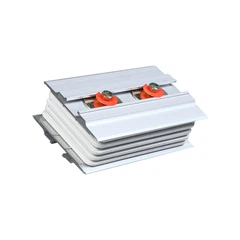
Corrosion is a significant concern when it comes to the performance and longevity of Fireproof Bus Ducts, especially in corrosive environments. As a Fireproof Bus Duct supplier, I understand the challenges that come with ensuring the durability of these essential electrical components. In this blog, I will share some effective strategies to prevent the corrosion of Fireproof Bus Ducts in such harsh conditions.


Understanding the Corrosive Environment
Before we delve into the prevention methods, it's crucial to understand the nature of corrosive environments. These can include areas with high humidity, exposure to chemicals, saltwater, or industrial pollutants. Each type of corrosive environment presents unique challenges, and the prevention strategies need to be tailored accordingly.
High humidity environments, for example, can lead to the formation of condensation on the surface of the bus duct. This moisture can react with the metal components, initiating the corrosion process. Chemical exposure, on the other hand, can cause more severe damage, as certain chemicals can directly react with the materials of the bus duct, leading to rapid degradation.
Material Selection
One of the most fundamental steps in preventing corrosion is choosing the right materials for the Fireproof Bus Duct. High-quality, corrosion-resistant materials can significantly enhance the durability of the bus duct in corrosive environments.
Stainless steel is a popular choice for bus duct enclosures due to its excellent corrosion resistance. It contains chromium, which forms a passive oxide layer on the surface, protecting the underlying metal from further corrosion. Additionally, aluminum alloys can also be used, as they have a natural oxide layer that provides some level of corrosion protection.
When selecting materials, it's important to consider the specific requirements of the application. For example, in saltwater environments, materials with higher resistance to chloride ions should be chosen. Our Fireproof Bus Duct is designed with high-quality, corrosion-resistant materials to ensure optimal performance in various corrosive conditions.
Surface Treatment
In addition to material selection, surface treatment can further enhance the corrosion resistance of the Fireproof Bus Duct. There are several surface treatment methods available, each with its own advantages.
Galvanization is a common surface treatment method that involves coating the metal with a layer of zinc. The zinc acts as a sacrificial anode, protecting the underlying metal from corrosion. Another option is powder coating, which provides a durable and protective layer on the surface of the bus duct. Powder coating can also be customized to provide additional properties, such as UV resistance.
We offer a range of surface treatment options for our Fireproof Bus Duct to meet the specific needs of our customers. Our experienced team can recommend the most suitable surface treatment based on the application and the corrosive environment.
Sealing and Enclosure Design
Proper sealing and enclosure design are essential to prevent the ingress of moisture and corrosive agents into the Fireproof Bus Duct. A well-sealed enclosure can significantly reduce the risk of corrosion.
The enclosure should be designed to have a tight seal, with gaskets and seals that are resistant to the corrosive environment. Additionally, the design should allow for proper ventilation to prevent the buildup of moisture inside the enclosure.
Our Fireproof Bus Duct is designed with a robust enclosure that provides excellent protection against moisture and corrosive agents. The enclosure is sealed to prevent the ingress of water and other contaminants, ensuring the long-term reliability of the bus duct.
Regular Inspection and Maintenance
Regular inspection and maintenance are crucial to detect and address any signs of corrosion early on. By conducting routine inspections, potential issues can be identified and resolved before they cause significant damage to the Fireproof Bus Duct.
During inspections, it's important to check for signs of corrosion, such as rust, discoloration, or pitting. Any damaged or corroded components should be replaced immediately. Additionally, the enclosure should be inspected for any signs of damage or wear, and the seals should be checked for proper functioning.
We recommend a regular maintenance schedule for our Fireproof Bus Duct to ensure its optimal performance. Our team of experts can provide guidance on the inspection and maintenance procedures, as well as offer maintenance services if needed.
Protection Against Chemical Exposure
In environments where the Fireproof Bus Duct is exposed to chemicals, additional protection measures may be required. This can include using chemical-resistant coatings or enclosures.
Chemical-resistant coatings can provide a barrier between the bus duct and the corrosive chemicals, preventing direct contact and reducing the risk of corrosion. Enclosures made of chemical-resistant materials can also be used to protect the bus duct from chemical exposure.
Our Fireproof Bus Duct can be customized with chemical-resistant coatings and enclosures to meet the specific requirements of applications in chemical environments. Our team can work with you to determine the most suitable protection measures based on the type of chemicals present and the level of exposure.
Monitoring and Control
Implementing a monitoring and control system can help to detect and prevent corrosion in real-time. This can include using sensors to monitor the environmental conditions, such as humidity and temperature, as well as the condition of the bus duct itself.
By continuously monitoring the environmental conditions, adjustments can be made to the ventilation or other protective measures to prevent the formation of corrosion. Additionally, sensors can be used to detect any early signs of corrosion, allowing for timely intervention.
We offer advanced monitoring and control solutions for our Fireproof Bus Duct to ensure its long-term performance and reliability. Our monitoring systems can provide real-time data and alerts, allowing you to take proactive measures to prevent corrosion.
Conclusion
Preventing the corrosion of Fireproof Bus Ducts in corrosive environments requires a comprehensive approach that includes material selection, surface treatment, sealing and enclosure design, regular inspection and maintenance, protection against chemical exposure, and monitoring and control. By implementing these strategies, the durability and performance of the bus duct can be significantly enhanced, ensuring its long-term reliability.
As a Fireproof Bus Duct supplier, we are committed to providing high-quality products and solutions that meet the specific needs of our customers. Our Fireproof Bus Duct, Fire-Resistant Busduct Elbow, and Fire-Resistant Busway Feeder Unit are designed with the latest technologies and materials to provide optimal performance in corrosive environments.
If you are interested in learning more about our Fireproof Bus Duct products or have any questions about preventing corrosion, please contact us. Our team of experts will be happy to assist you and provide you with the information you need to make an informed decision.
References
- ASM Handbook, Volume 13A: Corrosion: Fundamentals, Testing, and Protection.
- National Fire Protection Association (NFPA) standards related to electrical systems and fire protection.
- Industry research reports on the performance of Fireproof Bus Ducts in corrosive environments.
Send Inquiry