

How to improve the fire - resistance of a bus duct flange?
Aug 06, 2026
Leave a message
Hey there! I'm a supplier of bus duct flanges, and I know how crucial it is to have high fire - resistant bus duct flanges. In this blog, I'll share some practical ways to improve the fire - resistance of a bus duct flange.
Understanding the Basics of Bus Duct Flanges
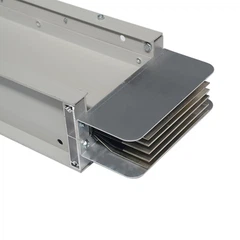
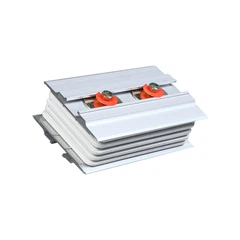
Before we dive into the ways to improve fire - resistance, let's quickly go over what bus duct flanges are. Bus duct flanges are used to connect different sections of bus ducts. They play a vital role in ensuring the proper functioning of electrical distribution systems. There are different types of bus ducts, like the Bus Duct Tap Off Unit, Feeder Bus Duct, and Enclosed Busduct. Each type has its own requirements when it comes to fire - resistance.
Material Selection
One of the most important factors in improving the fire - resistance of a bus duct flange is the material. We need to choose materials that can withstand high temperatures without losing their structural integrity.
Fire - Resistant Metals
Metals like stainless steel are a great choice. Stainless steel has a high melting point and can resist fire for a relatively long time. It also doesn't rust easily, which is a plus for long - term use. Another option is aluminum. Aluminum has good heat - dissipation properties, which can help in reducing the temperature inside the bus duct during a fire.
Fire - Resistant Coatings
Applying fire - resistant coatings to the bus duct flanges can significantly improve their fire - resistance. These coatings are designed to form a protective layer on the surface of the flange. When exposed to fire, the coating can expand and create an insulating barrier that slows down the transfer of heat. There are different types of fire - resistant coatings available in the market, and we need to choose the one that suits our specific requirements.
Design Considerations
The design of the bus duct flange also plays a crucial role in its fire - resistance.
Sealing
Proper sealing is essential to prevent the spread of fire and smoke through the bus duct. We need to use high - quality gaskets that are fire - resistant. These gaskets should fit tightly around the flange to create a seal. A good seal not only helps in containing the fire but also prevents the entry of oxygen, which can fuel the fire.
Ventilation
While sealing is important, we also need to consider ventilation. Proper ventilation can help in reducing the temperature inside the bus duct during a fire. We can design the bus duct flange in such a way that it allows for controlled ventilation. This can be achieved by adding small vents or perforations in the flange, but we need to make sure that these vents are designed in a way that they don't compromise the fire - resistance of the flange.
Testing and Certification
It's not enough to just design and manufacture fire - resistant bus duct flanges. We also need to test them to ensure that they meet the required standards.
Fire Testing
There are various fire - testing methods available. For example, we can conduct a fire endurance test, where the bus duct flange is exposed to a controlled fire for a specific period of time. During this test, we measure the temperature inside the bus duct, the integrity of the flange, and the spread of fire and smoke. If the flange passes the test, it means that it has a certain level of fire - resistance.
Certification
Once the bus duct flange passes the fire - testing, it can be certified. Certification is important as it gives our customers confidence in the product. There are different certification bodies, and we need to make sure that our products meet the standards set by these bodies.
Maintenance and Inspection
Even after the bus duct flanges are installed, we need to carry out regular maintenance and inspection.
Regular Cleaning
Dirt and debris can accumulate on the bus duct flanges over time. This can affect their fire - resistance. We need to clean the flanges regularly to remove any dirt or debris. This can be done using a soft brush or a cloth.
Inspection
We should also conduct regular inspections of the bus duct flanges. During the inspection, we check for any signs of damage, such as cracks or corrosion. If we find any issues, we need to repair or replace the flange immediately.
Cost - Benefit Analysis
Improving the fire - resistance of bus duct flanges may come with a cost. However, we need to consider the long - term benefits. A fire - resistant bus duct flange can prevent fires from spreading, which can save lives and property. It can also reduce the downtime of the electrical distribution system, which can result in cost savings in the long run.


Conclusion
Improving the fire - resistance of a bus duct flange is a multi - faceted process. It involves choosing the right materials, designing the flange properly, testing and certifying it, and carrying out regular maintenance and inspection. As a bus duct flange supplier, I'm committed to providing high - quality products that meet the highest fire - resistance standards.
If you're interested in purchasing bus duct flanges with excellent fire - resistance, I'd love to have a chat with you. Reach out to us for more information and let's discuss how we can meet your specific needs.
References
- National Fire Protection Association (NFPA) standards
- International Electrotechnical Commission (IEC) guidelines
- Industry research on fire - resistant materials and bus duct design
Send Inquiry