

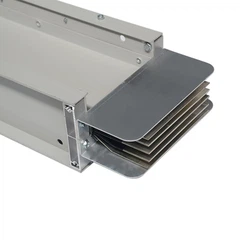
How to ensure good heat dissipation of Lighting Bus Duct?
Oct 29, 2026
Leave a message
As a supplier of Lighting Bus Duct, I understand the critical importance of ensuring good heat dissipation for this product. In this blog, I will share some key strategies and considerations to help you maintain optimal heat dissipation for Lighting Bus Duct.
Understanding the Basics of Heat Dissipation in Lighting Bus Duct
Lighting Bus Duct, like Lighting Bus Duct, is an essential component in electrical distribution systems. It is designed to carry electrical power to lighting fixtures and other electrical equipment. During operation, electrical current flowing through the bus duct generates heat. If this heat is not properly dissipated, it can lead to a variety of problems, including reduced efficiency, premature component failure, and even safety hazards.
The heat generated in a Lighting Bus Duct is primarily due to the resistance of the conductors. According to Joule's law, the power dissipated as heat (P) is given by the formula (P = I^{2}R), where (I) is the current flowing through the conductor and (R) is the resistance of the conductor. As the current increases or the resistance of the conductor is higher, more heat is generated.
Design Considerations for Heat Dissipation
Conductor Material and Size
The choice of conductor material and size plays a crucial role in heat dissipation. Copper and aluminum are the most commonly used materials for bus duct conductors. Copper has a lower resistivity than aluminum, which means it generates less heat for the same current. Therefore, using copper conductors can help reduce the amount of heat generated in the bus duct.
In addition to the material, the size of the conductor also affects heat dissipation. A larger cross - sectional area of the conductor results in lower resistance. By increasing the conductor size, we can reduce the heat generated due to resistance. For example, if a Lighting Bus Duct is designed to carry a high current, using a larger conductor size can help maintain a lower temperature.
Insulation Material
The insulation material used in the Lighting Bus Duct also impacts heat dissipation. Good insulation materials should have high thermal conductivity to allow heat to transfer from the conductors to the surrounding environment. At the same time, they should also provide adequate electrical insulation to prevent short - circuits.
Some modern insulation materials, such as mica - based or ceramic - based materials, offer a good balance between electrical insulation and thermal conductivity. These materials can help dissipate heat more effectively while ensuring the safety of the electrical system.
Ventilation Design
Proper ventilation is essential for heat dissipation in Lighting Bus Duct. The design of the bus duct should allow for the free flow of air around the conductors. This can be achieved through the use of ventilation holes or channels in the bus duct enclosure.
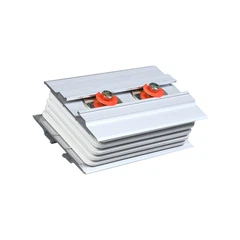
For example, Air - Insulated Bus Duct Feeder Unit often has a design that promotes natural convection. The hot air inside the bus duct rises and escapes through the ventilation holes at the top, while cool air is drawn in from the bottom. This continuous air circulation helps to carry away the heat generated by the conductors.
Installation and Maintenance
Correct Installation
Proper installation is crucial for ensuring good heat dissipation. The bus duct should be installed in a well - ventilated area, away from sources of heat and obstructions. The connections between the bus duct sections should be tight and secure to minimize resistance at the joints. Loose connections can increase resistance and generate more heat.
During installation, it is also important to ensure that the bus duct is not overcrowded. There should be enough space around the bus duct to allow for proper air circulation. If the bus duct is installed in a confined space, it may be necessary to install additional ventilation equipment, such as fans, to improve air flow.
Regular Maintenance
Regular maintenance is necessary to keep the Lighting Bus Duct in good working condition and ensure optimal heat dissipation. This includes checking the connections for tightness, inspecting the insulation for damage, and cleaning the bus duct to remove any dust or debris that may accumulate over time.
Dust and debris can act as insulators and prevent heat from dissipating effectively. By cleaning the bus duct regularly, we can ensure that the heat generated by the conductors can be transferred to the surrounding environment more efficiently.
Monitoring and Control
Temperature Monitoring
Installing temperature sensors in the Lighting Bus Duct can help monitor the temperature and detect any abnormal heat buildup. These sensors can be connected to a monitoring system that can alert the operators if the temperature exceeds a certain threshold.

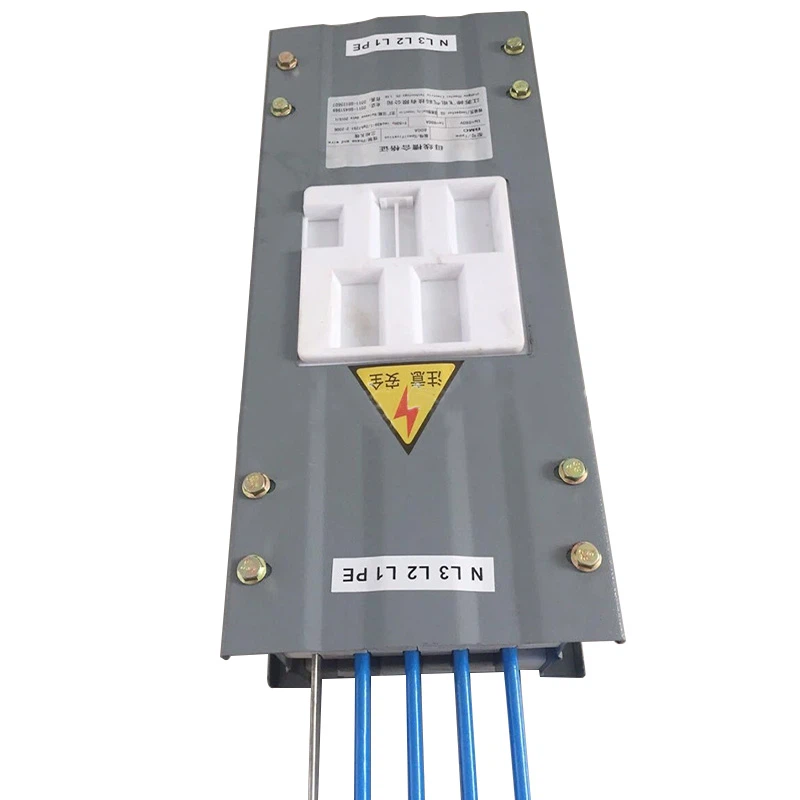
For example, if the temperature of the bus duct rises above a safe level, it may indicate a problem, such as a loose connection or a faulty component. By detecting these issues early, we can take corrective action to prevent further damage.
Load Management
Managing the electrical load on the Lighting Bus Duct is also important for heat dissipation. Overloading the bus duct can cause excessive heat generation. By monitoring the load and ensuring that it does not exceed the rated capacity of the bus duct, we can prevent overheating.
In some cases, it may be necessary to distribute the load evenly across multiple bus ducts or to upgrade the bus duct to a higher capacity if the load requirements increase.
Conclusion
Ensuring good heat dissipation for Lighting Bus Duct is essential for its reliable operation and longevity. By considering the design factors, proper installation, regular maintenance, and effective monitoring and control, we can minimize the heat generated in the bus duct and ensure that it operates at an optimal temperature.
If you are interested in purchasing Lighting Bus Duct or have any questions about heat dissipation or other related topics, please feel free to contact us for further discussion and procurement negotiation.
References
- Grover, A. (2018). Electrical Power Systems. Tata McGraw - Hill Education.
- Chapman, S. J. (2012). Electric Machinery Fundamentals. McGraw - Hill Education.
Send Inquiry