

How to connect multiple sections of Fireproof Bus Duct?
Jun 11, 2026
Leave a message
Connecting multiple sections of fireproof bus duct is a crucial process in electrical installation, especially in environments where fire safety is a top priority. As a reputable fireproof bus duct supplier, we understand the importance of proper connection techniques to ensure the reliability and safety of the electrical system. In this blog, we will explore the steps and considerations for connecting multiple sections of fireproof bus duct effectively.
Understanding Fireproof Bus Duct
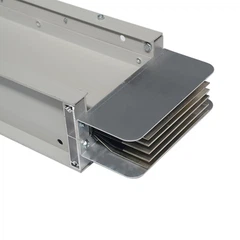
Before delving into the connection process, it's essential to understand what fireproof bus duct is. Fireproof bus duct is a type of electrical distribution system designed to withstand high temperatures and prevent the spread of fire. It consists of a series of busbars enclosed in a fire-resistant housing, which provides protection against heat, smoke, and flames.
Our company offers a range of fireproof bus duct products, including the Red-shell Fire-resistant Busway, Fire-Resistant Busduct Elbow, and Metal Enclosed Busway. These products are designed to meet the highest standards of fire safety and electrical performance.
Preparing for Connection
The first step in connecting multiple sections of fireproof bus duct is to prepare the installation site. This includes ensuring that the area is clean, dry, and free of any debris or obstacles. The bus duct sections should be carefully inspected for any damage or defects before installation.
Next, you will need to gather the necessary tools and materials for the connection. This may include wrenches, screwdrivers, insulation tape, and grounding conductors. It's important to use the correct tools and materials to ensure a secure and reliable connection.
Connecting the Bus Duct Sections
Once the installation site is prepared and the tools and materials are ready, you can begin connecting the bus duct sections. The following steps outline the general process for connecting fireproof bus duct:
- Align the Sections: Carefully align the bus duct sections to ensure that the busbars are properly aligned. This will help to ensure a good electrical connection and prevent any short circuits.
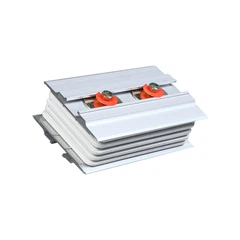
- Connect the Busbars: Use the appropriate connectors to connect the busbars of the adjacent sections. Make sure that the connectors are tightened securely to prevent any loose connections.
- Seal the Joints: Apply a fire-resistant sealant to the joints between the bus duct sections to prevent the spread of fire and smoke. This will help to maintain the integrity of the fireproof enclosure.
- Ground the Bus Duct: Connect the grounding conductors to the bus duct to ensure proper grounding. This will help to protect against electrical shocks and ensure the safety of the electrical system.
- Inspect the Connection: Once the connection is complete, carefully inspect the bus duct to ensure that all connections are secure and that there are no signs of damage or defects.
Considerations for Connection
When connecting multiple sections of fireproof bus duct, there are several important considerations to keep in mind:


- Electrical Rating: Make sure that the bus duct sections have the same electrical rating to ensure compatibility. This will help to prevent overloading and ensure the safe operation of the electrical system.
- Mechanical Support: Provide adequate mechanical support for the bus duct sections to prevent sagging or movement. This will help to ensure the stability and reliability of the installation.
- Environmental Conditions: Consider the environmental conditions of the installation site, such as temperature, humidity, and exposure to chemicals. Choose a bus duct that is suitable for the specific environment to ensure long-term performance.
- Code Compliance: Ensure that the installation complies with all relevant electrical codes and standards. This will help to ensure the safety and reliability of the electrical system.
Troubleshooting and Maintenance
Even with proper installation and connection, issues may arise with the fireproof bus duct over time. Here are some common troubleshooting tips and maintenance practices:
- Inspect Regularly: Regularly inspect the bus duct for any signs of damage, wear, or corrosion. This will help to identify potential issues early and prevent costly repairs.
- Clean the Bus Duct: Keep the bus duct clean and free of debris to prevent overheating and electrical problems. Use a soft brush or compressed air to remove any dust or dirt.
- Check the Connections: Periodically check the connections between the bus duct sections to ensure that they are secure. Tighten any loose connections as needed.
- Test the Electrical System: Conduct regular electrical tests to ensure that the bus duct is functioning properly. This may include insulation resistance tests, continuity tests, and temperature tests.
Conclusion
Connecting multiple sections of fireproof bus duct is a critical process that requires careful planning and execution. By following the steps and considerations outlined in this blog, you can ensure a secure and reliable connection that meets the highest standards of fire safety and electrical performance.
As a leading fireproof bus duct supplier, we are committed to providing high-quality products and expert support to our customers. If you have any questions or need assistance with your fireproof bus duct installation, please don't hesitate to contact us. We look forward to working with you to meet your electrical distribution needs.
References
- Electrical Installation Handbook, Schneider Electric
- National Electrical Code (NEC), National Fire Protection Association (NFPA)
- Fire-Resistant Busway Standards, Underwriters Laboratories (UL)
Send Inquiry