

How to connect a load to a Busway Tap - off Box?
Jun 09, 2026
Leave a message
Hey there! I'm a supplier of Busway Tap - off Boxes, and today I'm gonna walk you through the process of connecting a load to a Busway Tap - off Box. It's not as complicated as it might seem at first, but there are some important steps and considerations to keep in mind.
Understanding the Basics
First things first, let's talk about what a Busway Tap - off Box is. It's a crucial component in electrical distribution systems. It allows you to safely and efficiently tap into a busway and connect various loads, like motors, lighting fixtures, or other electrical equipment.
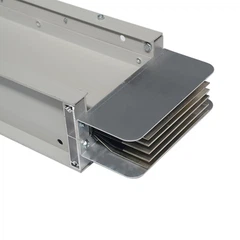
The busway itself is a prefabricated electrical distribution system that consists of busbars (conductors) enclosed in a protective housing. The Tap - off Box is designed to be attached to the busway, providing a convenient and secure connection point for your loads.
Step 1: Safety First
Before you start any electrical work, safety should be your top priority. Make sure the power to the busway is turned off. This might seem obvious, but it's easy to forget in the heat of the moment. Use a voltage tester to double - check that there's no electricity flowing through the busway. Also, wear appropriate personal protective equipment (PPE), like insulated gloves and safety glasses.
Step 2: Choose the Right Tap - off Box
As a Busway Tap - off Box supplier, I know that there are different types of tap - off boxes available, and choosing the right one is essential. Consider the size and capacity of your load. You need a tap - off box that can handle the electrical current required by your equipment. For example, if you're connecting a high - power motor, you'll need a tap - off box with a higher amp rating.
Step 3: Prepare the Busway and Tap - off Box
Once you've selected the right tap - off box, it's time to prepare the busway and the tap - off box for connection. Clean the busway surface where the tap - off box will be attached. Any dirt or debris can interfere with the electrical connection. Also, check the tap - off box for any damage or defects. Make sure all the internal components, like the contacts and terminals, are in good condition.
Step 4: Mount the Tap - off Box
Now it's time to mount the tap - off box onto the busway. Most tap - off boxes come with mounting brackets or clamps. Follow the manufacturer's instructions carefully to ensure a secure and proper installation. Make sure the tap - off box is aligned correctly with the busway so that the electrical contacts can make a good connection.
Step 5: Connect the Load
After the tap - off box is securely mounted, it's time to connect the load. First, identify the terminals in the tap - off box. Usually, there are positive and negative terminals, or in the case of three - phase systems, multiple terminals for each phase. Connect the wires from your load to the appropriate terminals in the tap - off box. Make sure the connections are tight and secure. Loose connections can cause overheating and other electrical problems.
Step 6: Check the Connection
Once the load is connected, it's important to double - check the connection. Make sure all the wires are properly connected and there are no loose strands. Also, check for any signs of damage or wear on the wires. If everything looks good, you can turn the power back on and test the load.
Using Related Products
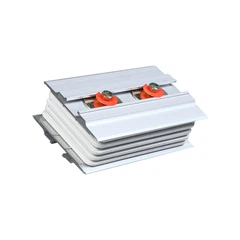
When working with busway systems, there are some related products that can enhance the performance and safety of your setup. For example, Flexible Busduct can provide more flexibility in routing the electrical connections. It's especially useful in situations where space is limited or where you need to make adjustments to the electrical layout.
Another important product is High - Insulation Polyester Film. This film can be used to insulate the busbars and prevent electrical leakage. It adds an extra layer of protection and helps to maintain the integrity of the electrical system.
Flexible Aluminum Busbar is also a great option. It offers the benefits of flexibility and good electrical conductivity. It can be easily bent and shaped to fit your specific installation requirements.
Troubleshooting
Even if you follow all the steps correctly, you might encounter some issues. If the load doesn't work after connecting it to the tap - off box, first check the power supply. Make sure the circuit breaker hasn't tripped and that the power is flowing to the busway. Also, check the connections in the tap - off box. Loose or incorrect connections are often the cause of problems.
If you notice any overheating or strange noises coming from the tap - off box, turn off the power immediately. Overheating can be a sign of a serious electrical problem, and it should be addressed right away.


Conclusion
Connecting a load to a Busway Tap - off Box is a relatively straightforward process if you follow the right steps and take the necessary safety precautions. As a Busway Tap - off Box supplier, I'm here to help you with any questions or concerns you might have. Whether you're a professional electrician or a DIY enthusiast, we have the products and expertise to meet your needs.
If you're interested in purchasing Busway Tap - off Boxes or any of the related products I mentioned, don't hesitate to reach out. We offer high - quality products at competitive prices, and our team is ready to assist you with your electrical distribution needs. Let's work together to ensure a safe and efficient electrical system for your project.
References
- Electrical Installation Manuals for Busway Systems
- Industry Standards for Electrical Connections and Safety
Send Inquiry