

How to clean the air - insulated bus duct?
Jan 12, 2026
Leave a message
Cleaning an air-insulated bus duct is a crucial maintenance task that ensures its optimal performance and longevity. As a supplier of high-quality air-insulated bus ducts, we understand the significance of proper maintenance. In this blog post, we'll guide you through the process of cleaning air-insulated bus ducts, sharing expert tips and best practices.
Understanding the Importance of Cleaning
Before delving into the cleaning process, it's essential to understand why regular cleaning is necessary. Over time, air-insulated bus ducts can accumulate dust, dirt, and other contaminants. These accumulated particles can lead to several issues, such as reduced electrical conductivity, increased heat generation, and even potential short circuits. Cleaning the bus duct helps maintain its electrical performance, enhances safety, and extends its service life.
Pre - cleaning Preparations
- Safety First: Always prioritize safety when working with electrical equipment. Ensure that the bus duct is completely de - energized before starting the cleaning process. Use appropriate personal protective equipment (PPE), including safety glasses, gloves, and insulated tools.
- Gather Necessary Tools and Materials: You'll need a range of tools and materials for the cleaning process. These include a soft - bristle brush, compressed air canister or air compressor, lint - free cloths, a mild electrical cleaner (approved for use on bus ducts), and a vacuum cleaner with a brush attachment.
Step - by - Step Cleaning Process
- Visual Inspection: Begin by carefully inspecting the bus duct. Look for any signs of physical damage, loose connections, or excessive accumulation of debris. If you notice any significant issues, consult a professional technician for further assessment and repair.
- Surface Cleaning: Use a soft - bristle brush to gently remove loose dust and dirt from the outer surface of the bus duct. Start from the top and work your way down. Be careful not to scratch the surface, as this could potentially damage the insulation.
- Blowing Out Debris: Once the surface dust is removed, use a compressed air canister or an air compressor to blow out any stubborn debris from the bus duct's interior. Direct the airflow into all accessible areas, including joints and compartments. Ensure that the air pressure is not too high to avoid damaging any components.
- Vacuuming: After blowing out the debris, use a vacuum cleaner with a brush attachment to suck up the remaining particles. Pay close attention to corners and hard - to - reach areas.
- Cleaning with Electrical Cleaner: Dampen a lint - free cloth with a mild electrical cleaner. Gently wipe the interior and exterior surfaces of the bus duct to remove any grease, oil, or stubborn stains. Avoid using excessive amounts of cleaner, as it could leave behind a residue that may affect electrical performance.
- Drying: Allow the bus duct to dry completely before re - energizing it. You can use a clean, dry cloth to speed up the drying process if necessary.
Special Considerations
- Joints and Connections: Pay special attention to the joints and connections of the bus duct. These areas are more prone to dust and dirt accumulation, and poor connections can lead to increased resistance and heat generation. Use a contact cleaner to ensure clean and tight connections.
- Environments with High Contamination: In environments with high levels of dust, chemicals, or moisture, more frequent cleaning may be required. Establish a regular maintenance schedule based on the specific conditions of your application.
- Testing after Cleaning: After cleaning and drying the bus duct, it's advisable to perform electrical tests to ensure proper functionality. This may include insulation resistance tests and continuity tests.
Maintaining Cleanliness in the Long - Run
- Regular Inspections: Conduct regular visual inspections of the bus duct to detect any early signs of dust or dirt accumulation. This allows you to address the issue promptly before it leads to more significant problems.
- Environmental Control: If possible, control the environment where the bus duct is installed. This may involve using air filters, reducing humidity levels, and minimizing the presence of airborne contaminants.
Why Choose Our Air - Insulated Bus Ducts
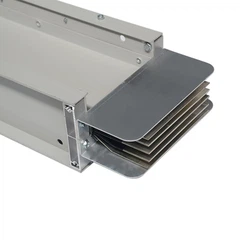
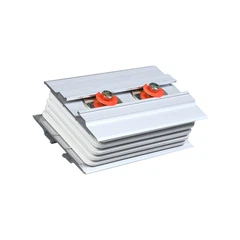
We take pride in offering top - quality air - insulated bus ducts that are designed for reliability and performance. Our products are built with high - grade materials and undergo strict quality control procedures to ensure compliance with industry standards. When you invest in our Data Center Busway, Air Insulated Busbar, or Air - Insulated Busway Tap Off Unit, you're not only getting a superior product but also access to expert advice on maintenance and cleaning.
Contact Us for Your Air - Insulated Bus Duct Needs
If you're in the market for high - quality air - insulated bus ducts, or if you have any questions about cleaning and maintenance, we're here to help. Our team of experts can provide you with in - depth information, product specifications, and customized solutions to meet your unique requirements.


References
- IEEE Std 603-2006, IEEE Standard for Qualifying Electric Substation Equipment for Seismic Events.
- NFPA 70: National Electrical Code, 2020 Edition.
- Local electrical safety codes and regulations.
Send Inquiry