

How to choose the right high current busbar for a project?
Sep 03, 2025
Leave a message
When embarking on a project that requires a high current busbar, the decision-making process can be daunting. As a seasoned high current busbar supplier, I've witnessed firsthand the challenges that engineers, contractors, and project managers face when selecting the right busbar for their applications. In this blog post, I'll share some insights and considerations to help you make an informed choice.
Understanding the Basics of High Current Busbars
Before delving into the selection process, it's essential to understand what high current busbars are and how they function. High current busbars are conductive bars or strips used to carry large amounts of electrical current within a power distribution system. They are commonly made of copper or aluminum due to their excellent electrical conductivity.
Busbars are preferred over traditional cable systems in high current applications because they offer several advantages, including lower impedance, reduced voltage drop, and better heat dissipation. These features make them ideal for use in industrial plants, data centers, power generation facilities, and other high-power applications.
Factors to Consider When Choosing a High Current Busbar
Current Rating
The current rating is one of the most critical factors to consider when selecting a high current busbar. It refers to the maximum amount of electrical current that the busbar can safely carry without overheating. To determine the appropriate current rating for your project, you need to calculate the total load current of all the connected electrical devices and equipment.
It's important to note that the current rating of a busbar can be affected by several factors, including the ambient temperature, the length of the busbar, and the method of installation. Therefore, it's advisable to consult with a qualified electrical engineer or a busbar supplier to ensure that you select a busbar with a sufficient current rating for your specific application.
Voltage Rating
The voltage rating of a busbar refers to the maximum voltage that it can withstand without breaking down. It's crucial to select a busbar with a voltage rating that is appropriate for your project's electrical system. Using a busbar with a lower voltage rating than required can lead to electrical arcing, insulation breakdown, and other safety hazards.
Material Selection
As mentioned earlier, high current busbars are typically made of copper or aluminum. Copper is known for its excellent electrical conductivity, high thermal conductivity, and corrosion resistance. It is also more ductile than aluminum, which makes it easier to fabricate and install. However, copper is more expensive than aluminum, which can be a significant factor in some projects.
Aluminum, on the other hand, is lighter and less expensive than copper. It also has good electrical conductivity and is widely used in high current applications. However, aluminum has a lower thermal conductivity than copper, which means that it may require larger cross-sectional areas to carry the same amount of current.
Busbar Configuration
The busbar configuration refers to the physical arrangement of the busbars within the power distribution system. There are several types of busbar configurations available, including single-phase, three-phase, and multi-phase configurations. The choice of busbar configuration depends on the specific requirements of your project, such as the number of electrical phases, the load distribution, and the available space.
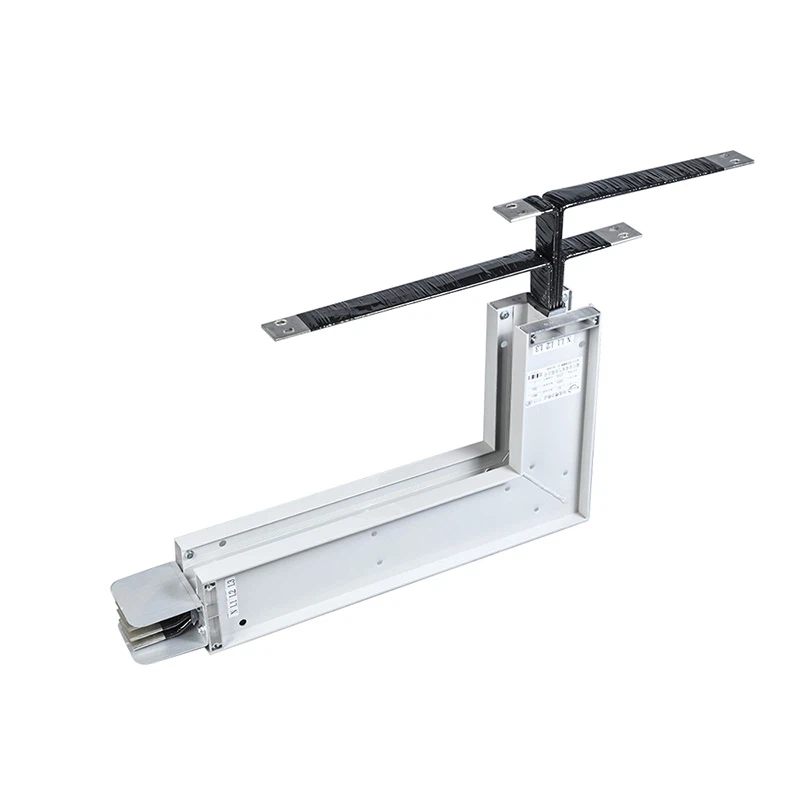

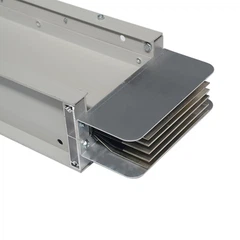
For example, a 3 Phase Busbar Trunking system is commonly used in industrial applications where three-phase power is required. This type of busbar configuration provides a more efficient and balanced distribution of electrical power compared to single-phase systems.
Enclosure and Protection
In many applications, high current busbars need to be enclosed in a protective housing to prevent accidental contact, reduce the risk of electrical shock, and protect the busbars from environmental factors such as dust, moisture, and corrosion. The enclosure should be made of a durable and fire-resistant material, such as steel or aluminum, and should be designed to meet the specific requirements of your project.
In addition to the enclosure, it's also important to consider the type of protection that is required for the busbars. This may include overcurrent protection, overvoltage protection, and short-circuit protection. These protective devices help to ensure the safety and reliability of the power distribution system.
Installation and Maintenance
The installation and maintenance of high current busbars can be complex and require specialized skills and equipment. Therefore, it's important to choose a busbar supplier that offers professional installation services and provides comprehensive maintenance support.
During the installation process, it's crucial to follow the manufacturer's instructions and guidelines to ensure that the busbars are installed correctly and safely. This includes proper grounding, insulation, and connection of the busbars.
Regular maintenance is also essential to ensure the long-term performance and reliability of the busbars. This may include visual inspections, cleaning, and testing of the busbars and their associated components.
Customization and Non-Standard Requirements
In some cases, your project may have specific requirements that cannot be met by standard busbar products. For example, you may need a busbar with a non-standard shape, size, or configuration. In such situations, it's important to choose a busbar supplier that offers customization services.
A reputable busbar supplier will have the expertise and capabilities to design and manufacture custom busbars to meet your specific requirements. This may include the use of Non-Standard Bus Duct Flange End or other specialized components.
Tap-Off Units and Accessories
In addition to the main busbars, you may also need to consider the use of tap-off units and other accessories. Tap-off units are used to connect electrical devices and equipment to the busbars at specific points along the length of the busbar system.
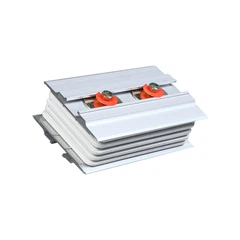
A Bus Duct Tap Off Unit allows for easy and flexible connection of electrical loads to the busbar system. It is important to choose tap-off units that are compatible with your busbar system and have the appropriate current and voltage ratings.
Cost Considerations
Cost is always a factor in any project, and choosing a high current busbar is no exception. While it's important to select a busbar that meets your technical requirements, it's also essential to consider the cost-effectiveness of the solution.
When comparing different busbar options, it's important to look beyond the initial purchase price and consider the total cost of ownership. This includes the cost of installation, maintenance, and energy consumption over the life of the busbar system.
Conclusion
Choosing the right high current busbar for your project requires careful consideration of several factors, including current rating, voltage rating, material selection, busbar configuration, enclosure and protection, installation and maintenance, customization requirements, tap-off units, and cost. As a high current busbar supplier, we have the expertise and experience to help you make an informed decision and provide you with the best busbar solution for your specific application.
If you're currently working on a project that requires a high current busbar or have any questions about the selection process, we encourage you to contact us. Our team of experts is ready to assist you with your busbar needs and provide you with a customized solution that meets your requirements. Let's work together to ensure the success of your project.
References
- Electrical Power Distribution Handbook, McGraw-Hill
- National Electrical Code (NEC), NFPA 70
- IEEE Standards for Power Systems and Equipment
Send Inquiry